
Alihuen: Restoring Chile’s Lost Forests
While Life Terra’s primary area of action is Europe, the Foundation also recognizes that climate change is a global challenge that requires collective action across borders. For this reason, Life Terra supported Alihuen's farm in the northern edge of Chilean Patagonia, Chiloé.
Alihuen farm is a project where ecological restoration goes hand in hand with community building, sustainable agriculture, and environmental education.
A Name Rooted in Nature
Alihuen means “Big Tree” in Mapudungun, the language of the Indigenous Mapuche people of Chile. The name reflects the project's deep commitment to restoring native ecosystems and reconnecting people with nature.
Founded by Jeroen Beuckels and Grecia, a Chilean artisan from Chiloé, Alihuen began with a simple but ambitious goal: to bring life back to exhausted farmland and help reconnect fragmented forest landscapes across the island. Today, the project serves as a living example of how long-term dedication can restore biodiversity while strengthening local communities.
Bringing Back the Forest
For decades, large areas of Chiloé's native forest were cleared or fragmented, reducing habitat for wildlife and weakening ecological connectivity across the region. Alihuen is helping reverse this trend.
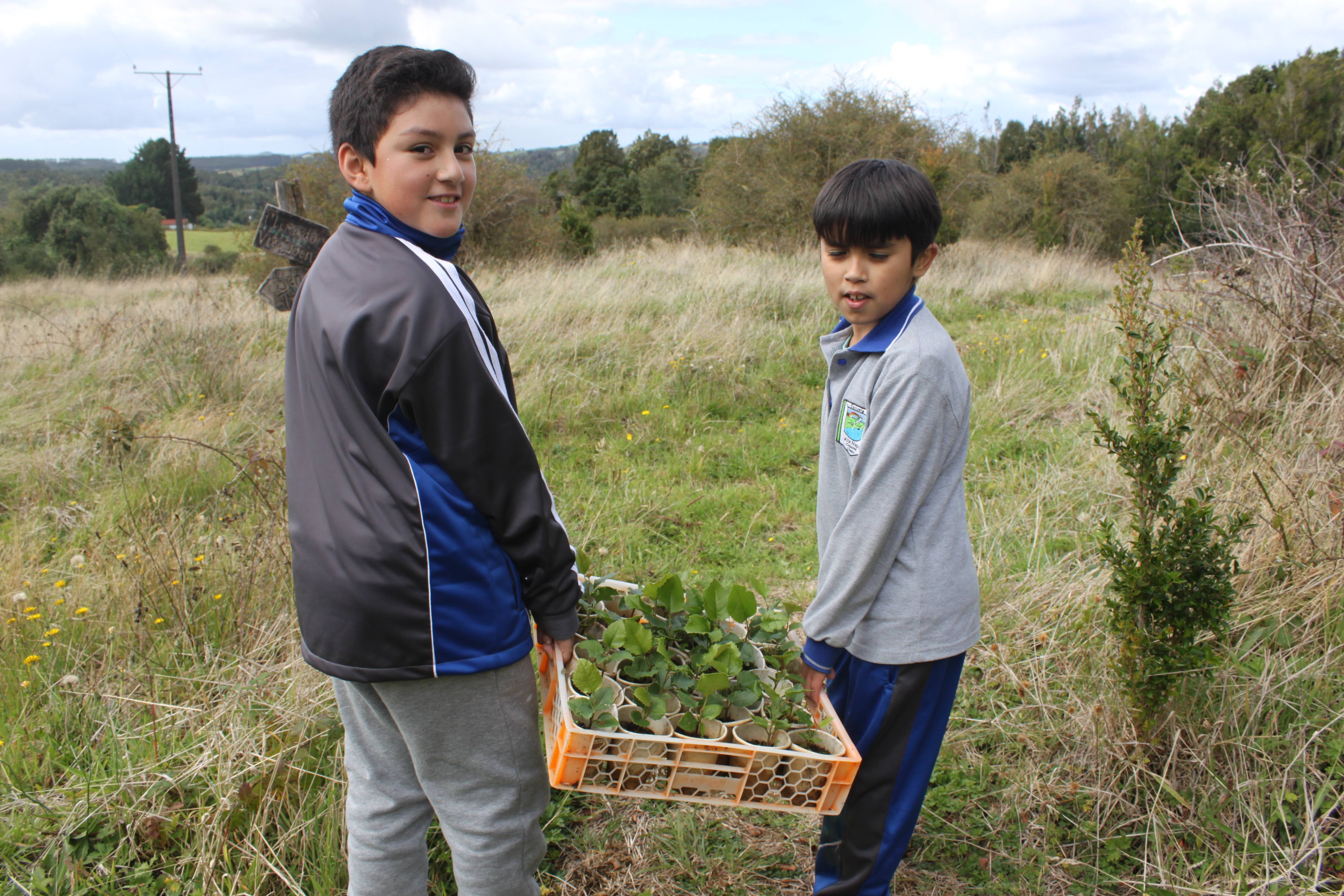
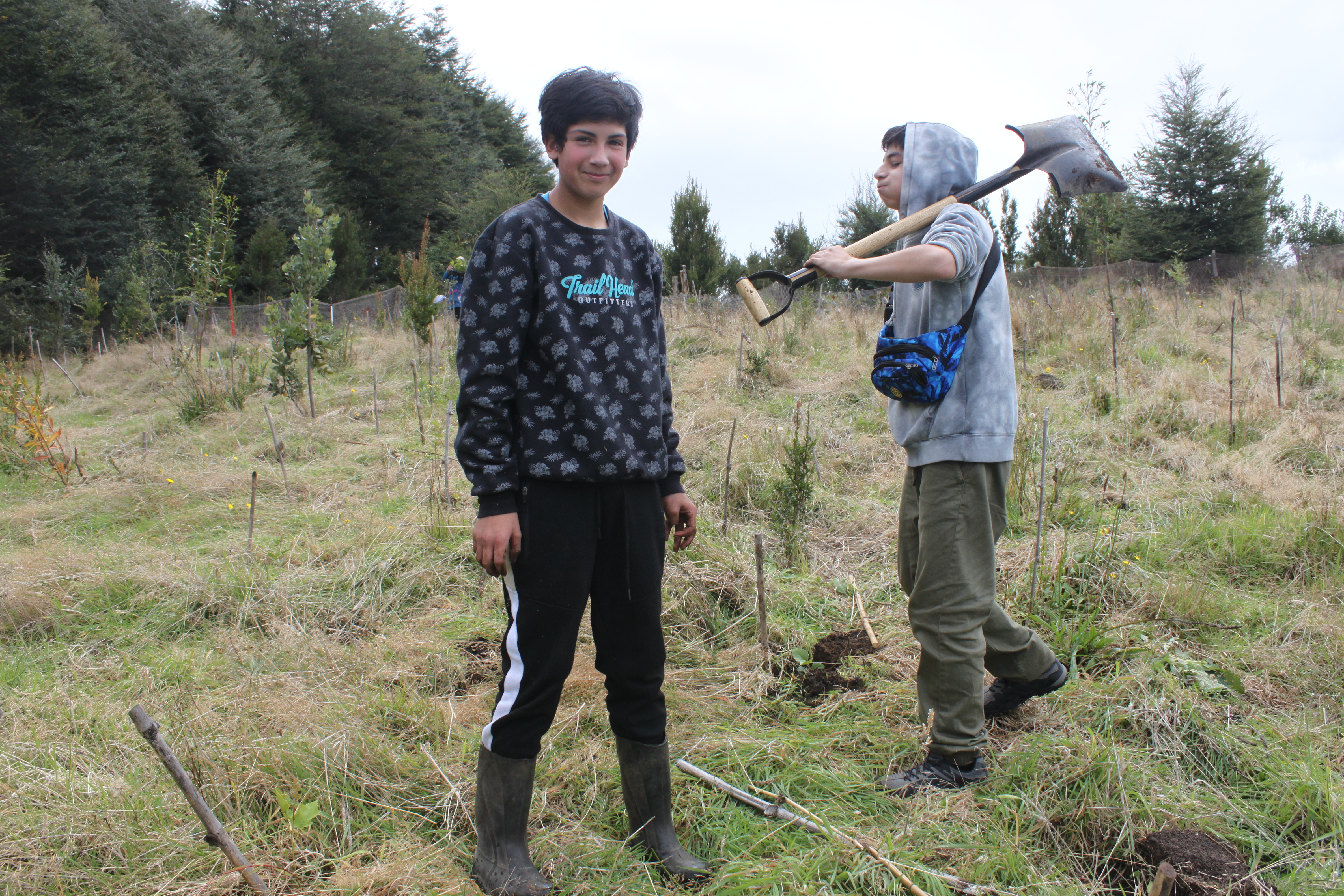
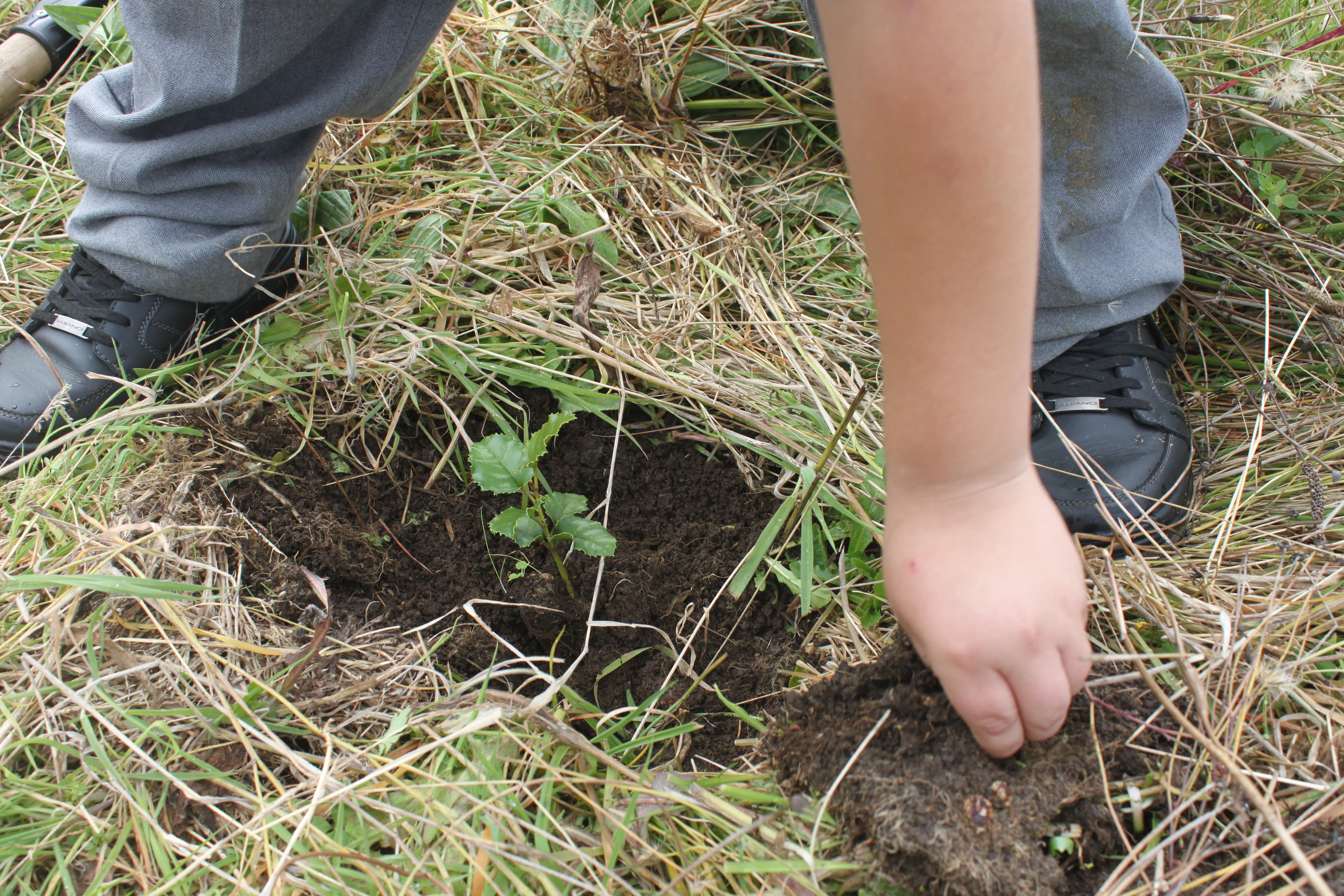
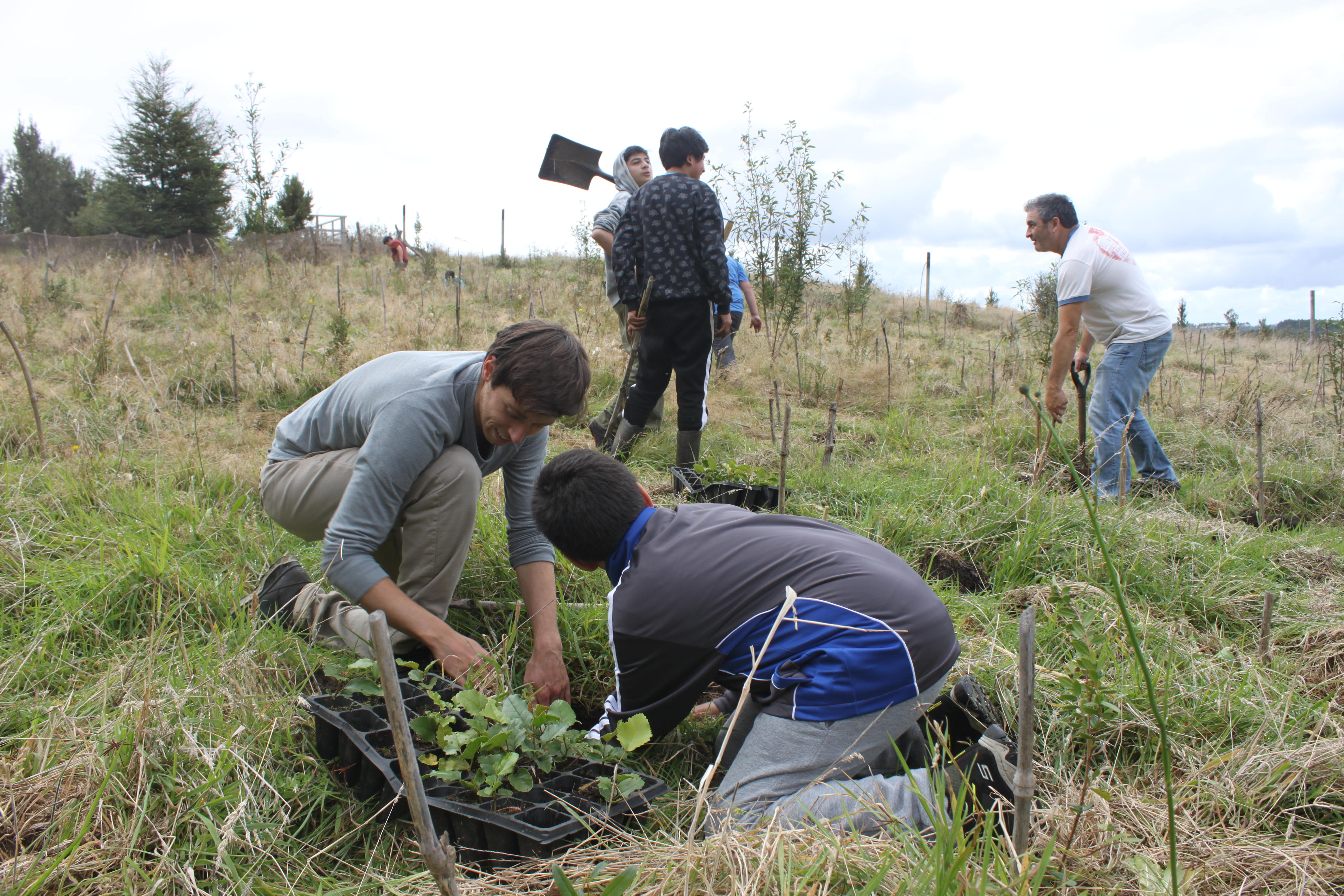
Using permaculture principles and ecological restoration practices, the project has planted tens of thousands of native trees, gradually transforming former grazing land into a growing forest. The long-term vision is to reconnect isolated forest patches in northern Chiloé with larger protected areas, including the forests surrounding the Chepu River and Chiloé National Park.
The impact is already becoming visible. Native wildlife is returning, including the pudú—one of the world's smallest deer—and bird species that depend on connected forest habitats. Every tree planted helps create corridors that allow wildlife to move, feed, and reproduce across the landscape.
More Than Tree Planting
What makes Alihuen particularly inspiring is its holistic approach. Restoration is only one part of the story.
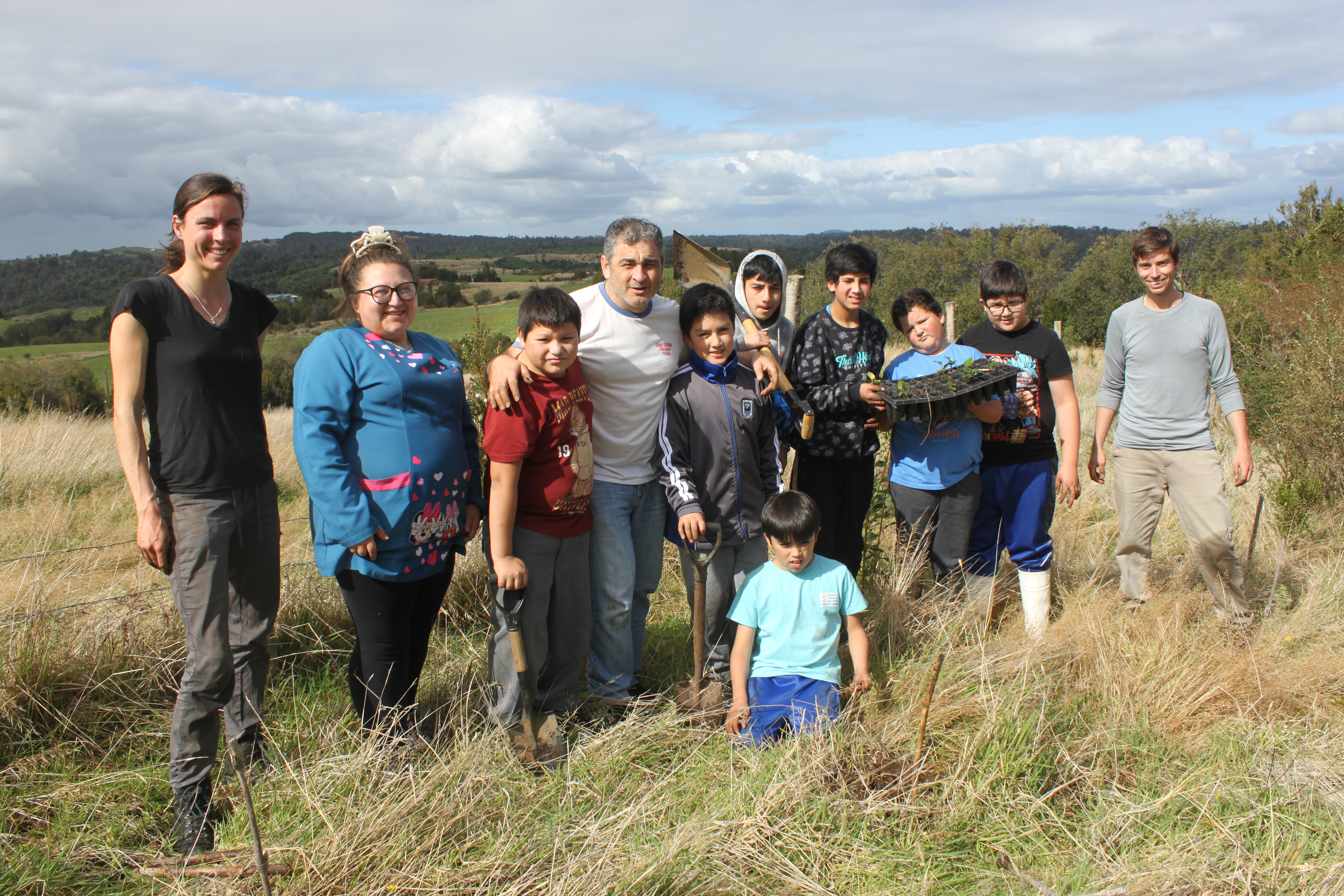
The project combines organic agriculture, environmental education, ecotourism, and cultural exchange. Volunteers from around the world contribute to planting, farming, and conservation activities while learning about sustainable land management and local culture. Over the years, a diverse international community has formed around the project, united by a shared passion for nature and sustainability.
Alihuen also demonstrates how environmental projects can be inclusive. Its accessibility trail allows visitors of different ages and abilities to experience the beauty of Chiloé's forests, helping ensure that nature remains accessible to everyone.
A Model for Climate Action
The story of Alihuen reminds us that restoring ecosystems is about much more than planting trees. It is about rebuilding connections: between forests, wildlife, communities, and future generations.
By combining restoration, conservation, education, and community engagement, Alihuen shows how local action can create lasting environmental impact. At Life Terra, we believe that climate action succeeds when people become active participants in restoring nature. Projects like Alihuen demonstrate the transformative power of collective action.