
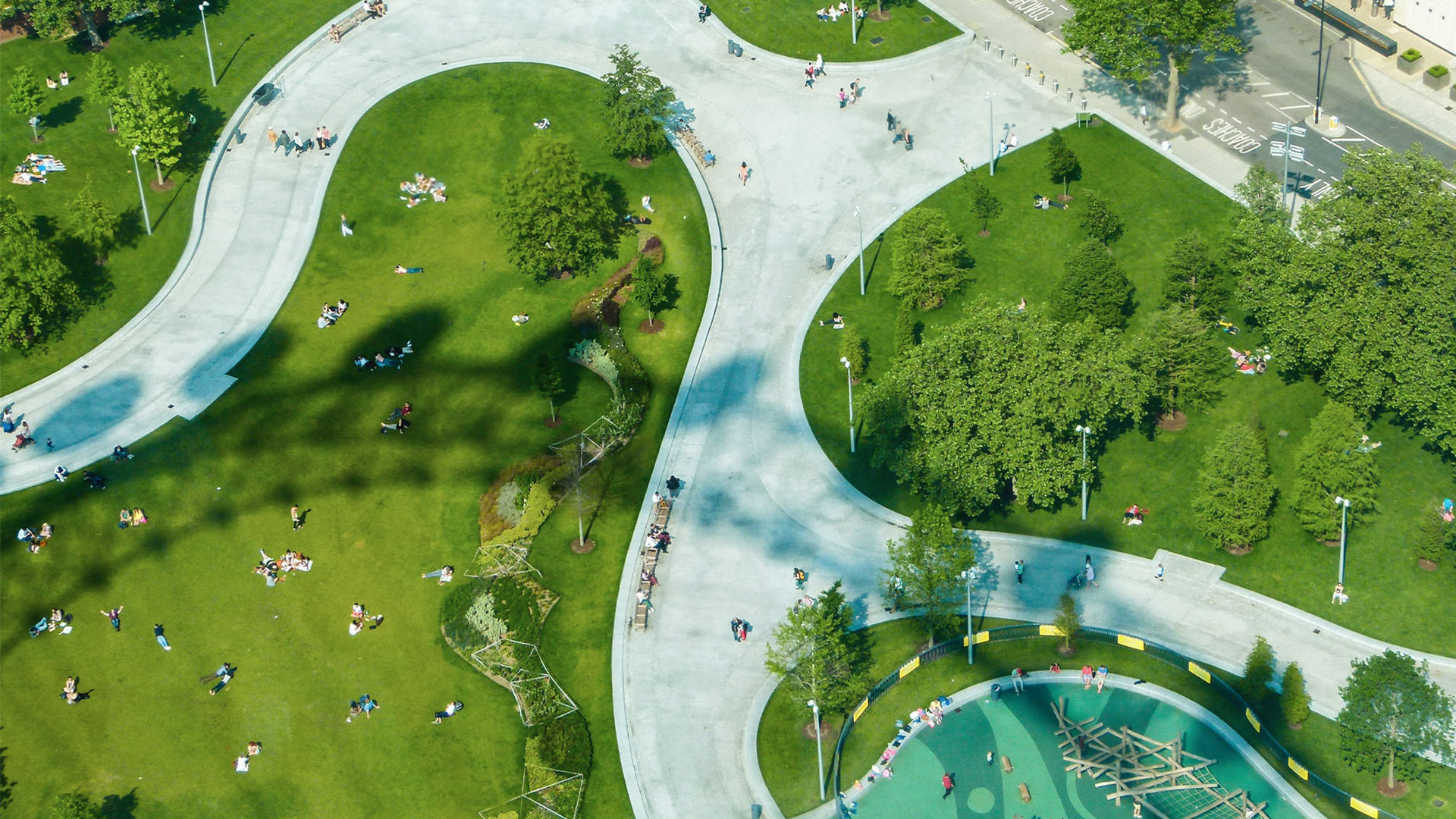
Concrete to soil: The transformation cities are waiting for
Cities are heating up faster than the planet as a whole. The urban heat island effect means city centres can run 5–7°C hotter than surrounding areas, a gap driven almost entirely by the replacement of soil and vegetation with asphalt, concrete, and glass. The consequences aren't abstract: excess mortality during heatwaves, degraded air quality, accelerated stormwater runoff, declining biodiversity, and populations, particularly elderly residents and children, pushed to the margins of livability.
Trees are the most cost-effective infrastructure response we have. A single mature urban tree intercepts hundreds of litres of rainwater per year, reduces ambient temperature in its immediate radius by up to 8°C, sequesters CO₂, filters particulate matter, and reduces energy consumption in nearby buildings by providing shade and windbreaks. That's not a nature argument. That's an engineering argument.
The cities already doing it
The gap between knowing this and acting on it is where most municipalities get stuck. But a growing number of cities have moved past hesitation.
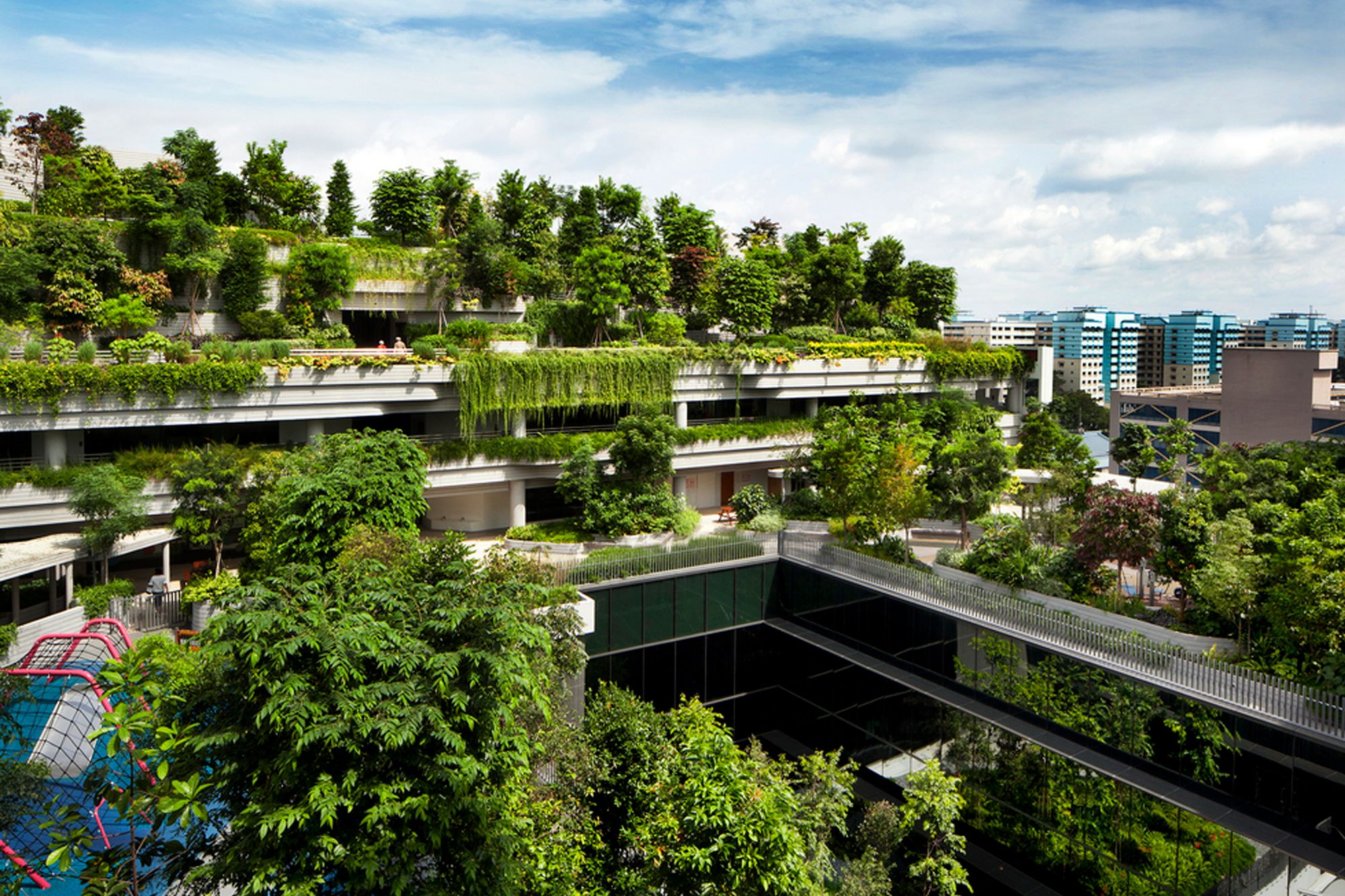
Singapore has made urban greenery a legal and infrastructural requirement, not an amenity. Its City in a Garden strategy mandates green roofs, vertical gardens, and preserved tree corridors as part of any new development approval. Green coverage has increased even as the city's built footprint expanded.
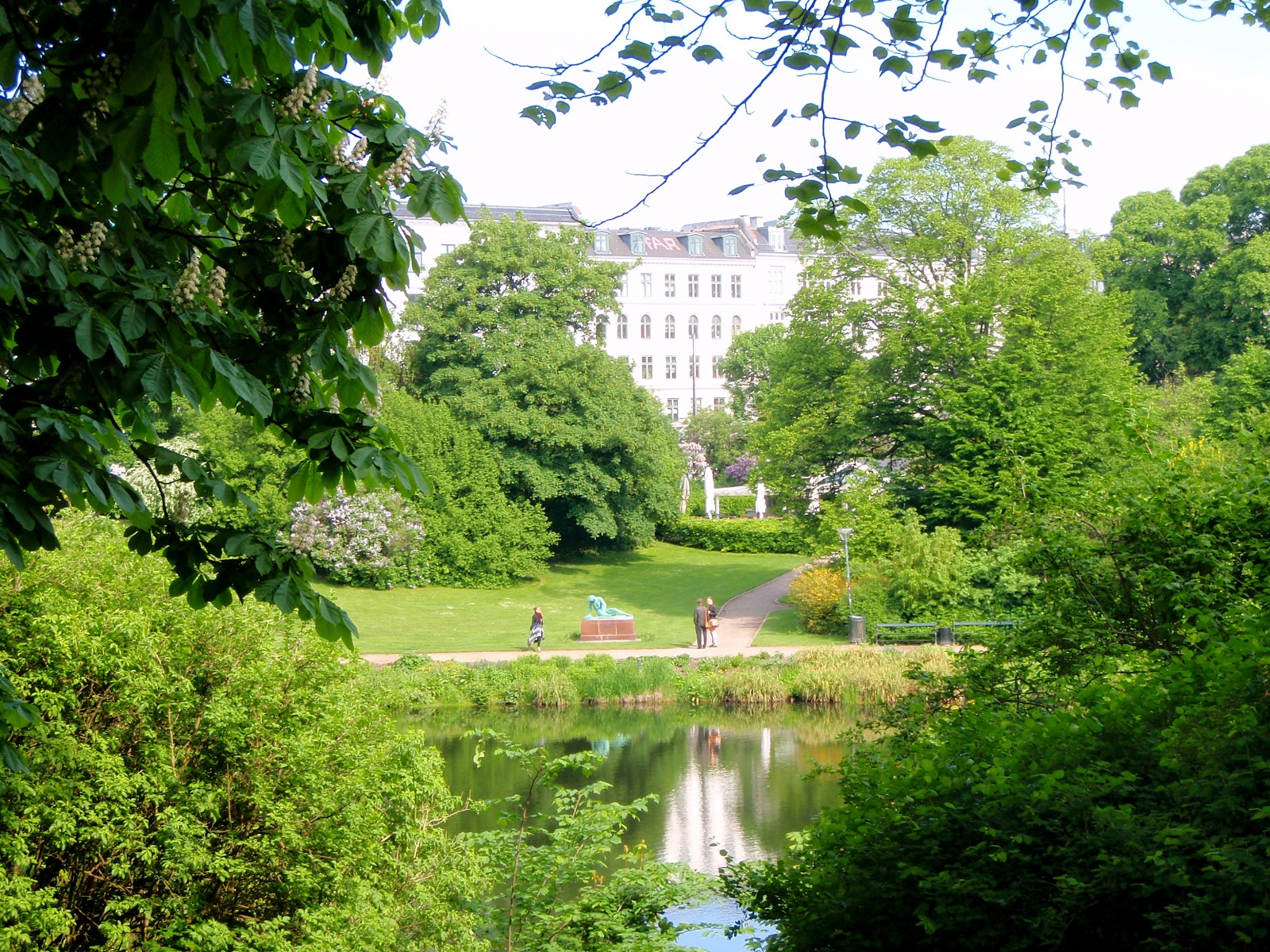
Copenhagen integrates tree planting with its broader climate adaptation plan, particularly in districts most exposed to flooding and heat stress. Green corridors are mapped against urban vulnerability data, trees go where they're needed most, not where they're easiest to plant.
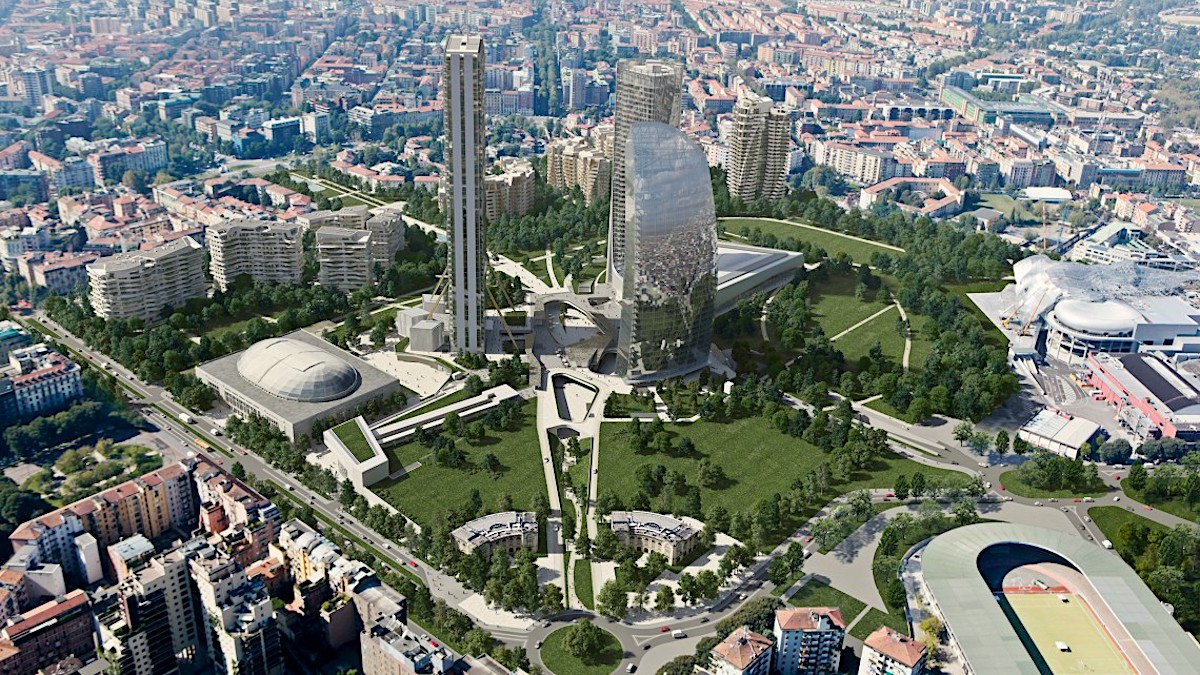
Milan launched its ForestaMi initiative with a target of 3 million trees planted across the metropolitan area by 2030, involving public institutions, private companies, schools, and citizens. The approach combines large-scale afforestation on urban peripheries with street-level greening in the densest neighbourhoods.
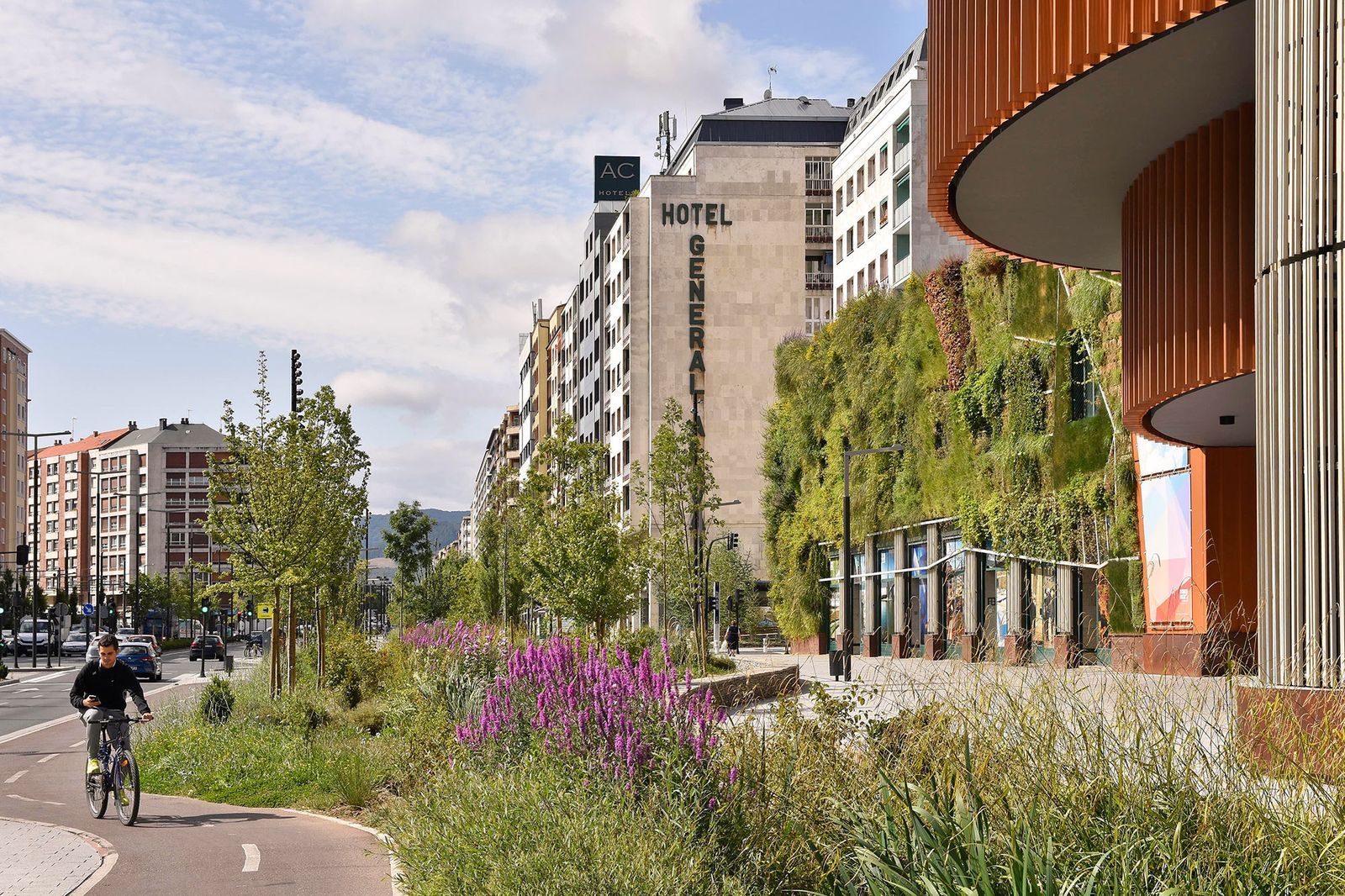
Vitoria-Gasteiz, in the Basque Country, built a Green Belt, a ring of parks, wetlands, and urban forests encircling the city, and used it as the backbone of its mobility and air quality strategy. The result is one of the most livable mid-sized cities in Europe, with measurable improvements in resident health outcomes.
None of these are isolated experiments. They're policy decisions backed by climate data, urban planning tools, and long-term institutional commitment.
What the science requires
The IPCC is unambiguous: halting and reversing land degradation, including in urban areas, is one of the few near-term levers that can meaningfully contribute to keeping warming within manageable bounds. Urban forests don't replace the need to cut emissions, but they are a necessary component of the adaptation and sequestration picture. Every hectare of urban canopy lost to development or disease is a deficit that compounds.
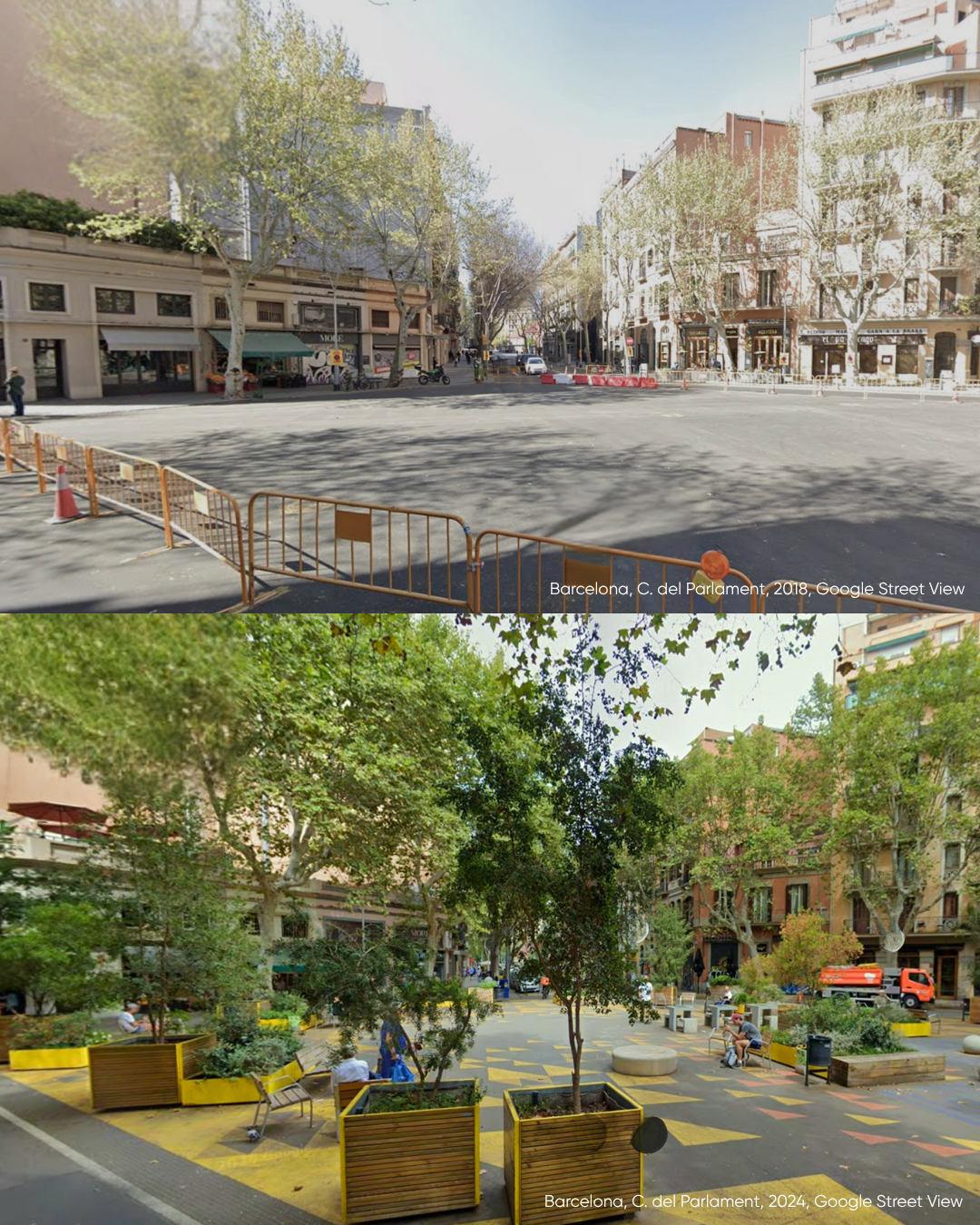
Barcelona's Superblocks model, recovering street space from cars and returning it to pedestrians, vegetation, and permeable surfaces, is one of the most replicated urban greening frameworks in the world right now, precisely because it addresses heat, air quality, and social infrastructure simultaneously.
A call to those who can move first
If you represent a municipality, a city authority, or a company with land, logistics, or procurement capacity, the models exist. The data exists. The funding mechanisms (EU LIFE programme, national climate adaptation funds, private ESG commitments) exist.
What moves the needle now is execution at scale. That means partnerships with organisations working on the ground, species selection matched to local ecology and climate projections, long-term maintenance plans, and genuine community involvement.
At Life Terra, we work with municipalities, institutions, and companies across Europe to plan, plant, and monitor urban and peri-urban forests that last. If you're ready to move from intention to action, let's catch up. 🌳 contact@lifeterra.eu