Insights from a Monitoring Visit to the Marienwaerdt Planting Site
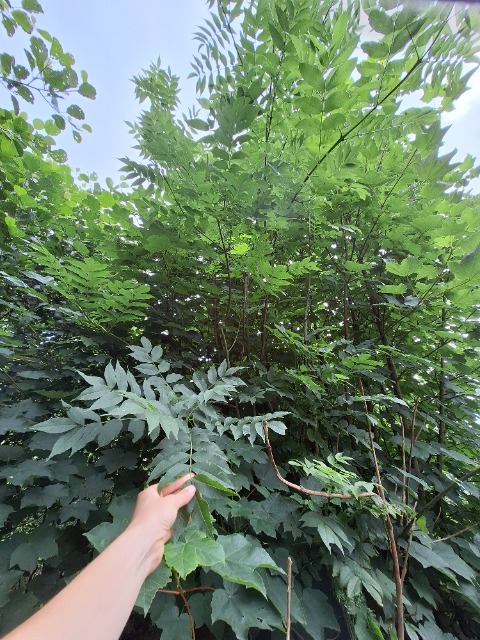
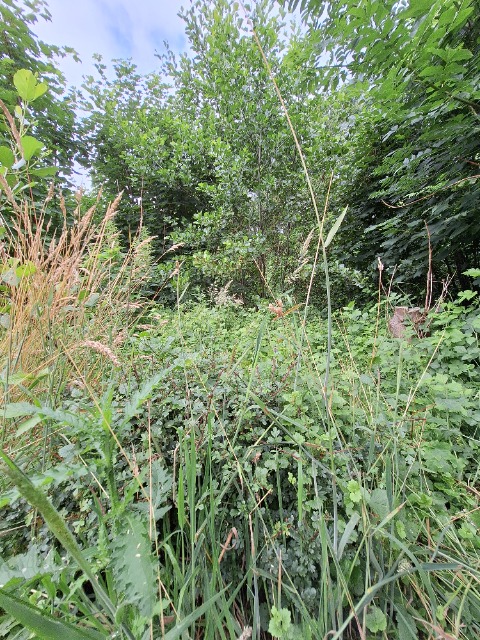
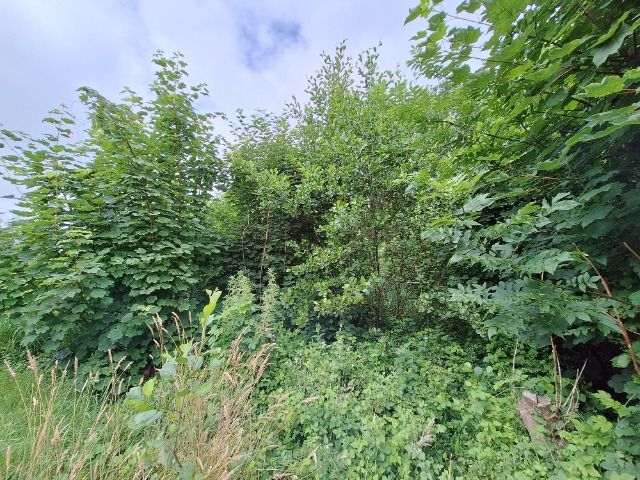
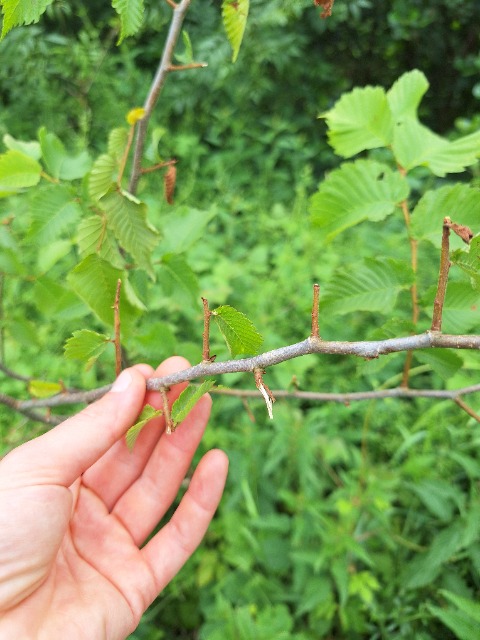
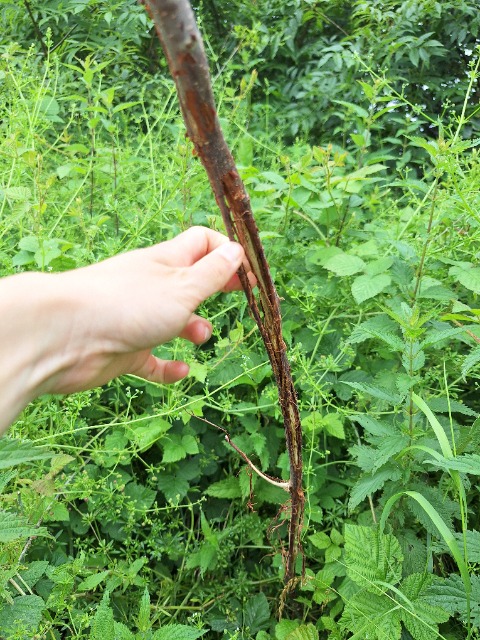
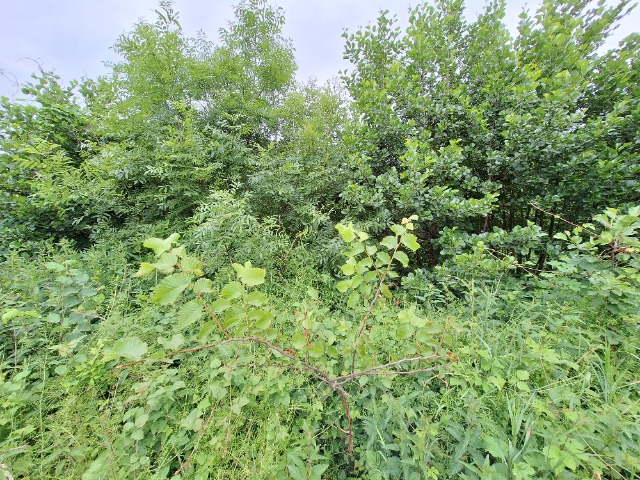
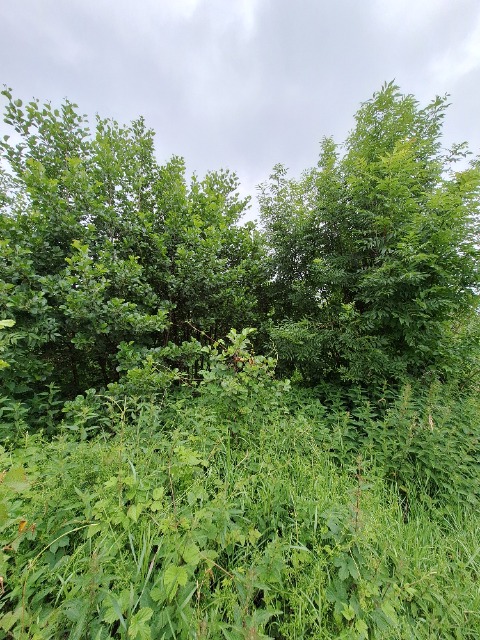
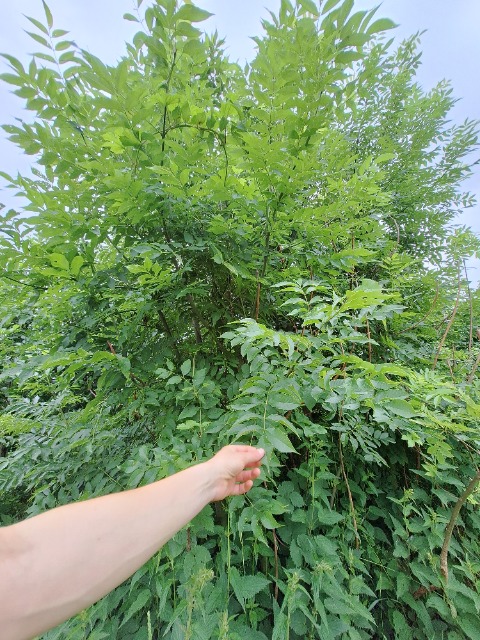
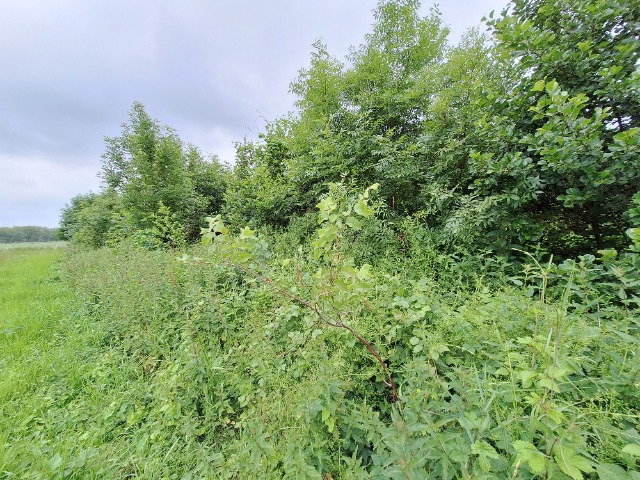
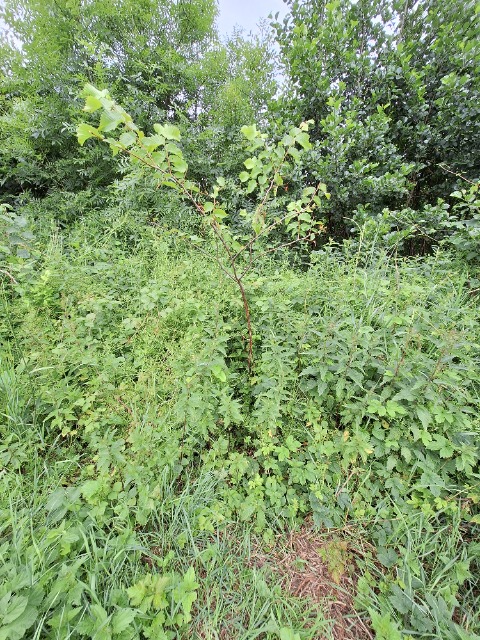
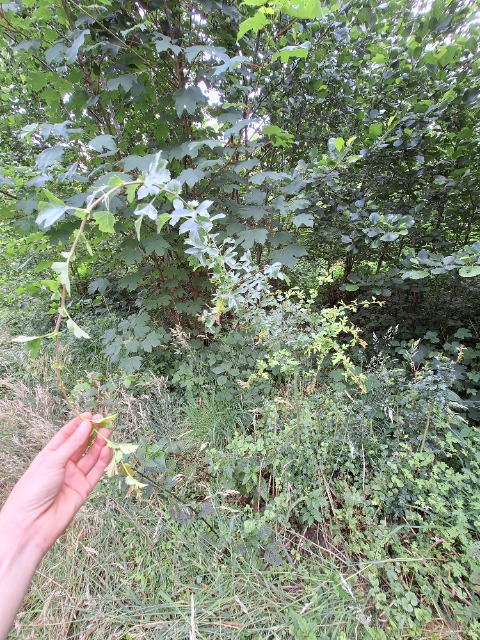
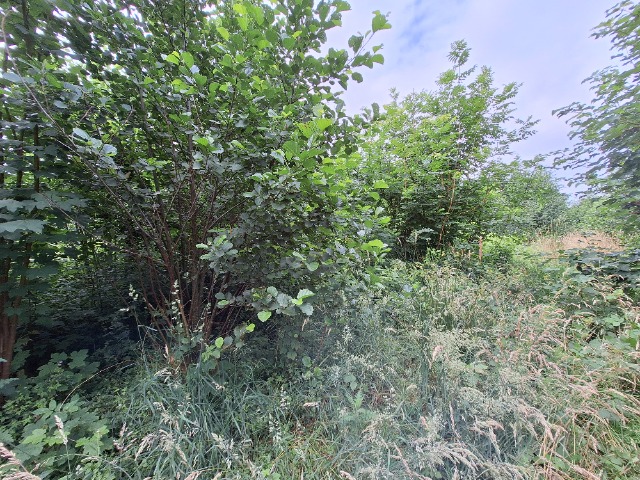
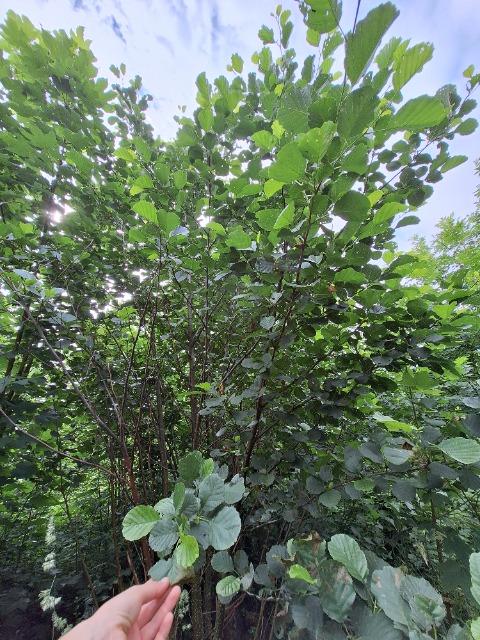
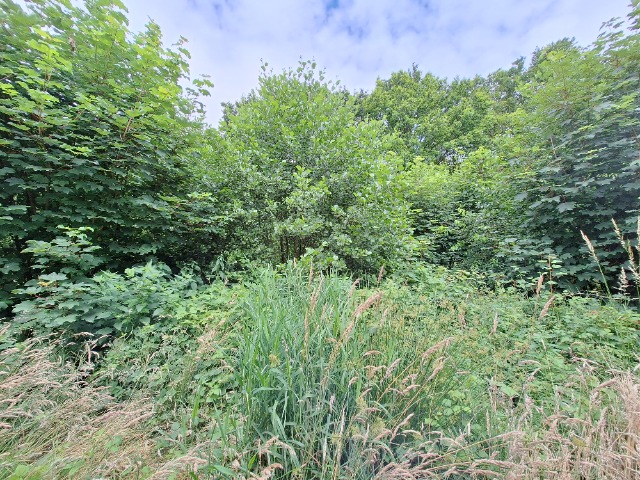
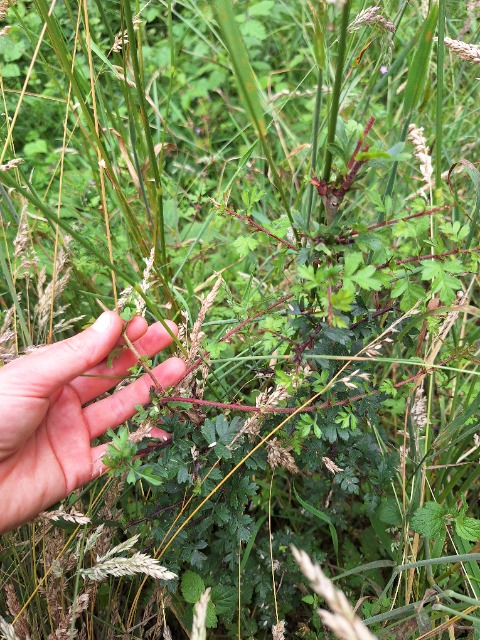
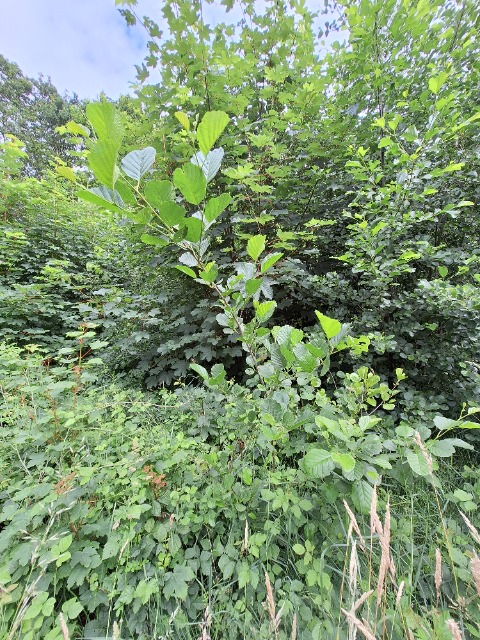
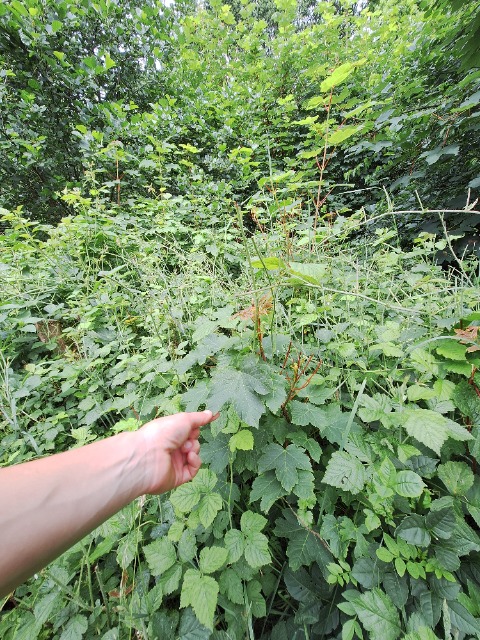
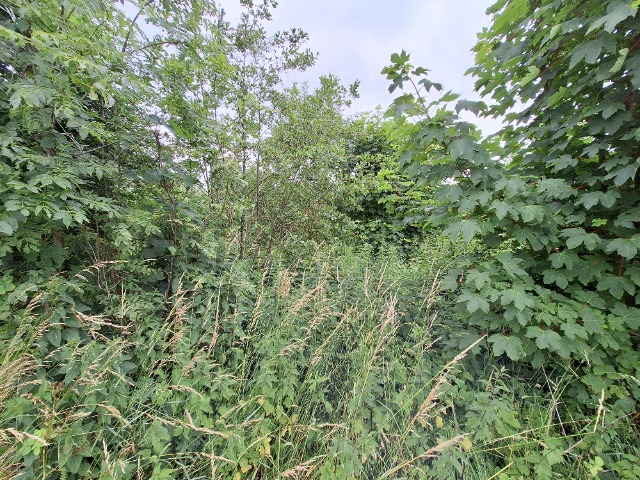
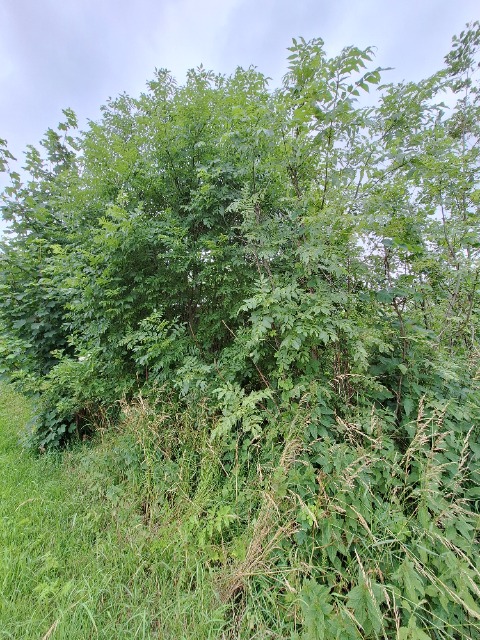
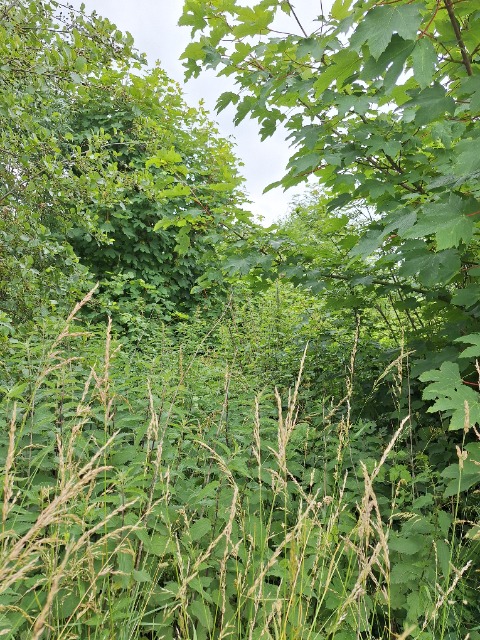
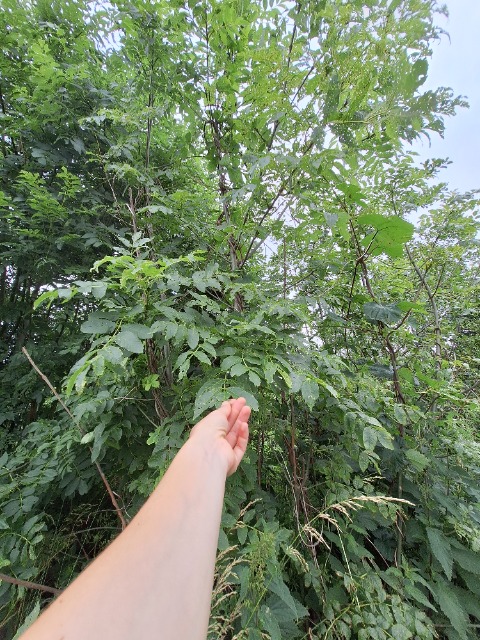
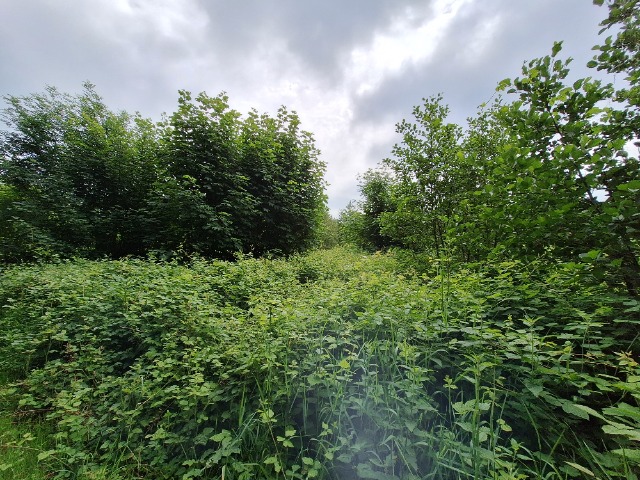
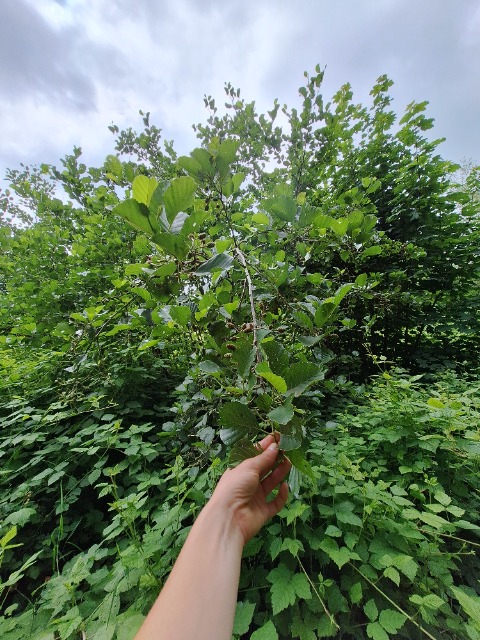
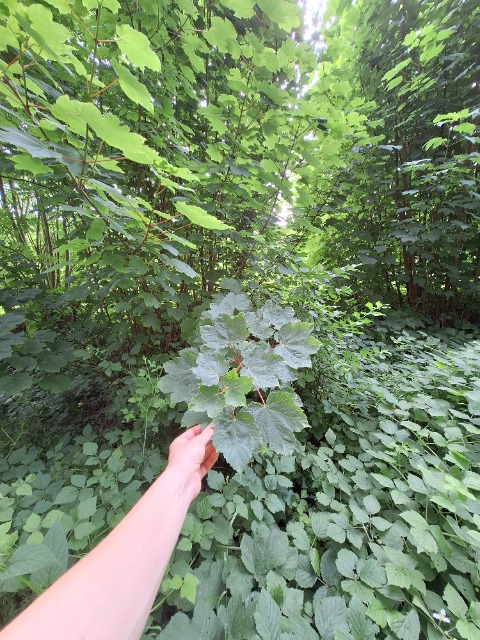
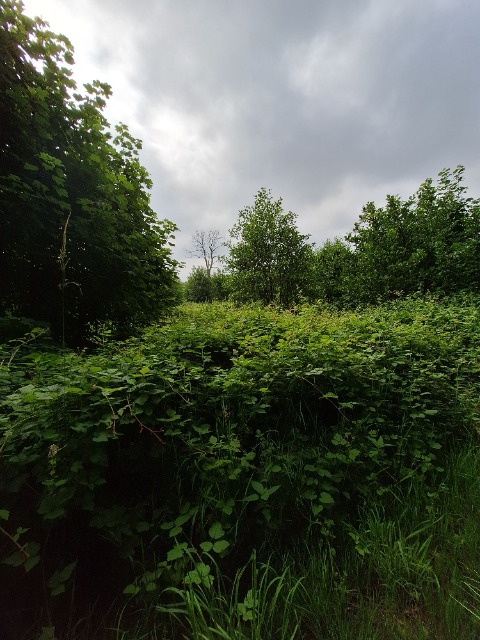
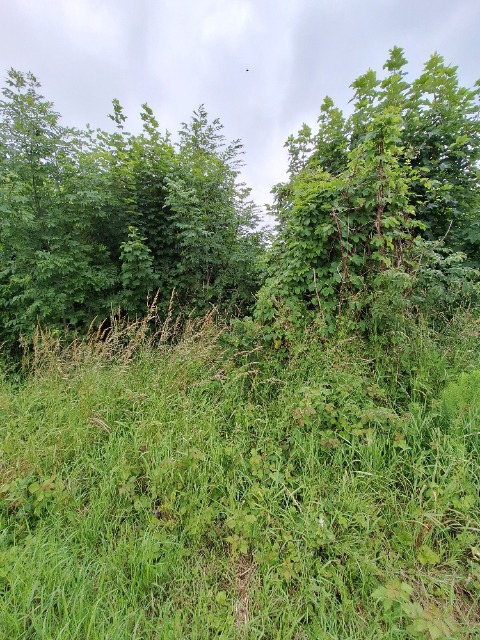
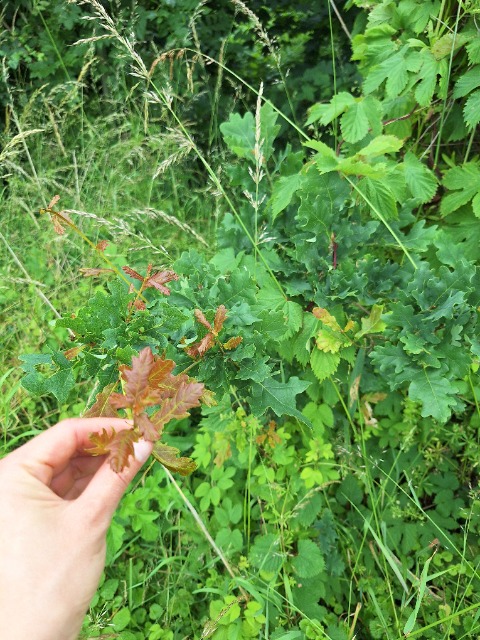
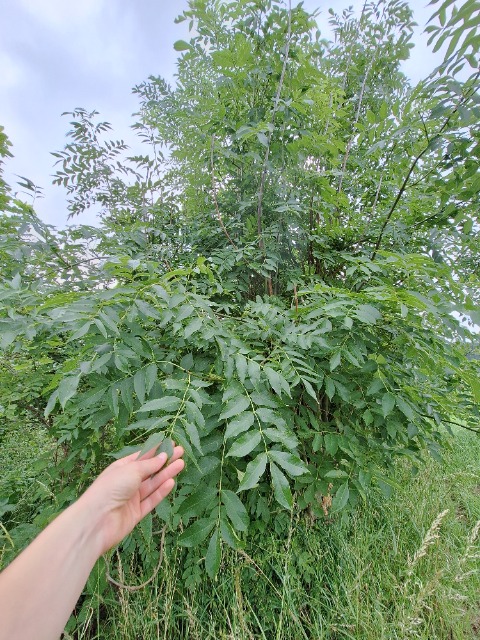
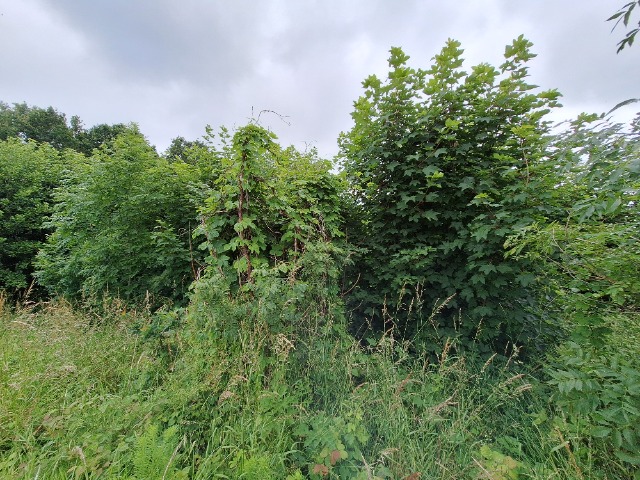
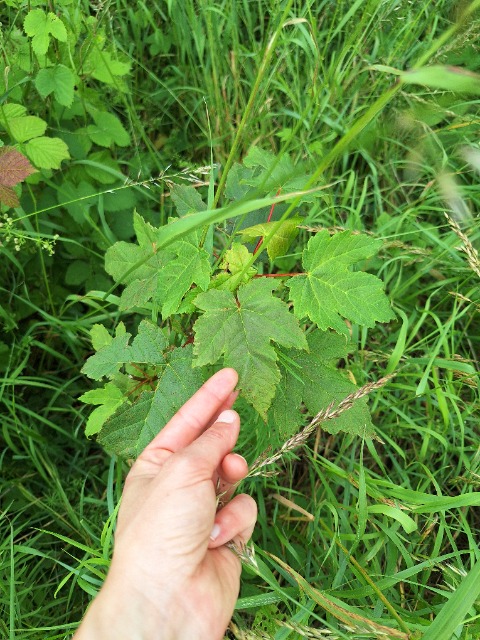
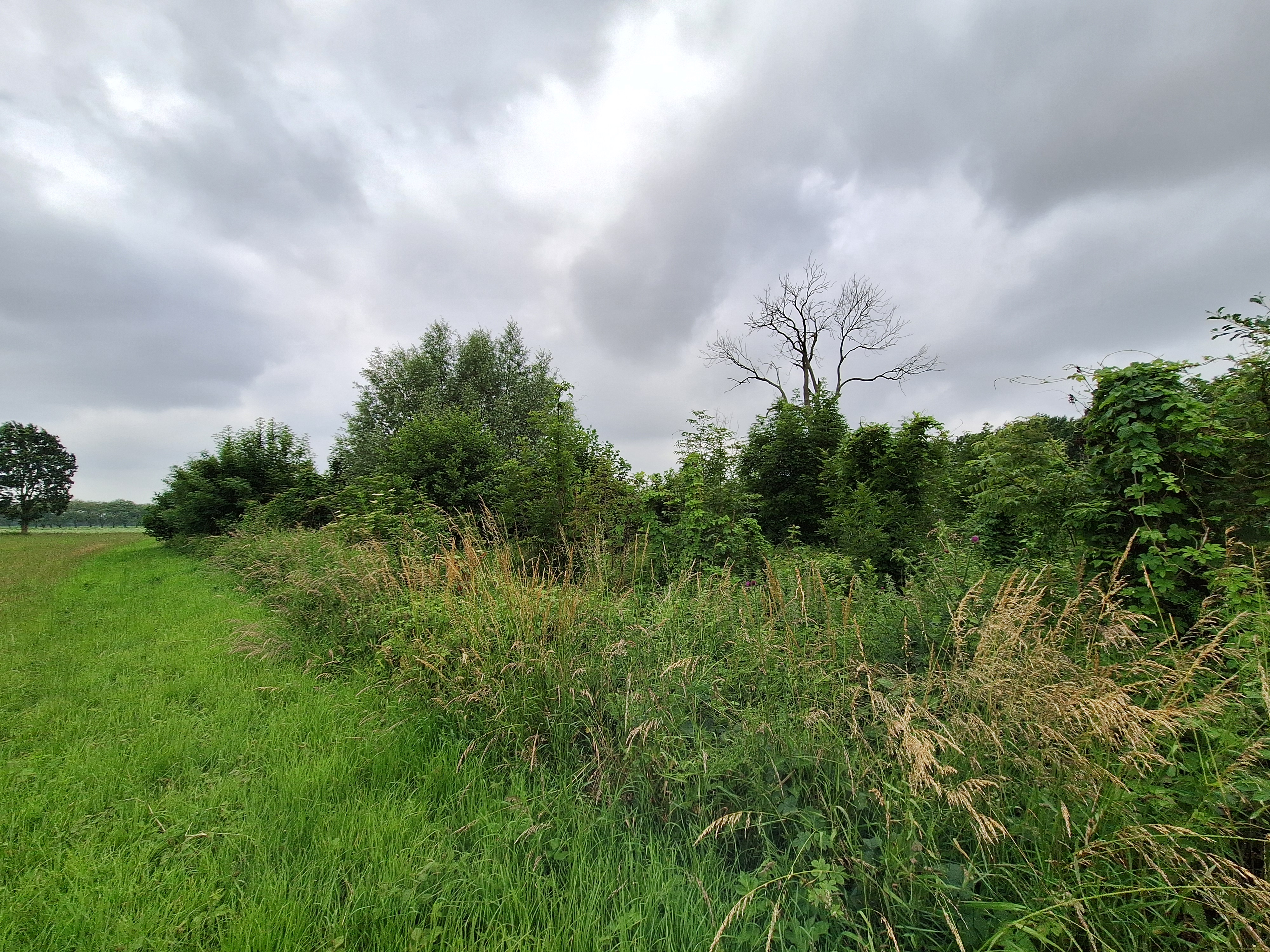
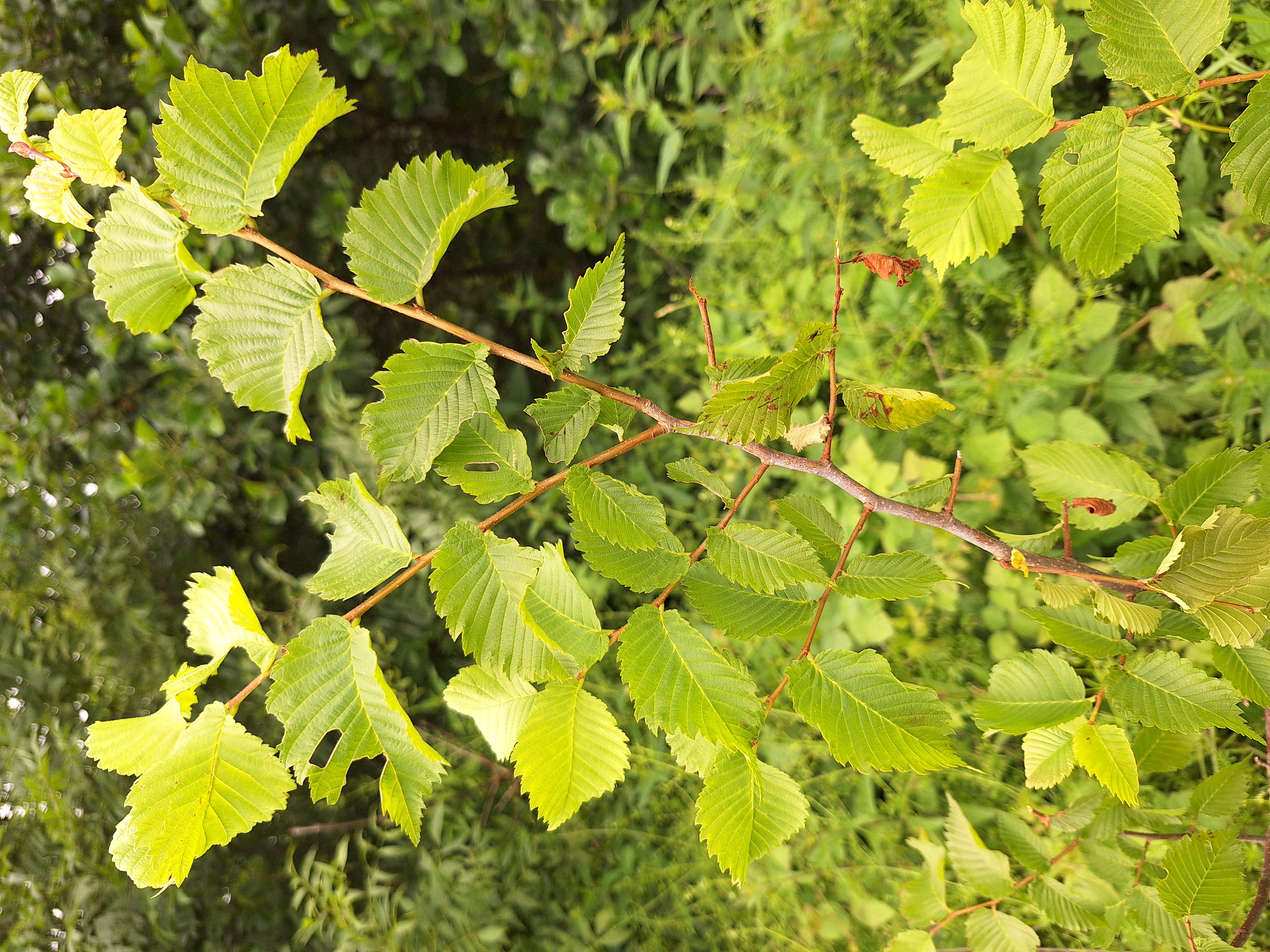
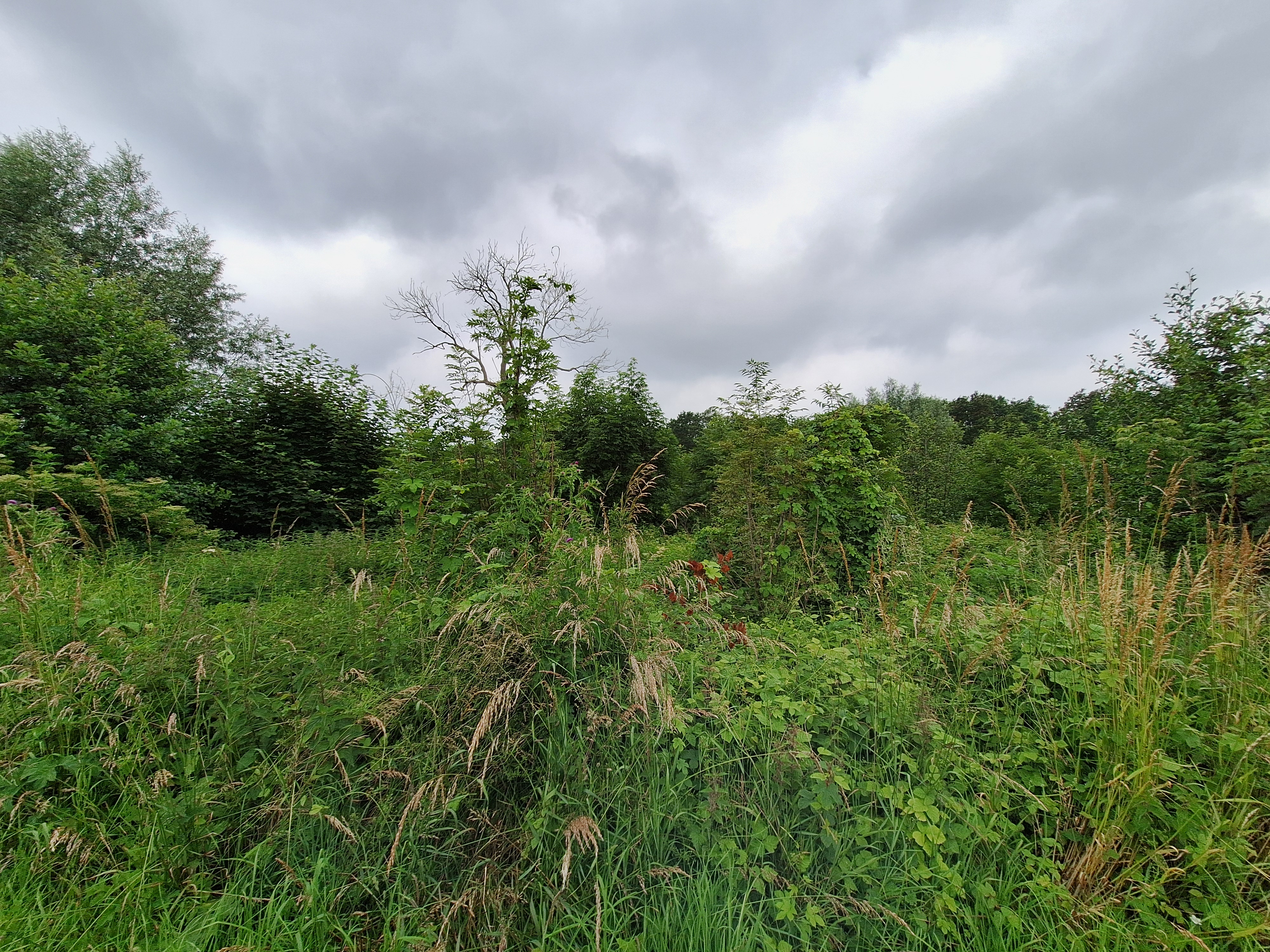
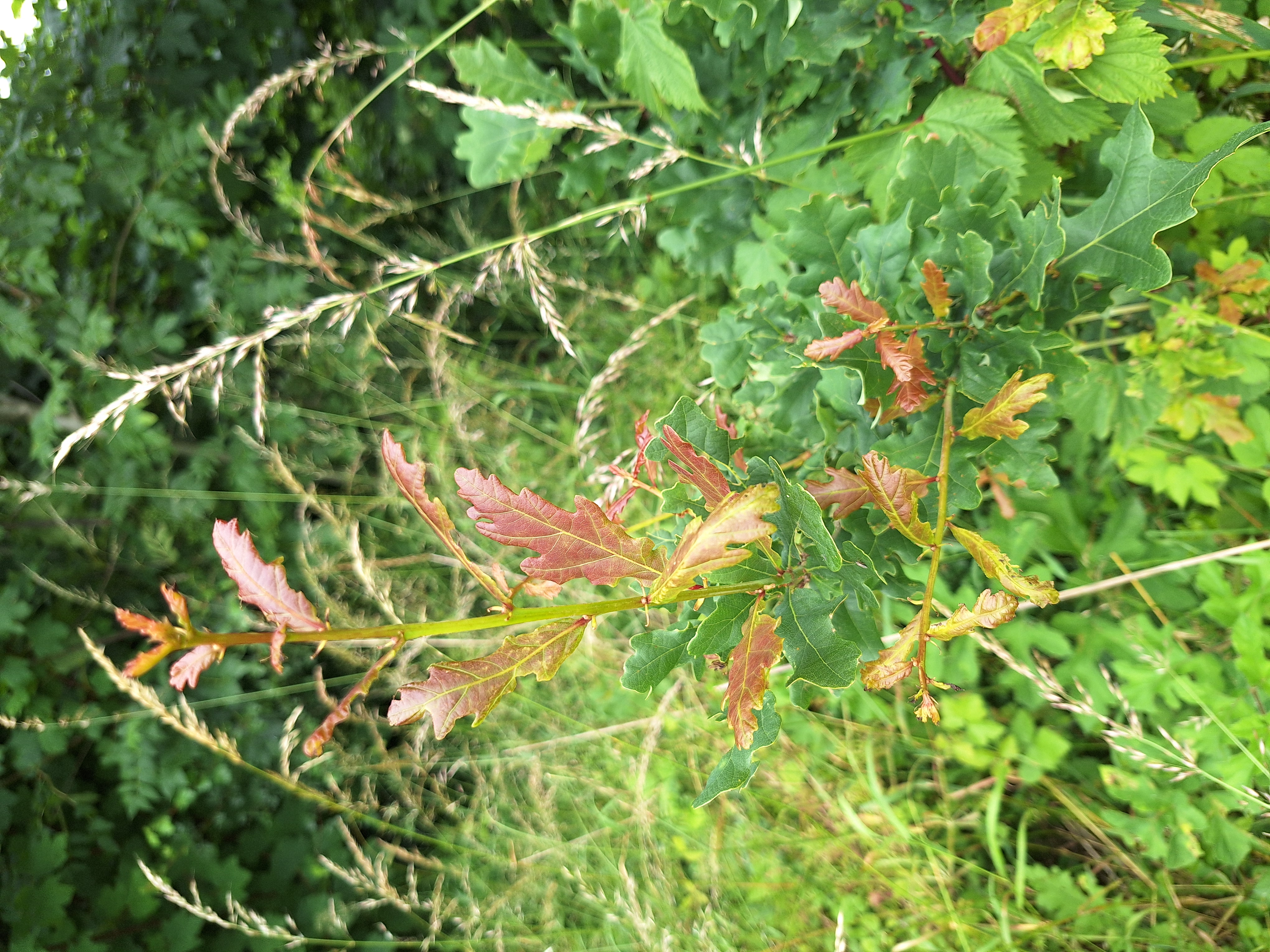
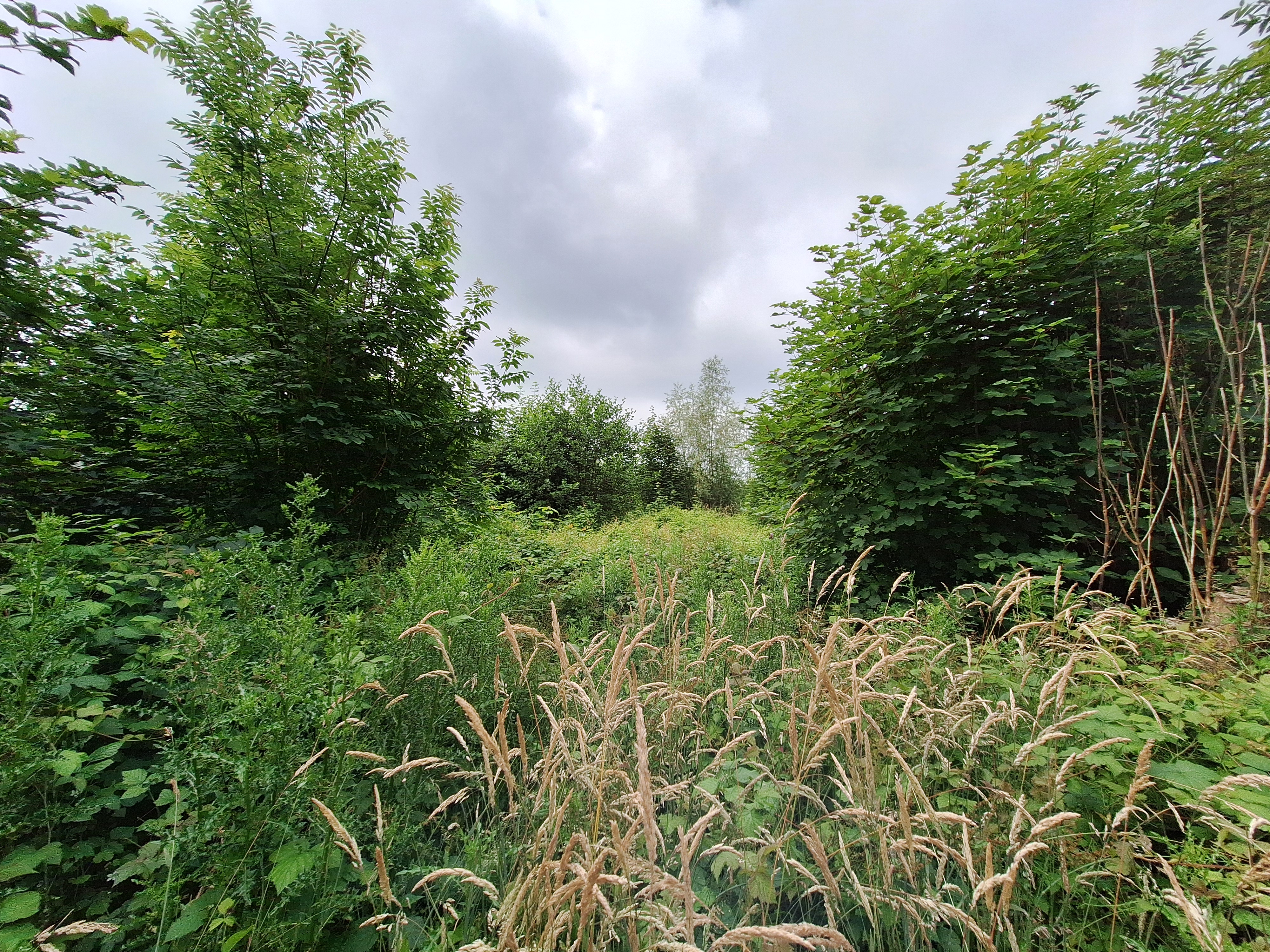
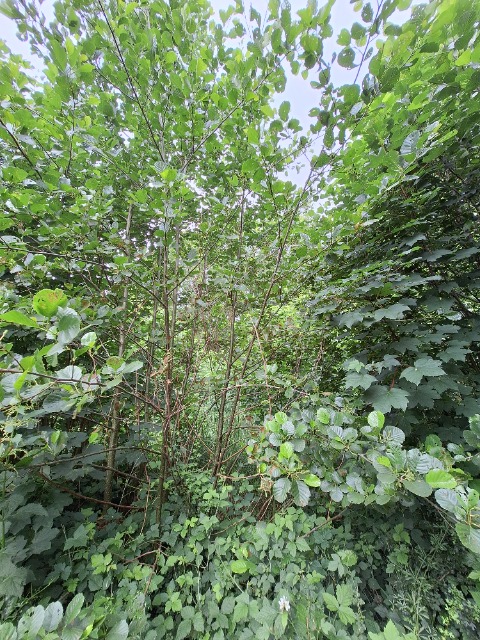
A recent monitoring visit was conducted at the Marienwaerdt planting site in Beesd, Netherlands, on June 16, 2026. The observations indicated that the vast majority of the young trees are establishing well, creating a good vertical and horizontal structure of a forest with tall trees. The site showcased a diverse mix of planted species, including Ulmus laevis, Fraxinus ornus, Alnus glutinosa, and Crataegus monogyna, Acer psuedoplatanus, Sambucus nigra, Salix alba and Quercus robur. Alongside these, significant natural regeneration was noted, with young Acer pseudoplatanus, Sambucus nigra, Alnus glutinosa, and even a Quercus robur emerging. Instances of deer browsing were observed on the bark and leaves of Ulmus laevis, with animal tracks visible nearby. Additionally, areas at the edge of the site presented a prevalence of bramble and high grasses. The forest is gradually progressing towards an intermediate stage of succession, with increasing structural diversity and species establishment. Overall, the site exhibited strong natural regeneration and the characteristics of a healthy, diverse and developing forest ecosystem.