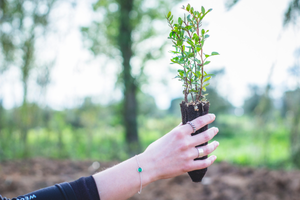
Monitoring our planting sites is essential to provide transparency and assess the success of our restoration projects. It is also an important measure for landowners to gain visibility on the planting state and provide proper long-term maintenance.
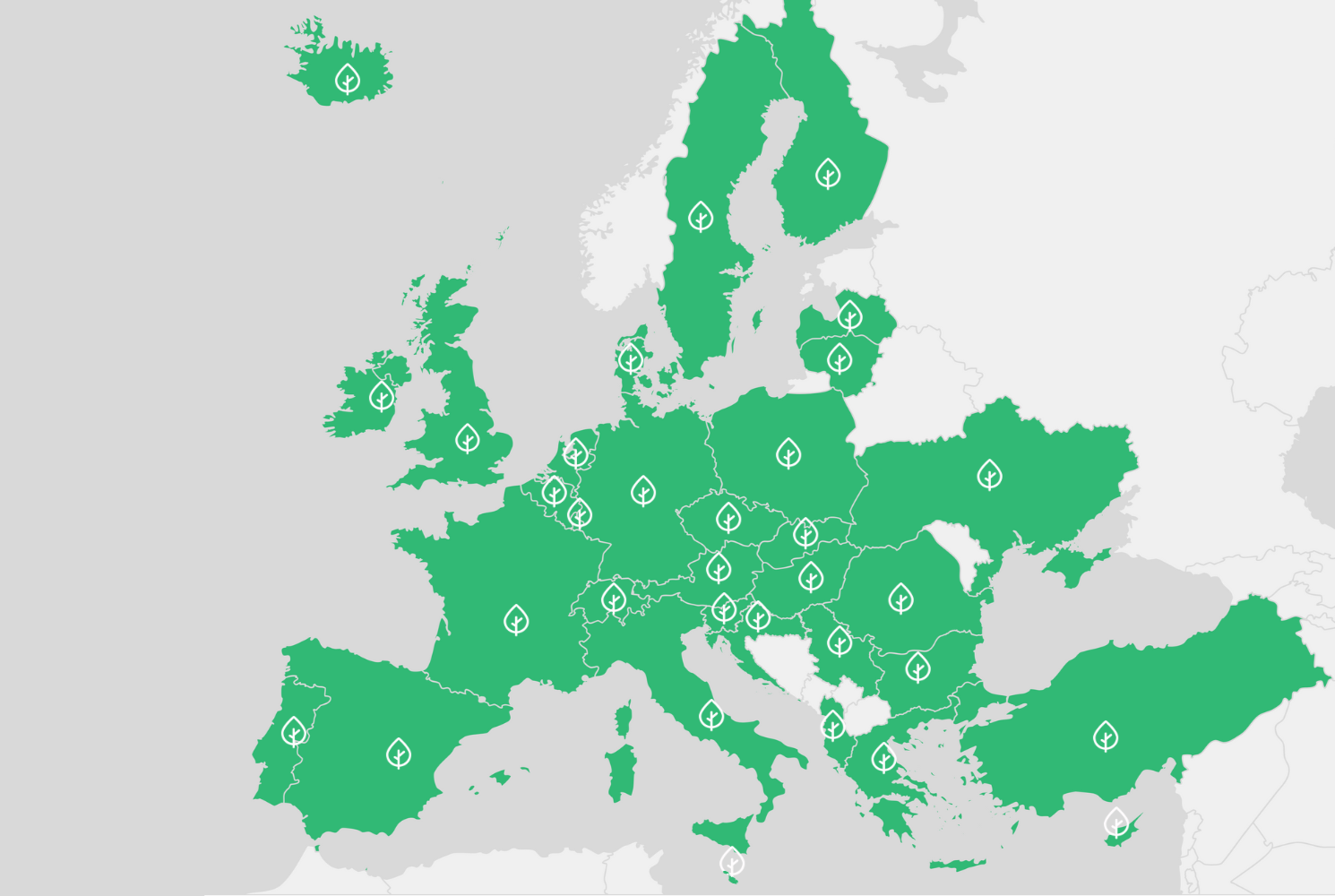
During the 2020-2025 period, Life Terra planted +1.5 million trees, representing approximately 4,900 hectares of land. Tree planting activities were carried out in 32 countries in Europe, and distributed in +1,100 plots. This vast distribution makes monitoring activities a challenge due to the amount of resources that would represent to analyse each plot individually.
Life Terra’s monitoring process
To overcome this challenge, we focused on monitoring the most representative plots in each country, covering the majority of restored areas and ensuring robust and comparable results.
For this, we use different monitoring approaches, based on our monitoring tool, representative samplings, field visits by experts and GPS-based tools. Data collection focused on survival rates, growth parameters, planting density, and site characteristics, complemented by georeferenced information, photographs, and survey forms.
This information is then stored and analysed to take corrective actions if necessary. The data is also publicly available on our website for each specific plot.
Monitoring by experts
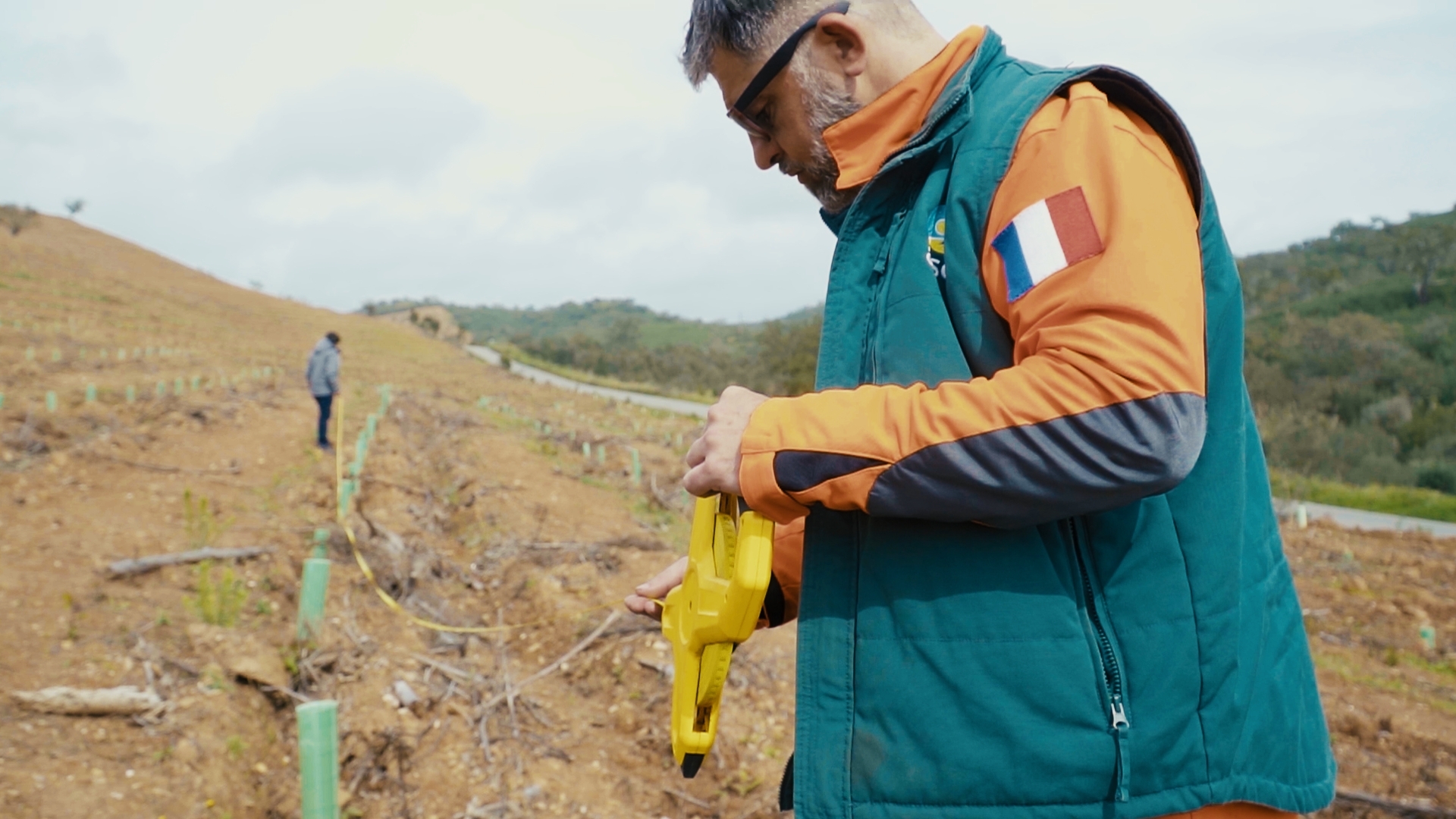
Specialists from the consortium carried out expert visits to selected sites. During these visits, they used advanced tools and methods to closely examine tree survival, growth, and local environmental conditions.
These expert assessments complement data collected by our monitoring tool, adding scientific depth and helping to validate the overall results.
A collective effort
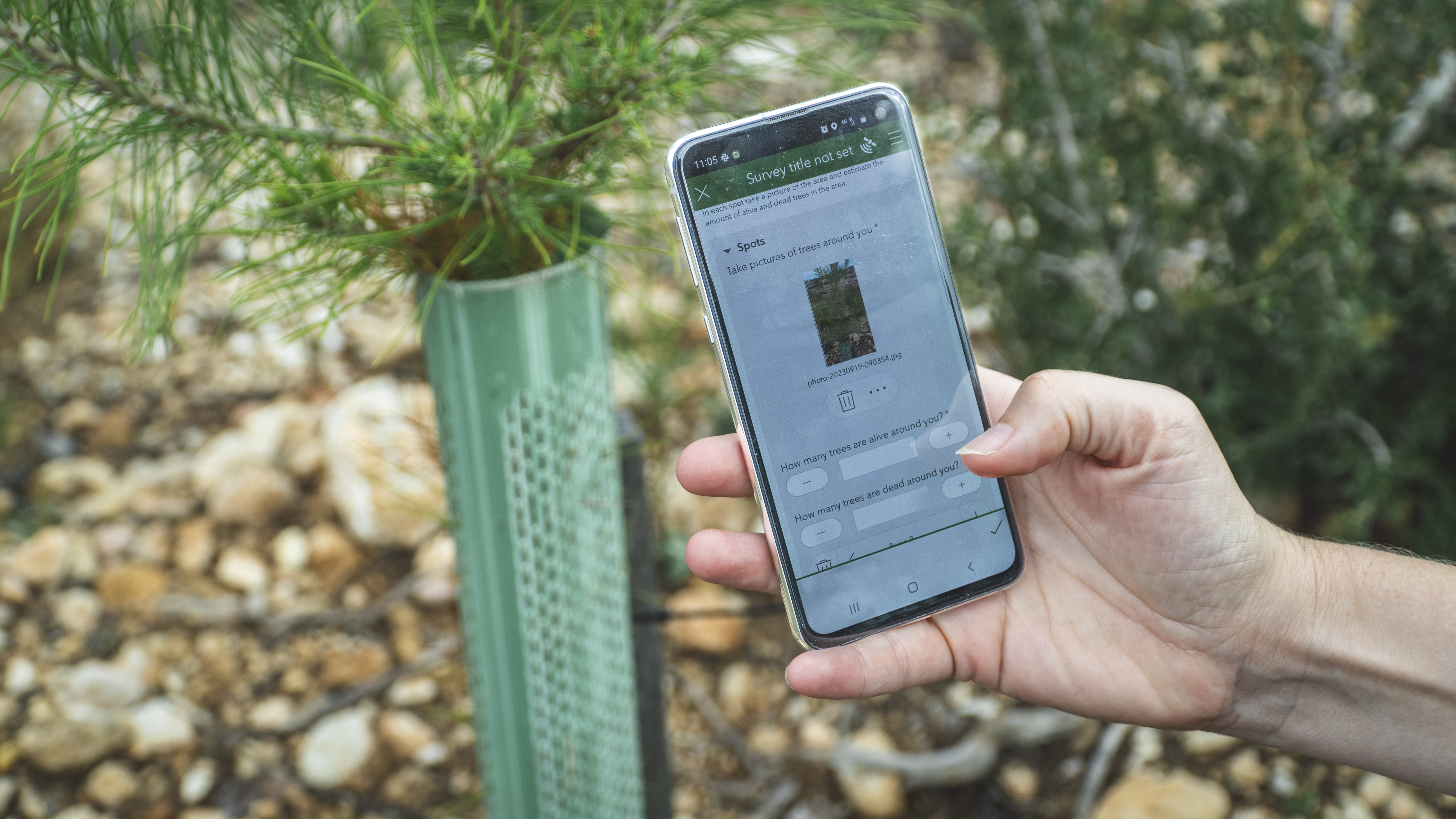
One of the biggest differentiators of our monitoring system is the Citizen Monitoring Tool that enables volunteers, citizens, and partners to actively participate in the data collection. This participatory approach aims to increase the monitoring coverage while fostering public engagement in climate action.
The tool, accessible through our website, generates random monitoring locations across a specific planting site, ensuring an unbiased sample for survival and growth assessments (watch a video tutorial here).
Results and analysis
During the 2020-2025 period, Life Terra monitored more than 2,000 hectares, representing 42% of the total restored area, and +850,000 trees, covering 56% of all trees planted.
And the results are really promising: 76% of survival rate on average across all plots monitored, with a median of 80%. The higher median indicates that most plantings are performing slightly better than the average and that sites with low survival rates are outliers.
We have also seen that survival rates were not negatively affected by the scale of the planting. Large planting sites with tens of thousands of trees have similar survival rates than small citizen-driven plantings. This demonstrates that effective management, high-quality planting and maintenance practices can be achieved consistently, even at a large scale.
As we move forward, Life Terra will continue to strengthen its monitoring efforts and expand citizen participation. And we encourage everyone to get involved and help us monitor our plots to make as much data as possible openly accessible.
You can access our Citizen monitoring tool through our website, below each planting plot's information. See an example here.