Black Friday has become a weeklong waste machine
It used to be one day. Now it’s a full week of “unmissable” deals pushed so hard you can hear the landfills groaning. Retailers stretch the hype, profits rise, and the environmental bill gets bigger every year.
Across Europe, Black Friday spending keeps climbing. The EU market is expected to push tens of billions of euros during this extended sales week, with major economies like Germany, France, Italy and Spain driving the bulk of purchases. Forecasts show European consumers still spending hundreds of euros per person on average, despite rising awareness of overconsumption. The problem is no longer a frantic Friday; it’s a week-long consumption marathon designed to squeeze out as much profit as possible.
Waste grows faster than the discounts
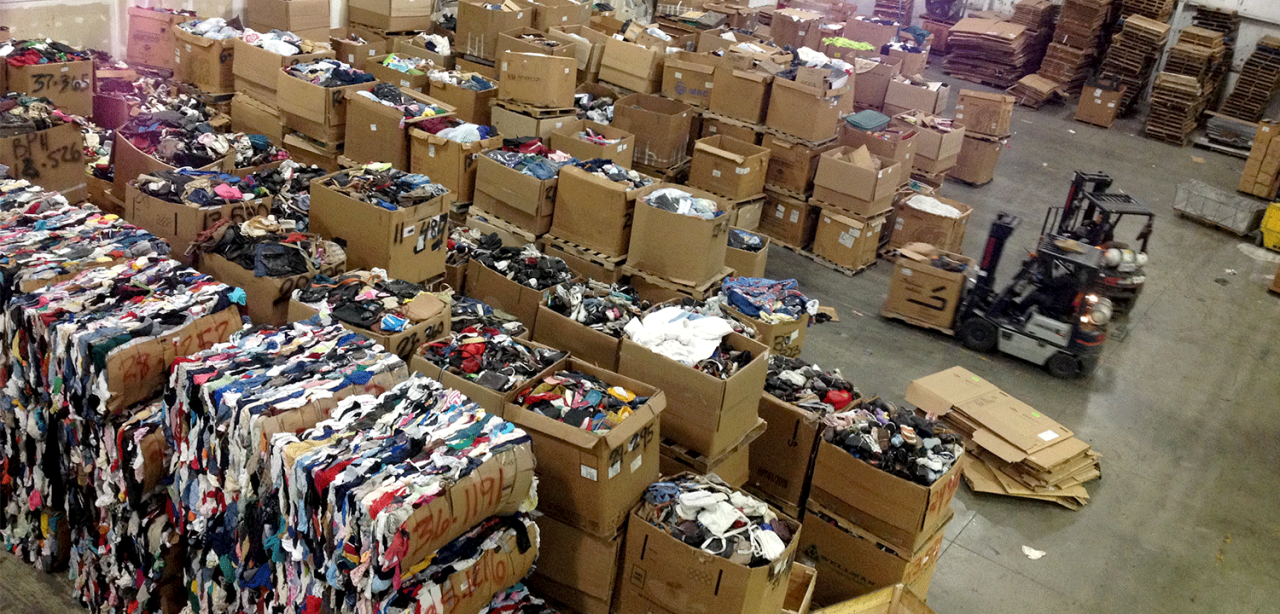
The environmental impact is impossible to ignore. Europe contributes heavily to the 62 million tonnes of global e-waste recorded in 2022. Textile waste also remains severe, with millions of tonnes of clothing discarded across the continent every year. And the entire shopping season from late November to early January leads to an estimated 25 percent increase in household waste, thanks to packaging, fast fashion, failed gadgets and endless returns.

A better way to “get something” this week
If you’re already feeling the fatigue of buying things that don’t last, here’s a cleaner option. We don’t offer flash deals, countdown clocks or mystery boxes. We plant trees. And those trees store carbon, improve soil, cool cities and support biodiversity for decades. They’re the opposite of a disposable purchase.
This week, instead of adding one more object to a future waste pile,
adopt a tree with Life Terra or support one of our reforestation projects. It’s a contribution that won’t end up in the bin.