Insights from the Ertveldpolder den Bosch Planting Site Visit
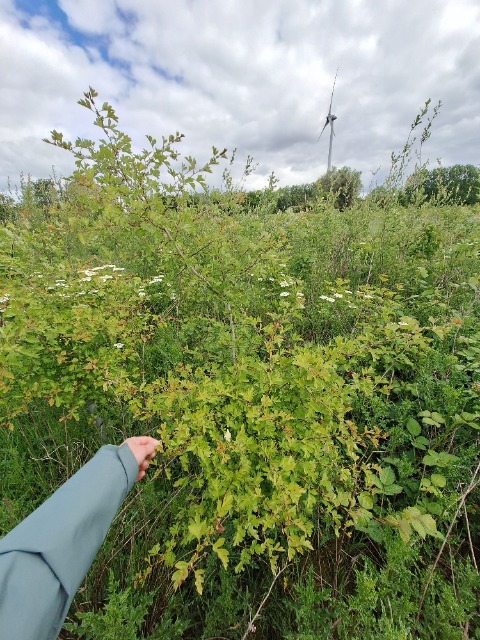
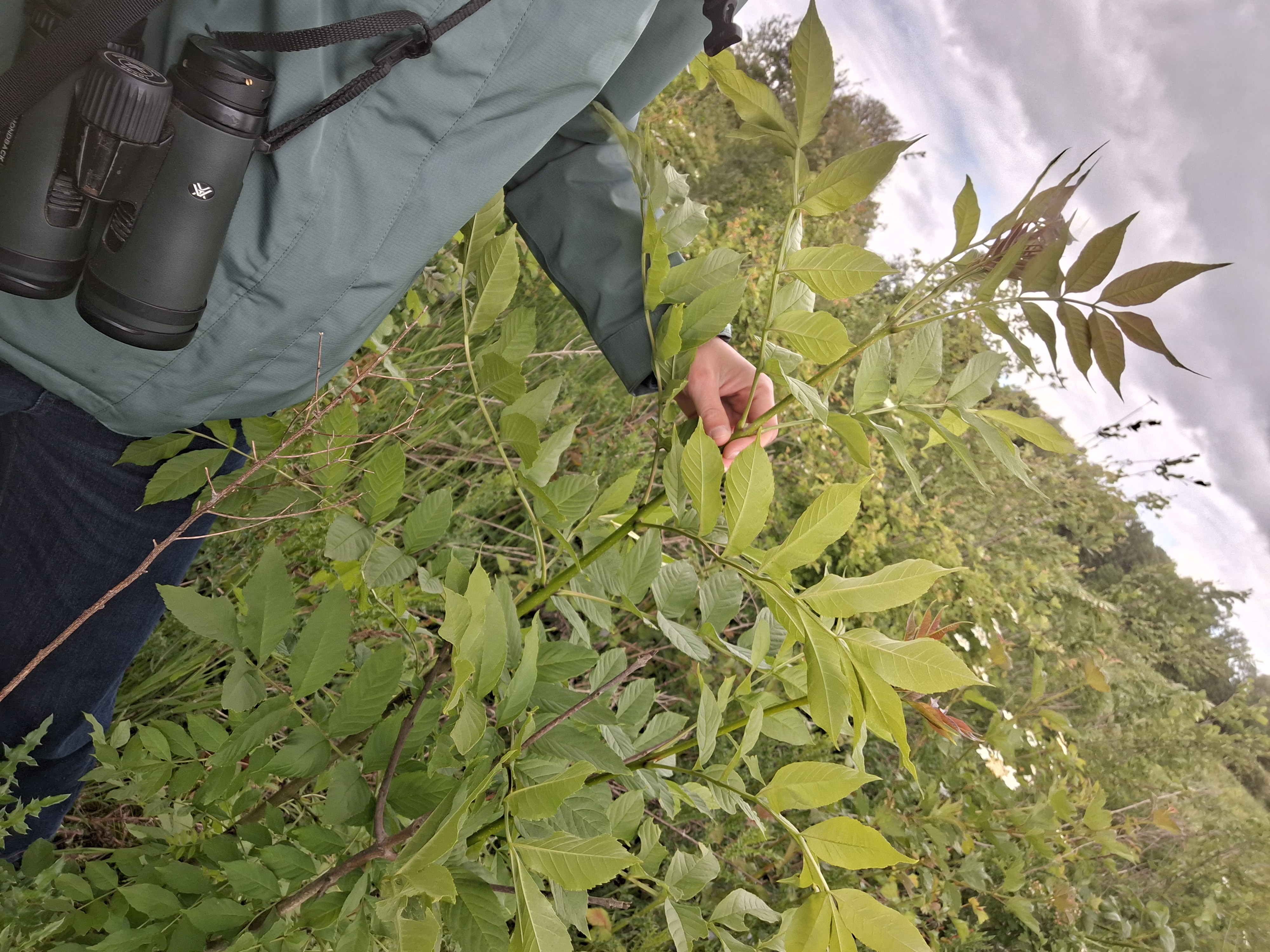
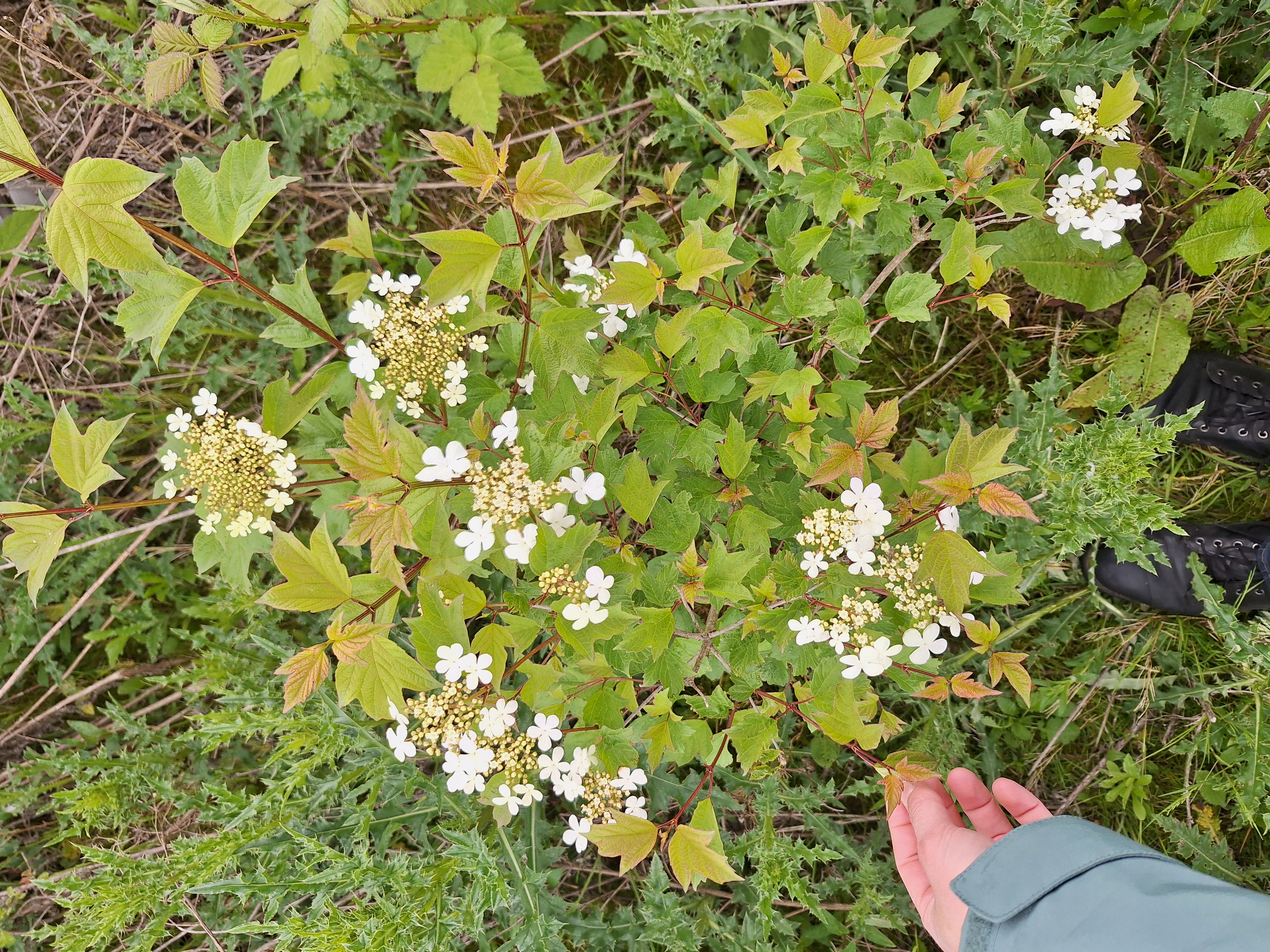
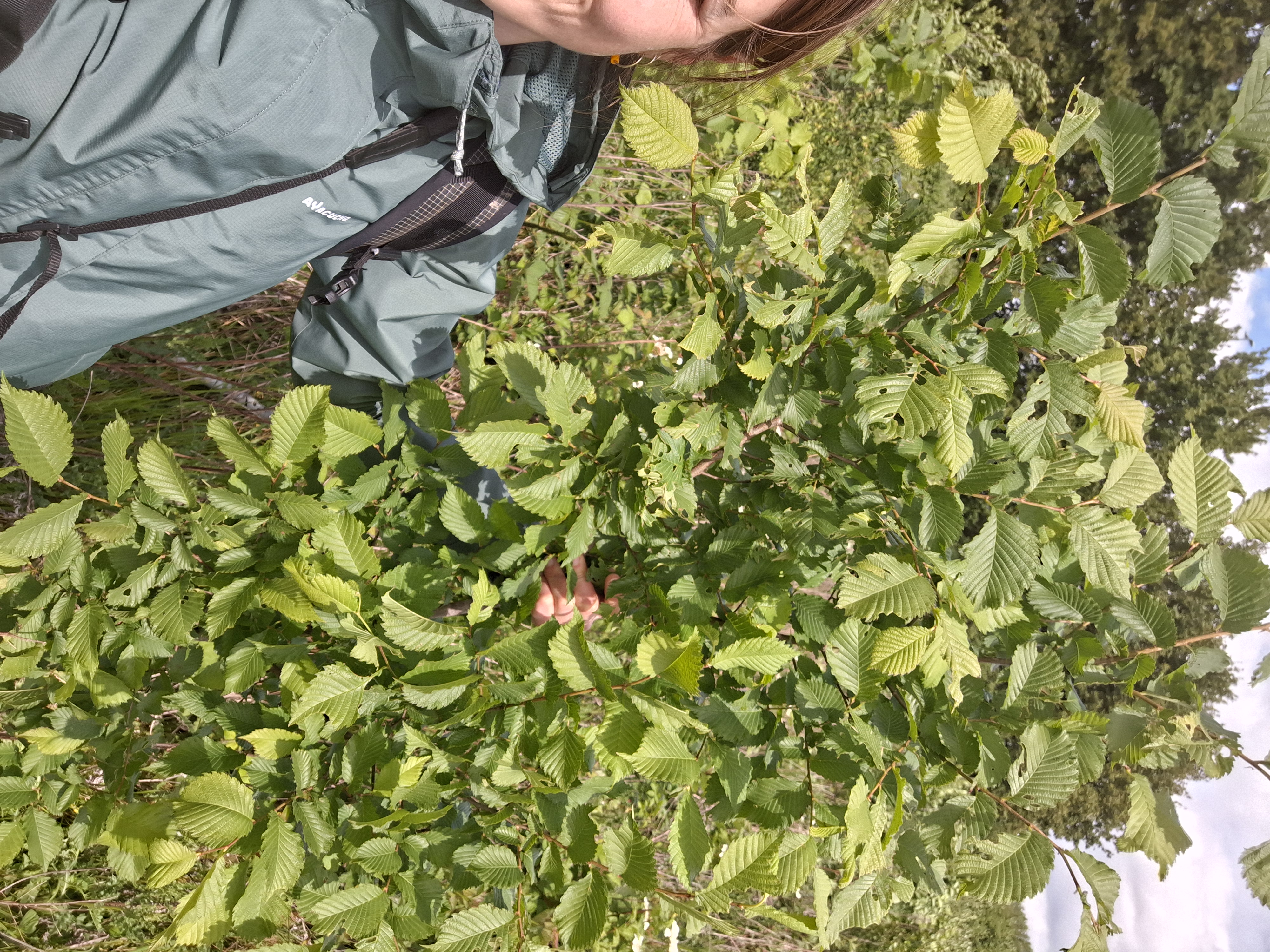
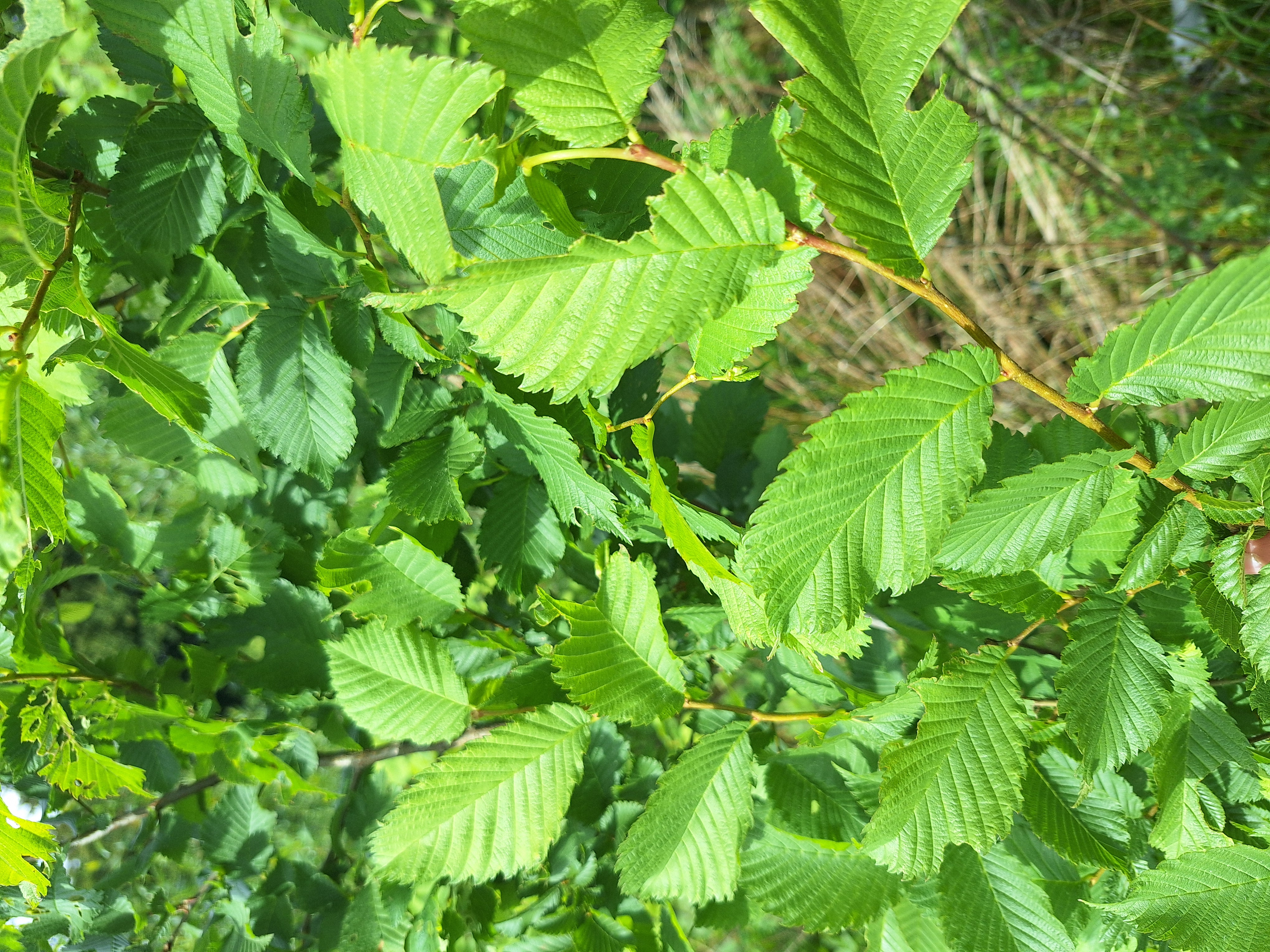
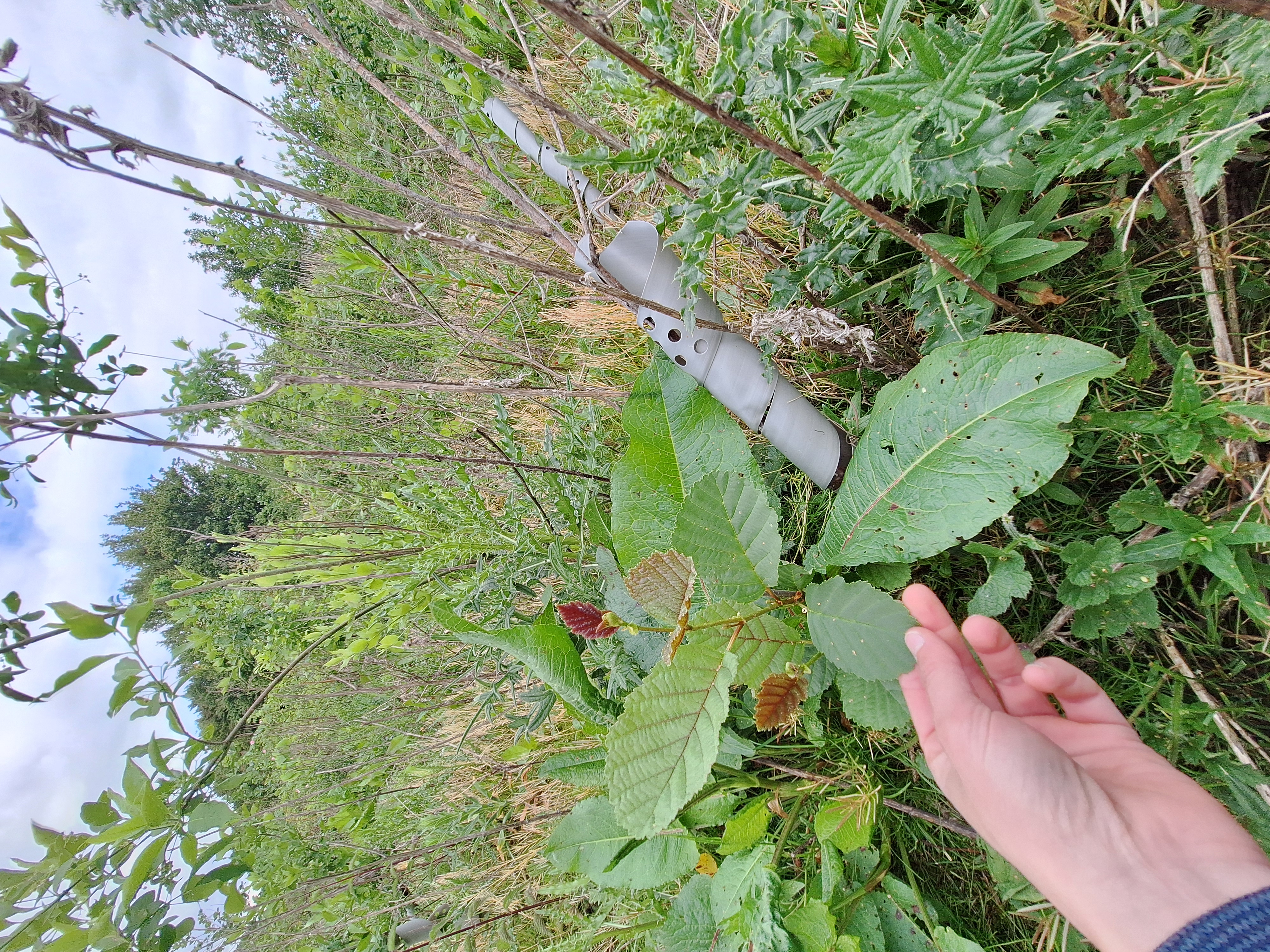
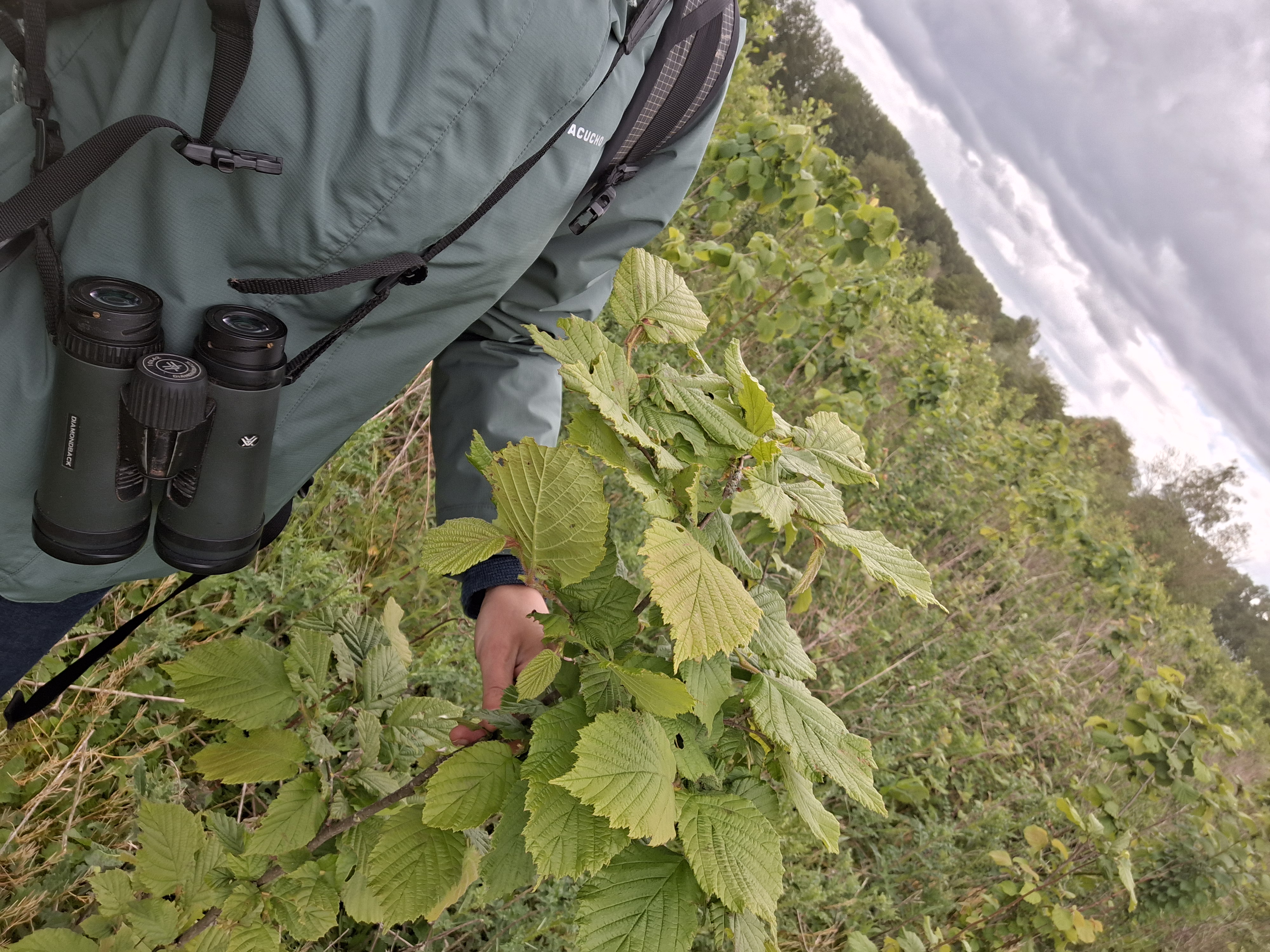
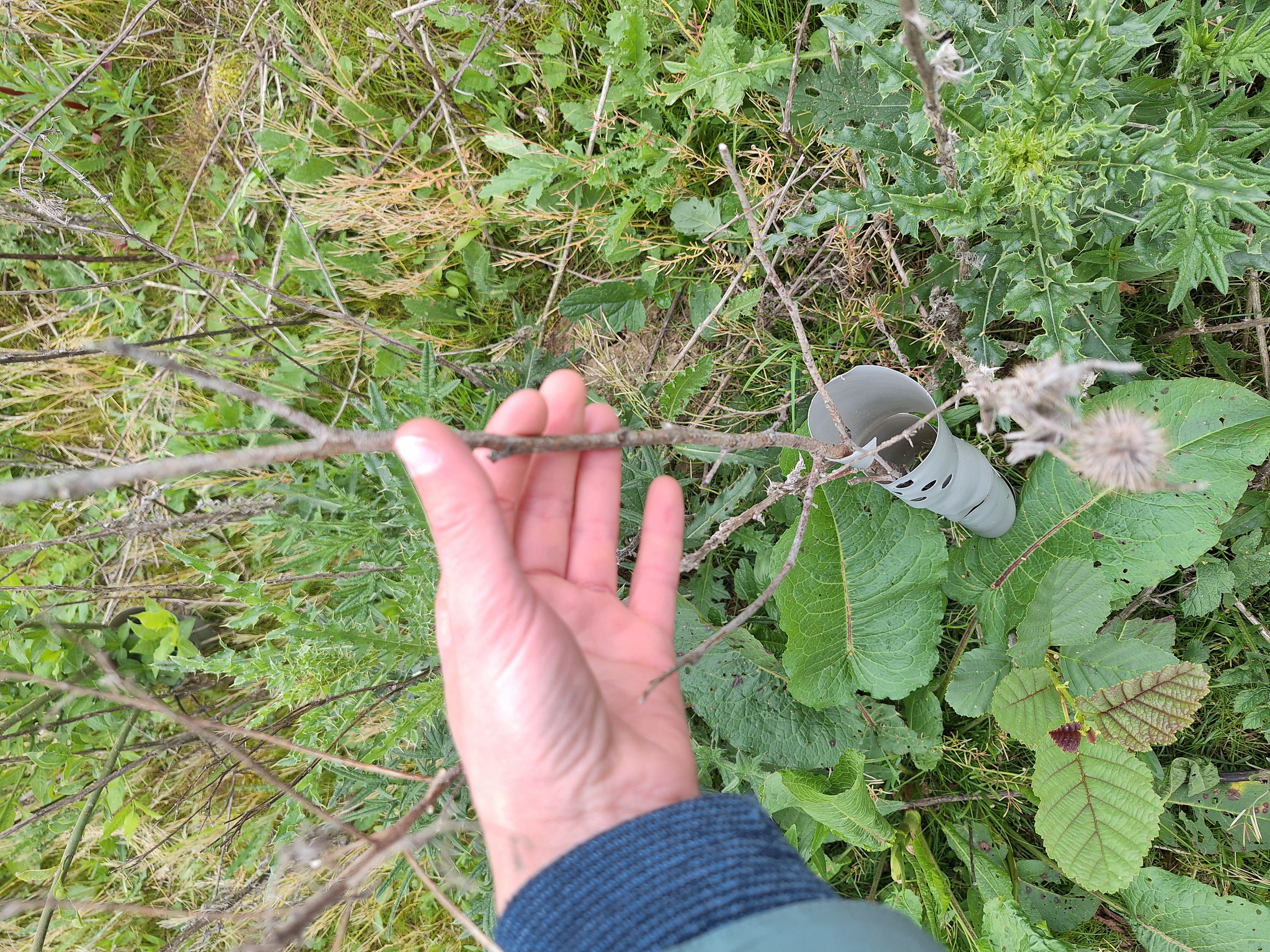
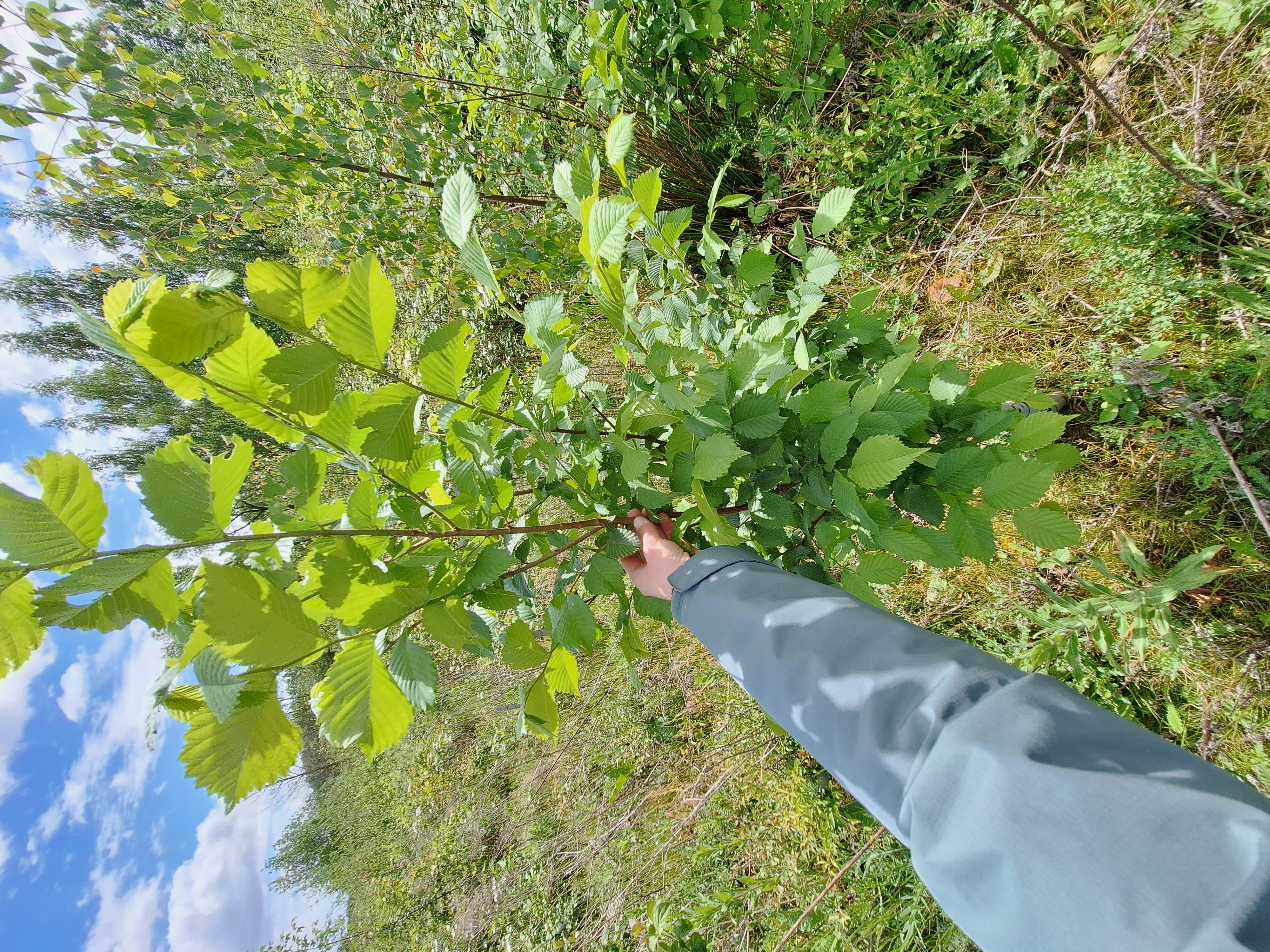
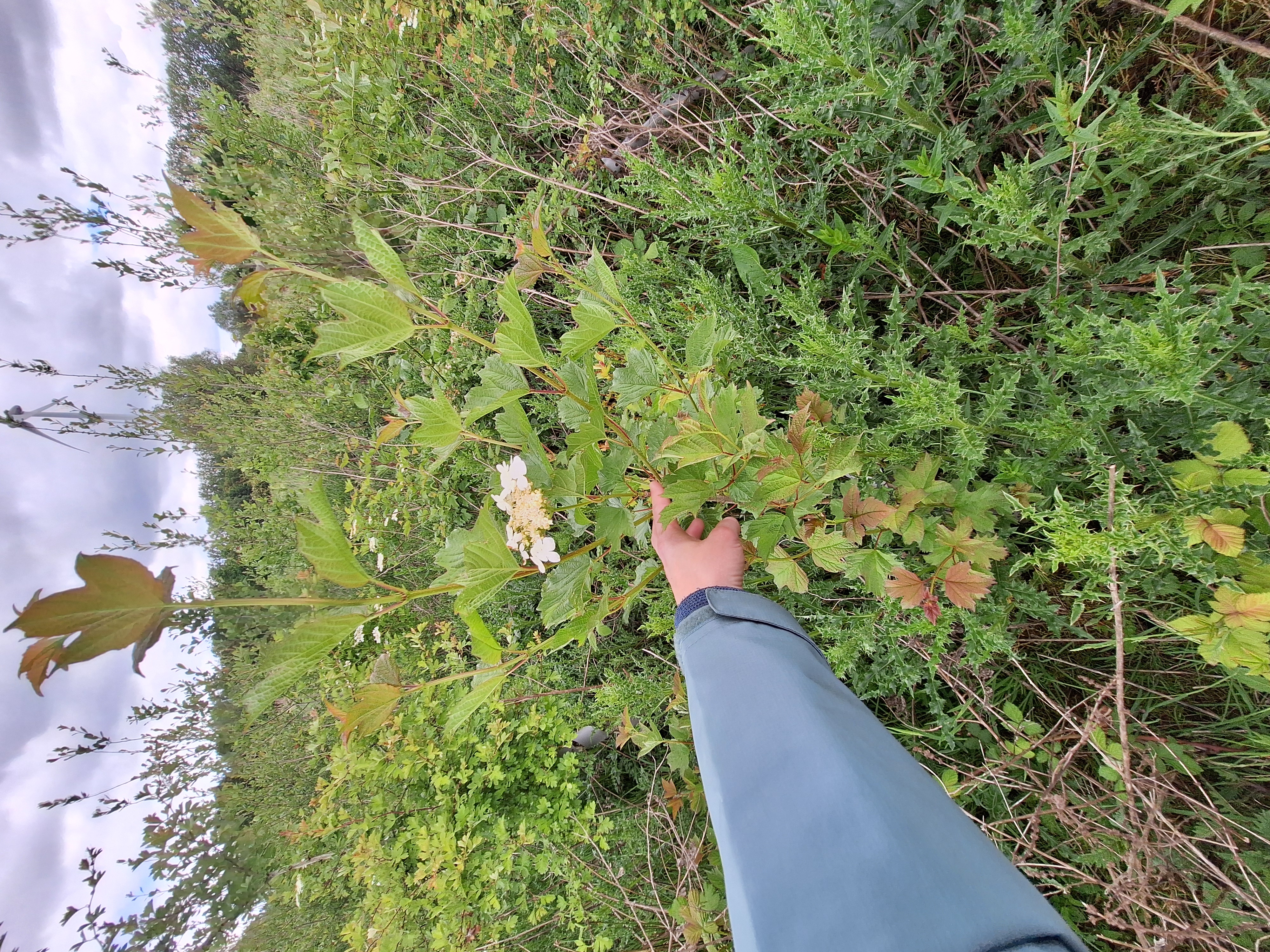
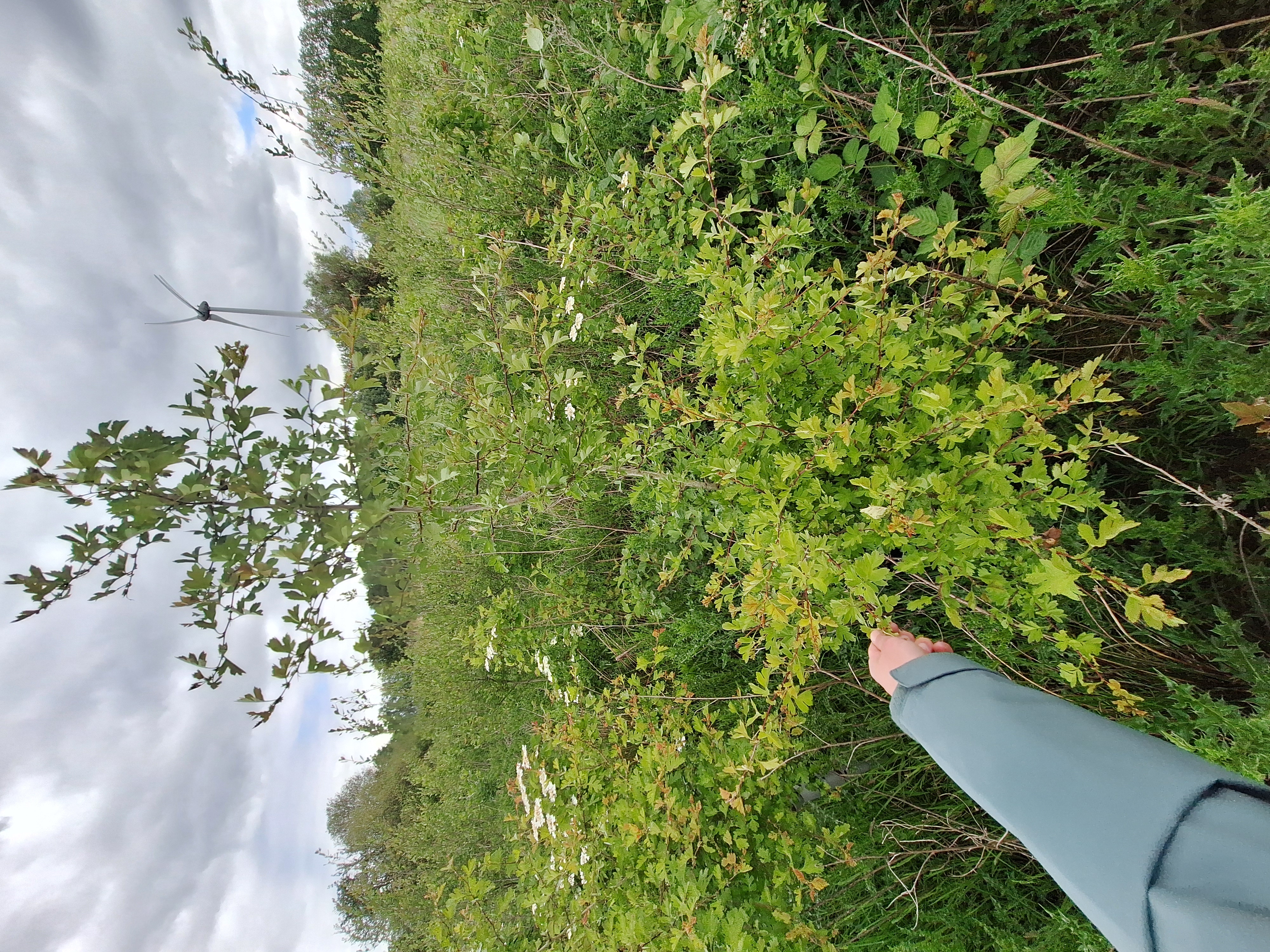
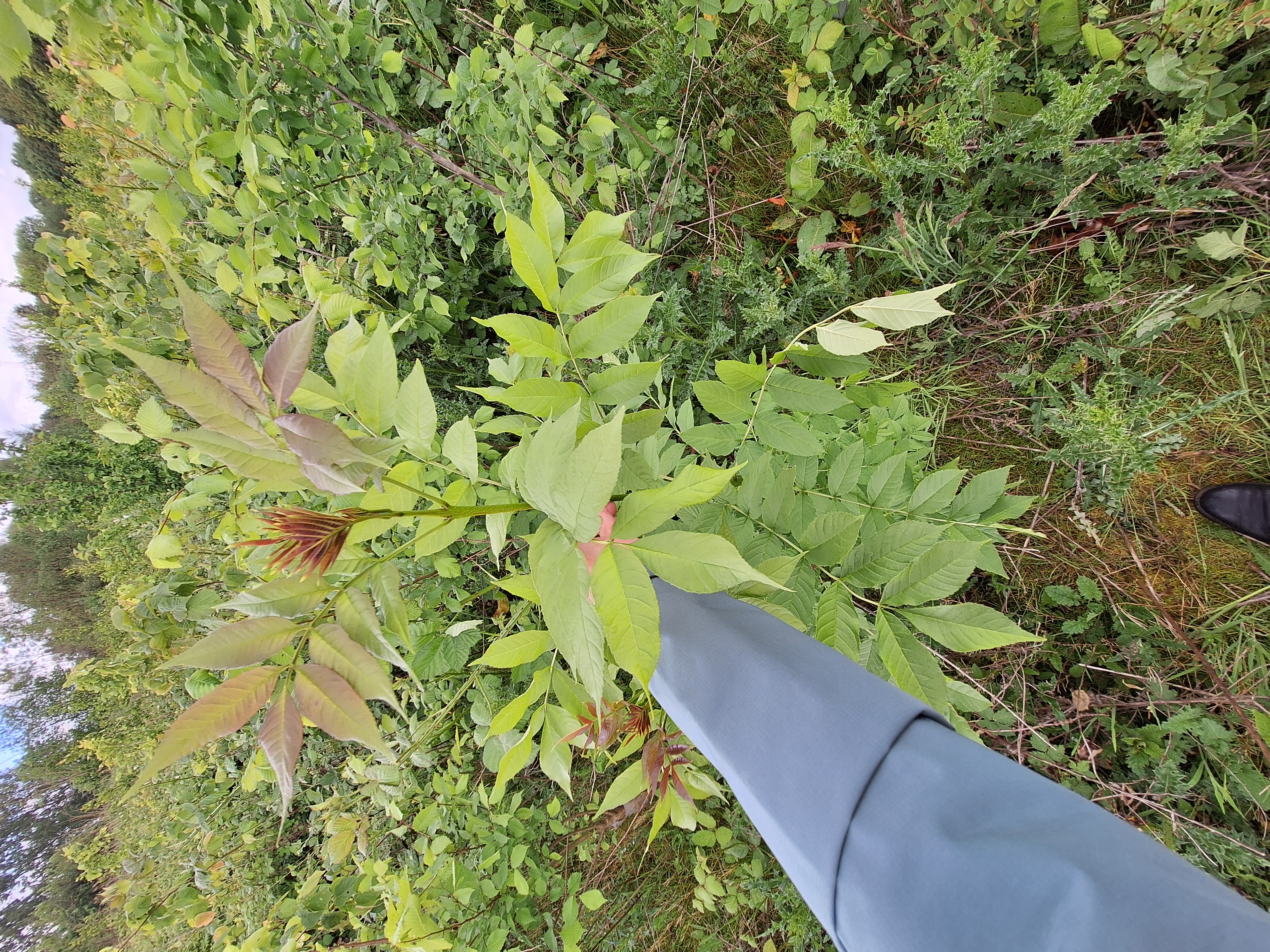
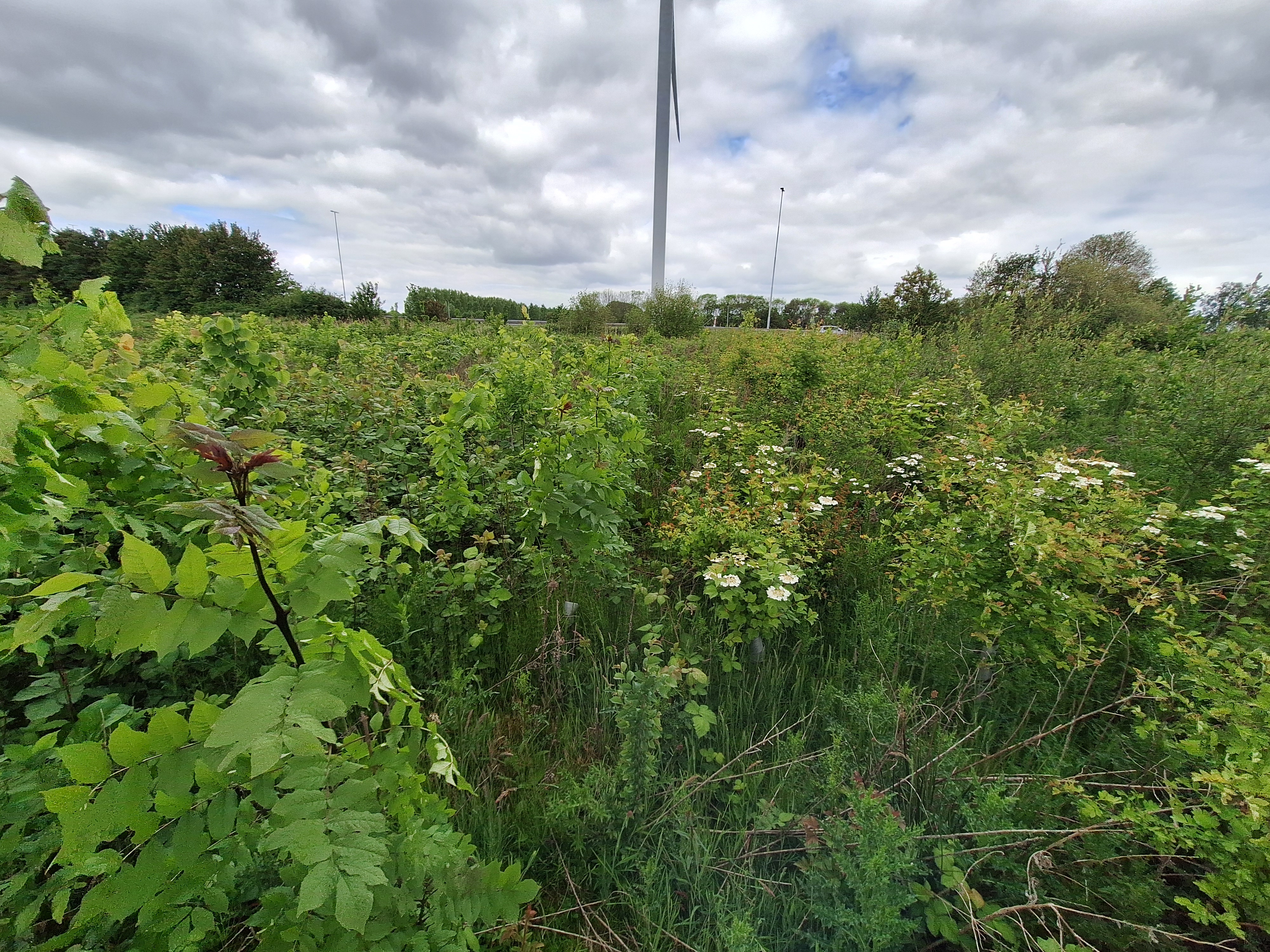
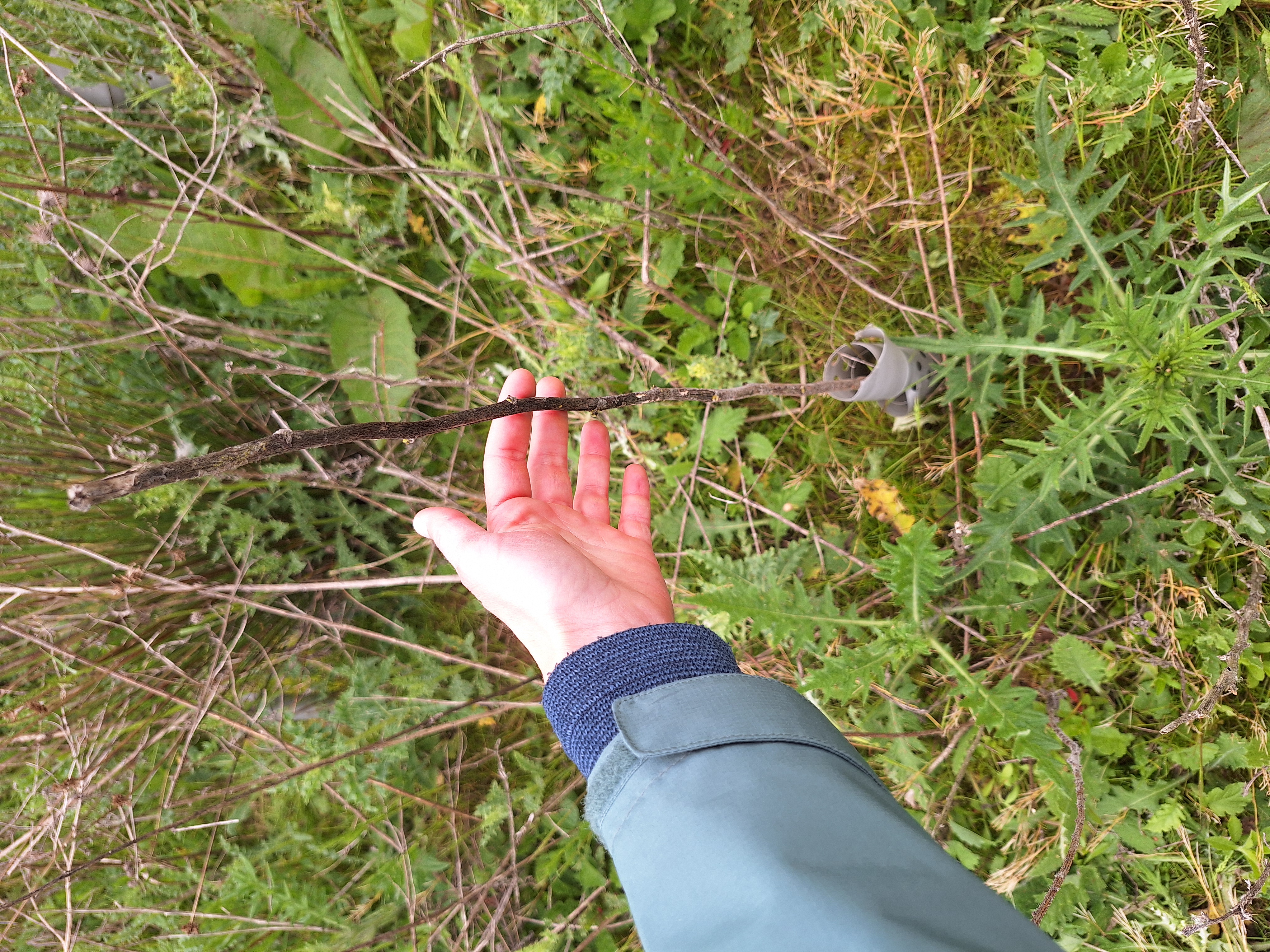
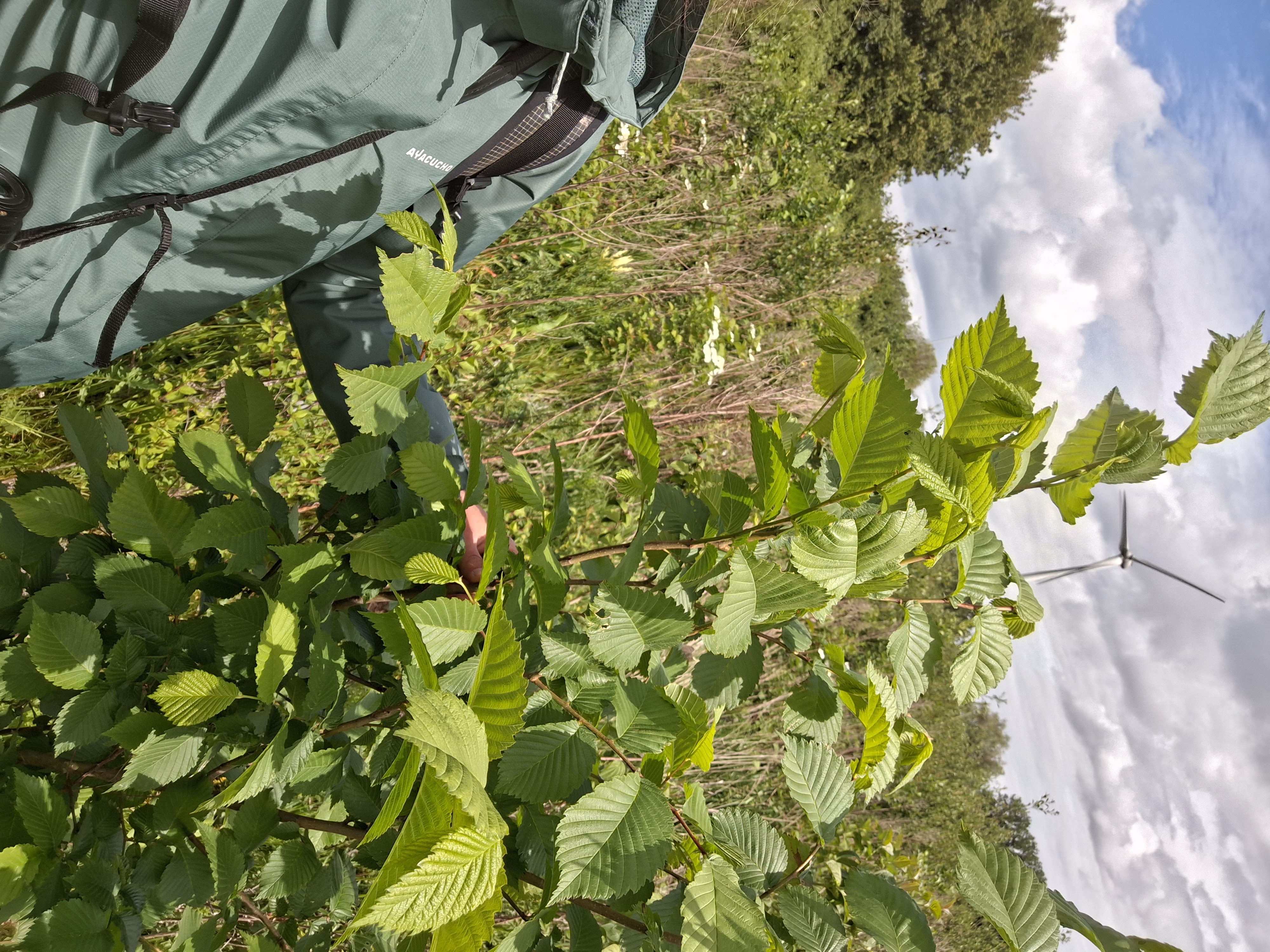
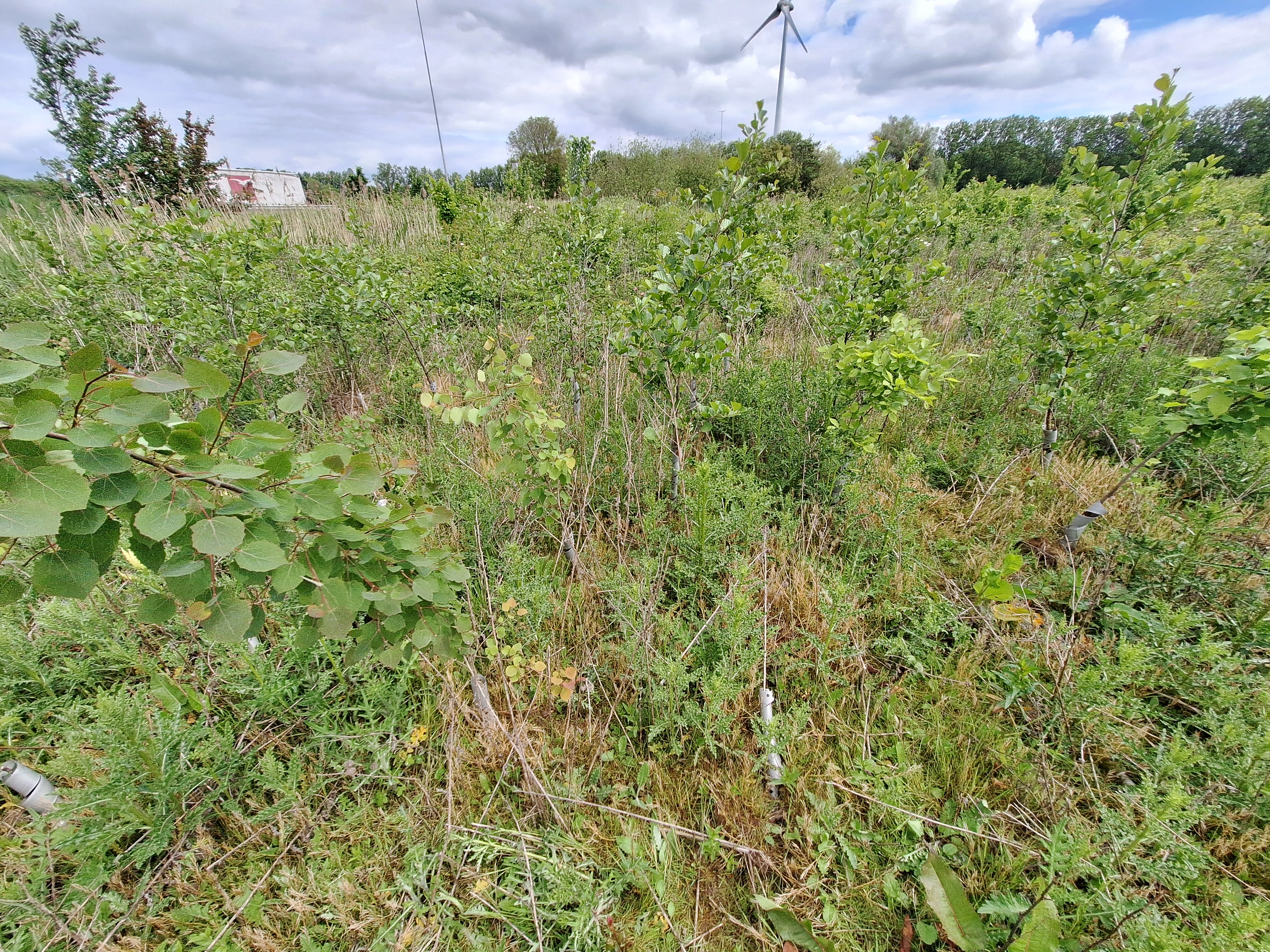
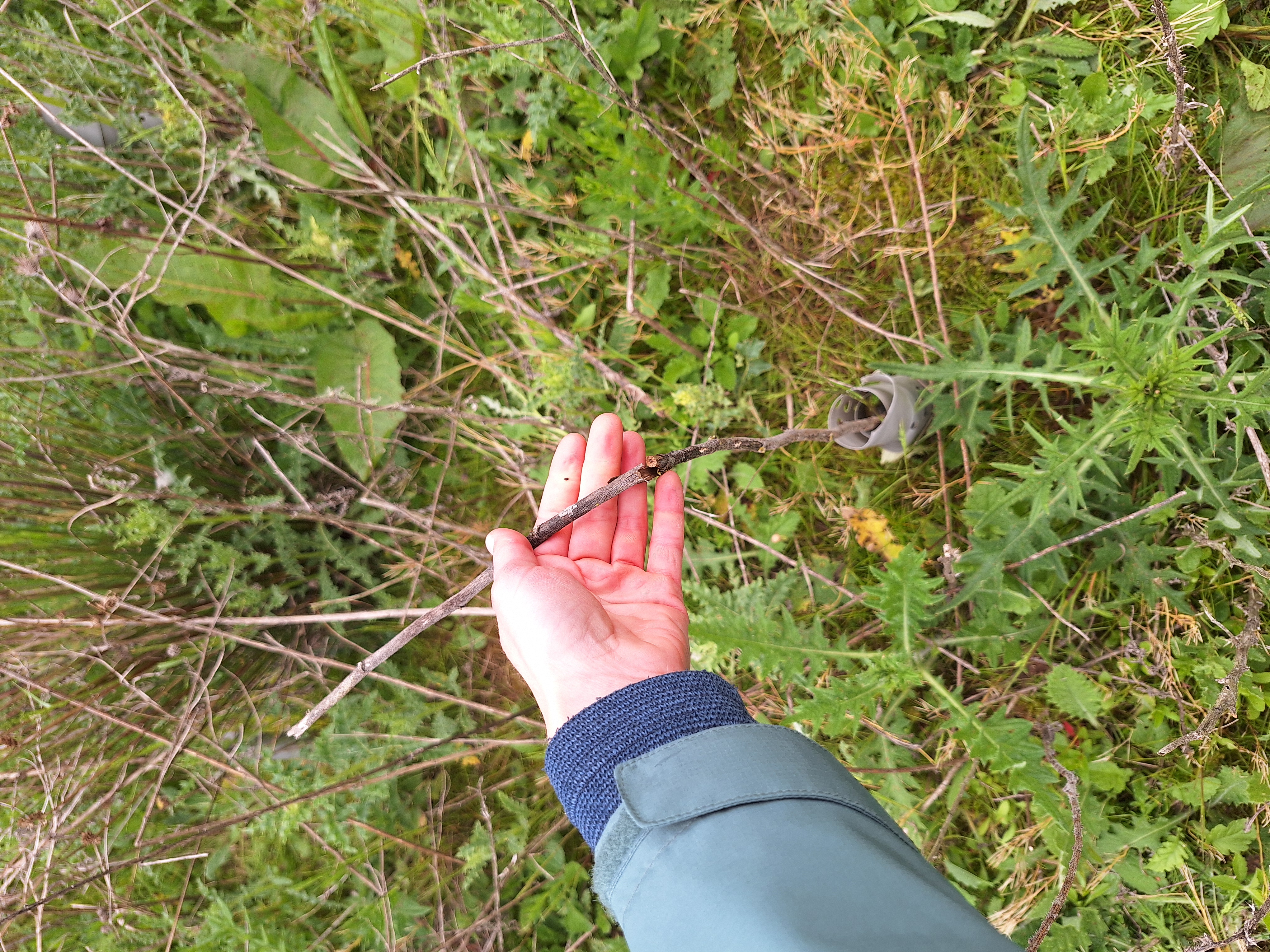
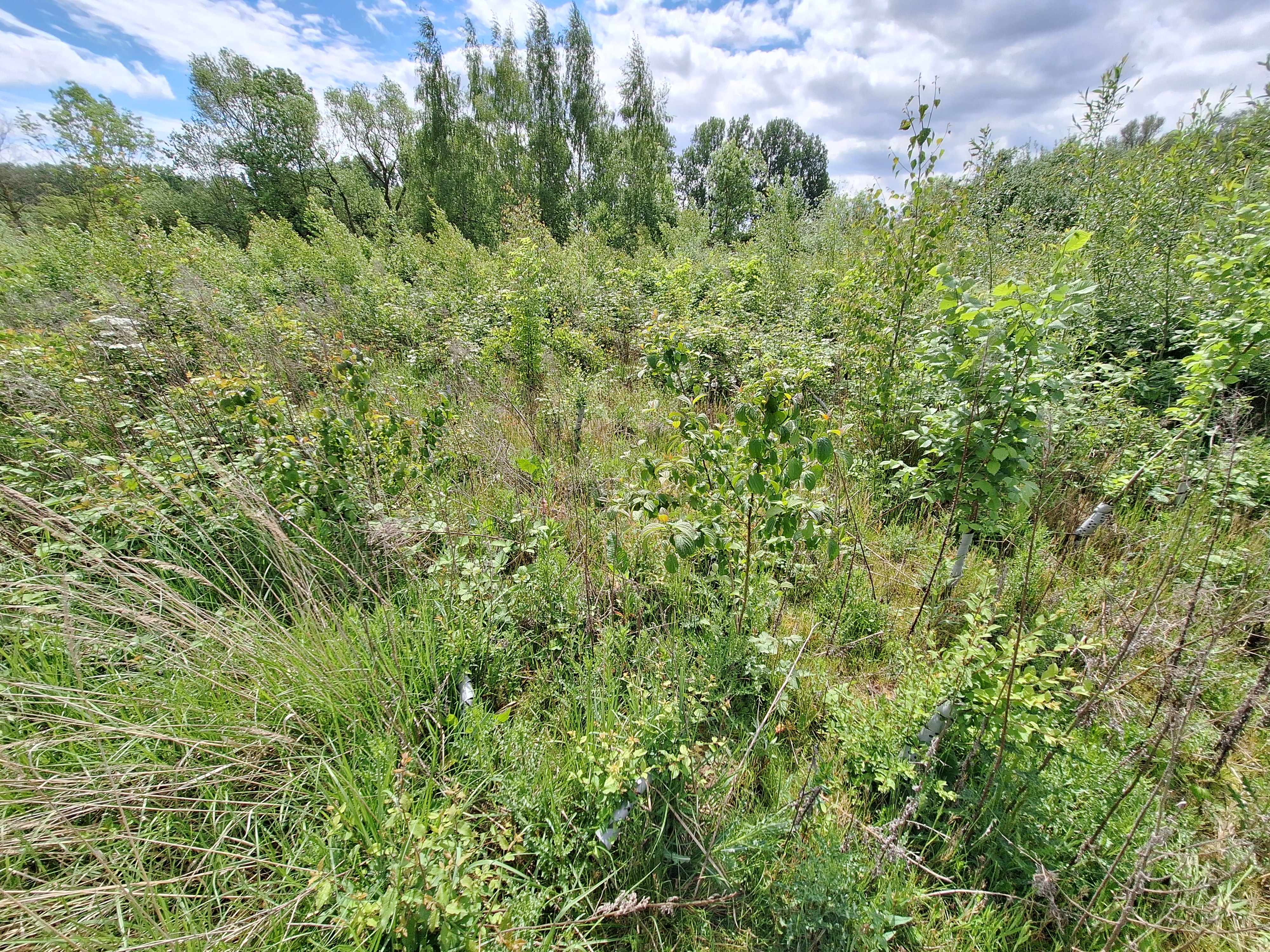
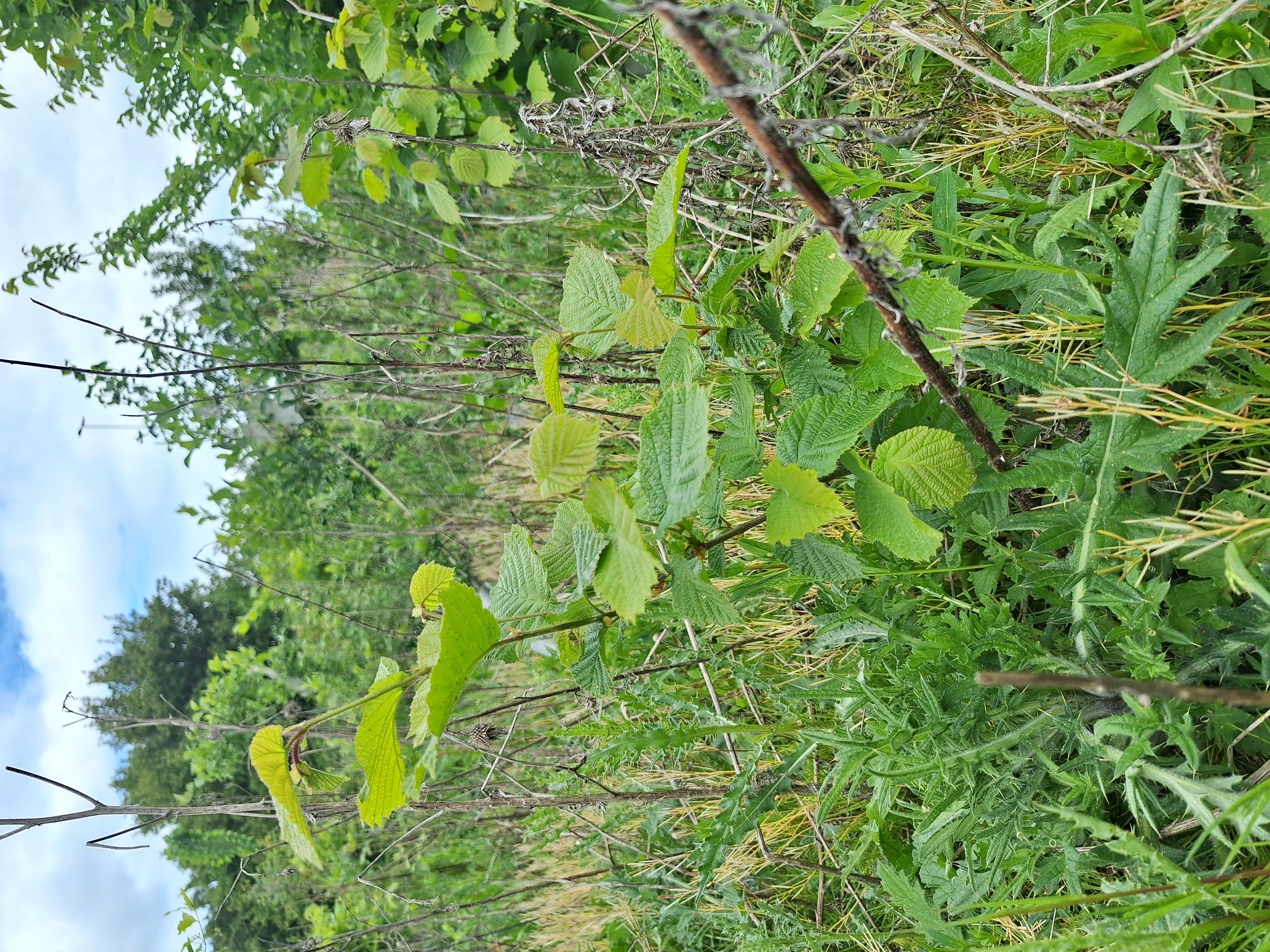
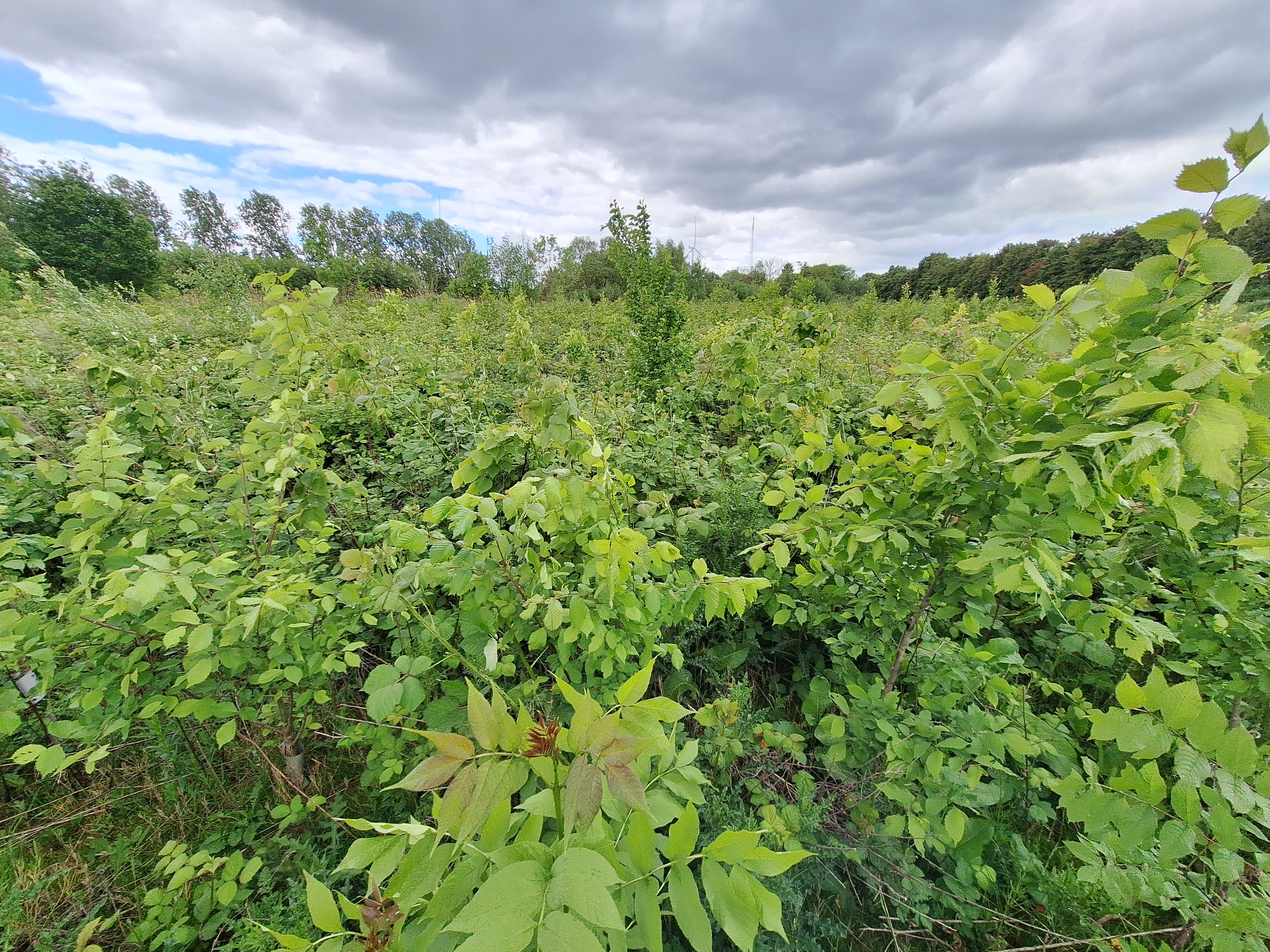
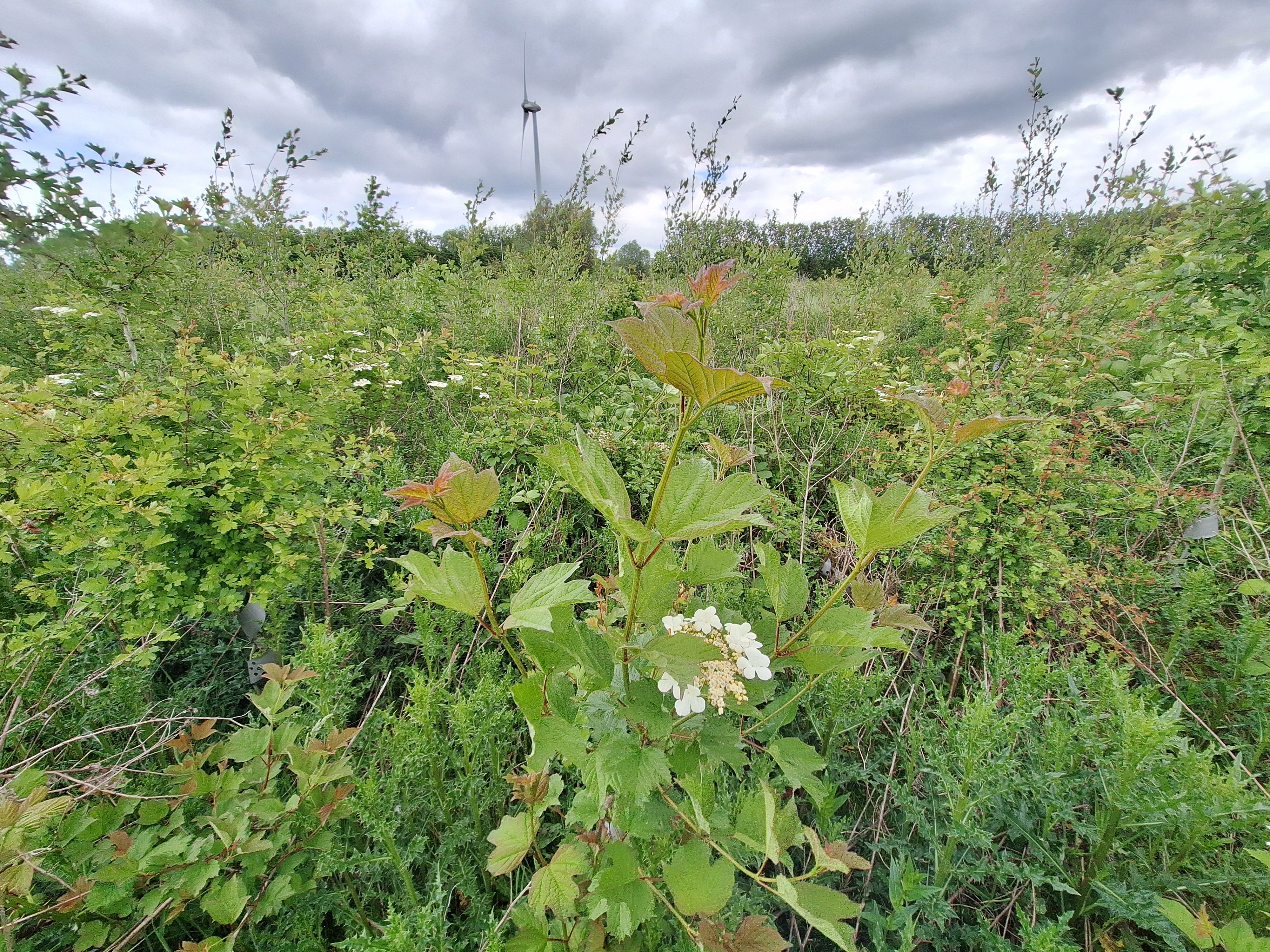
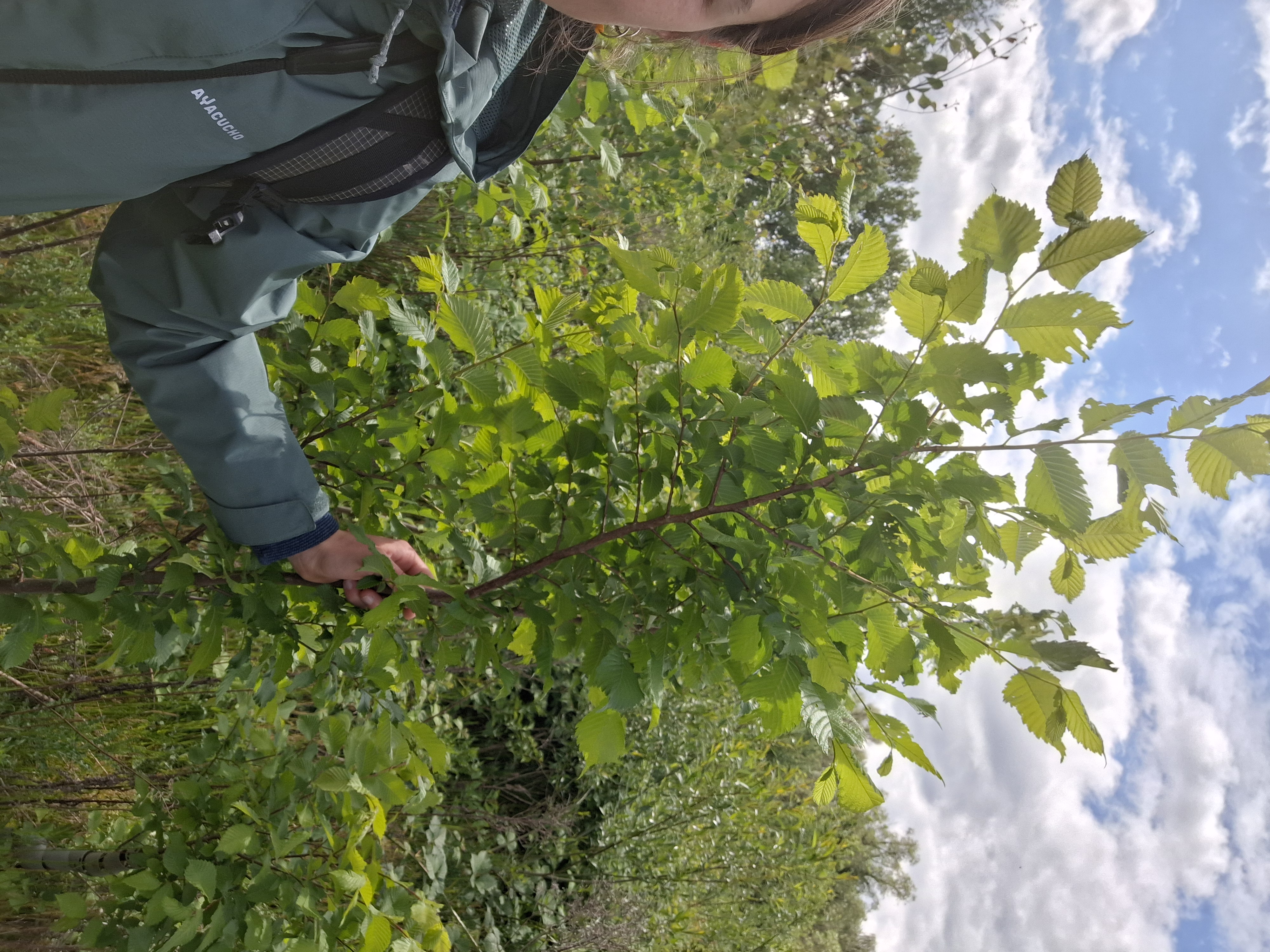
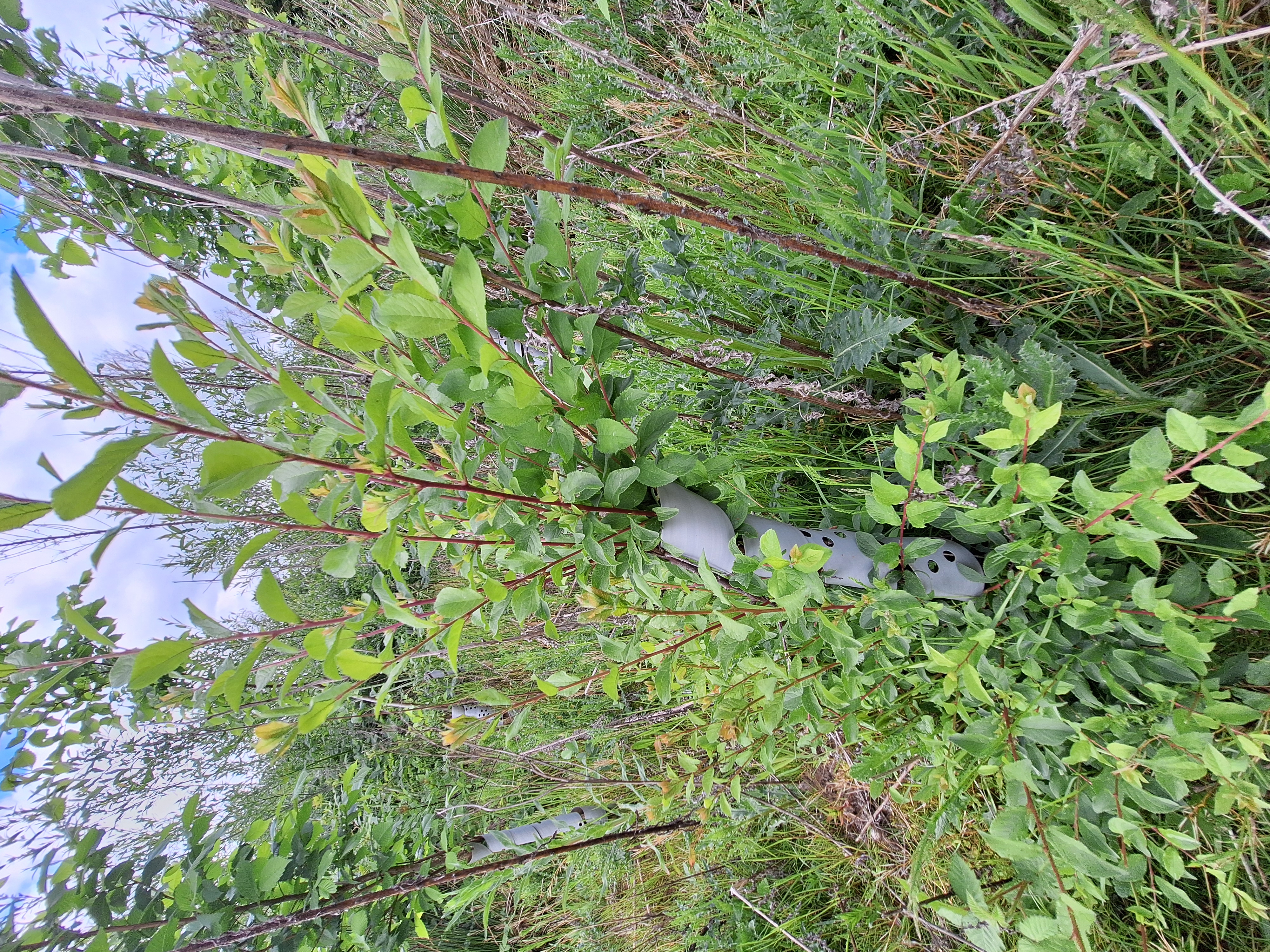
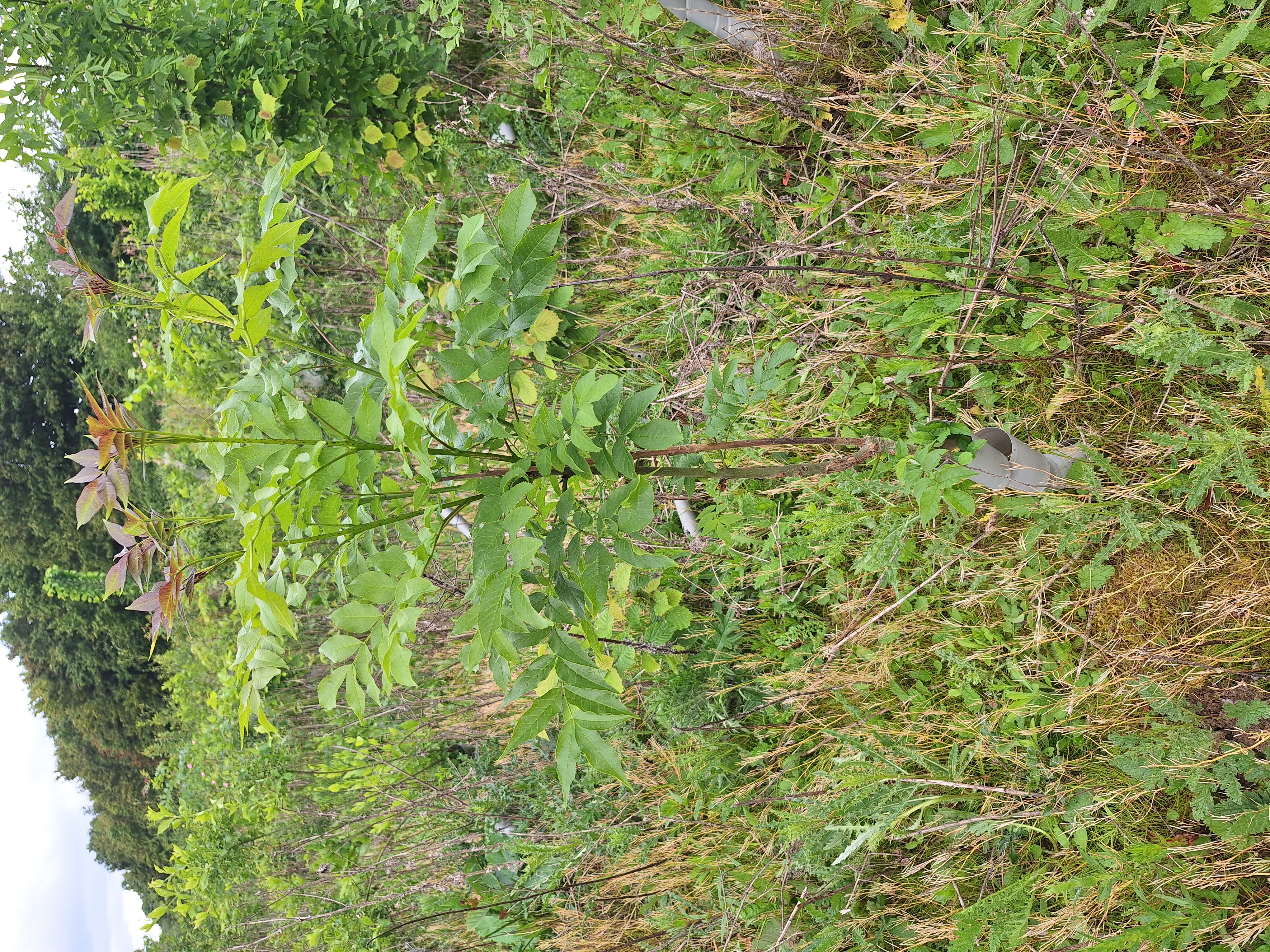
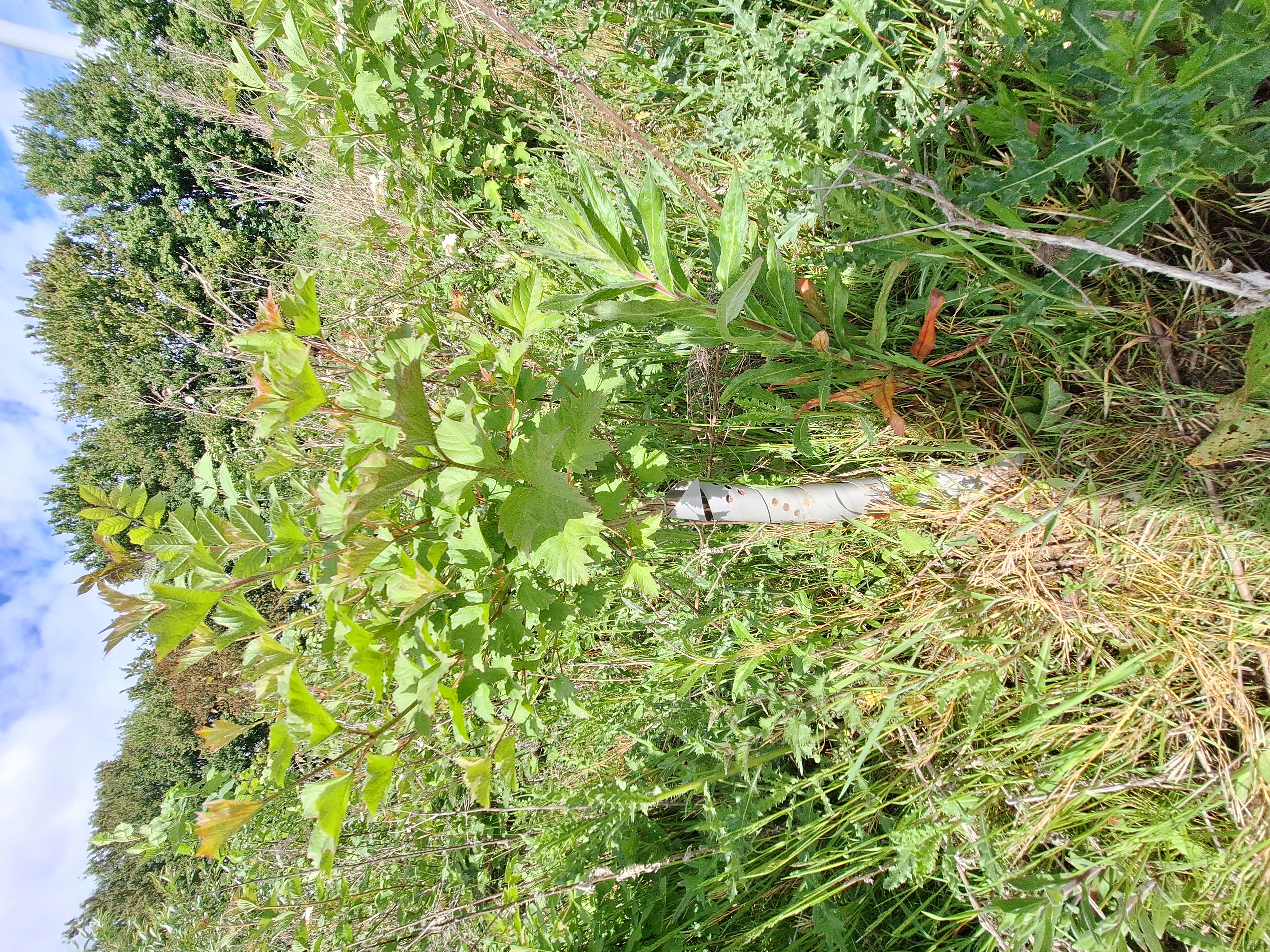
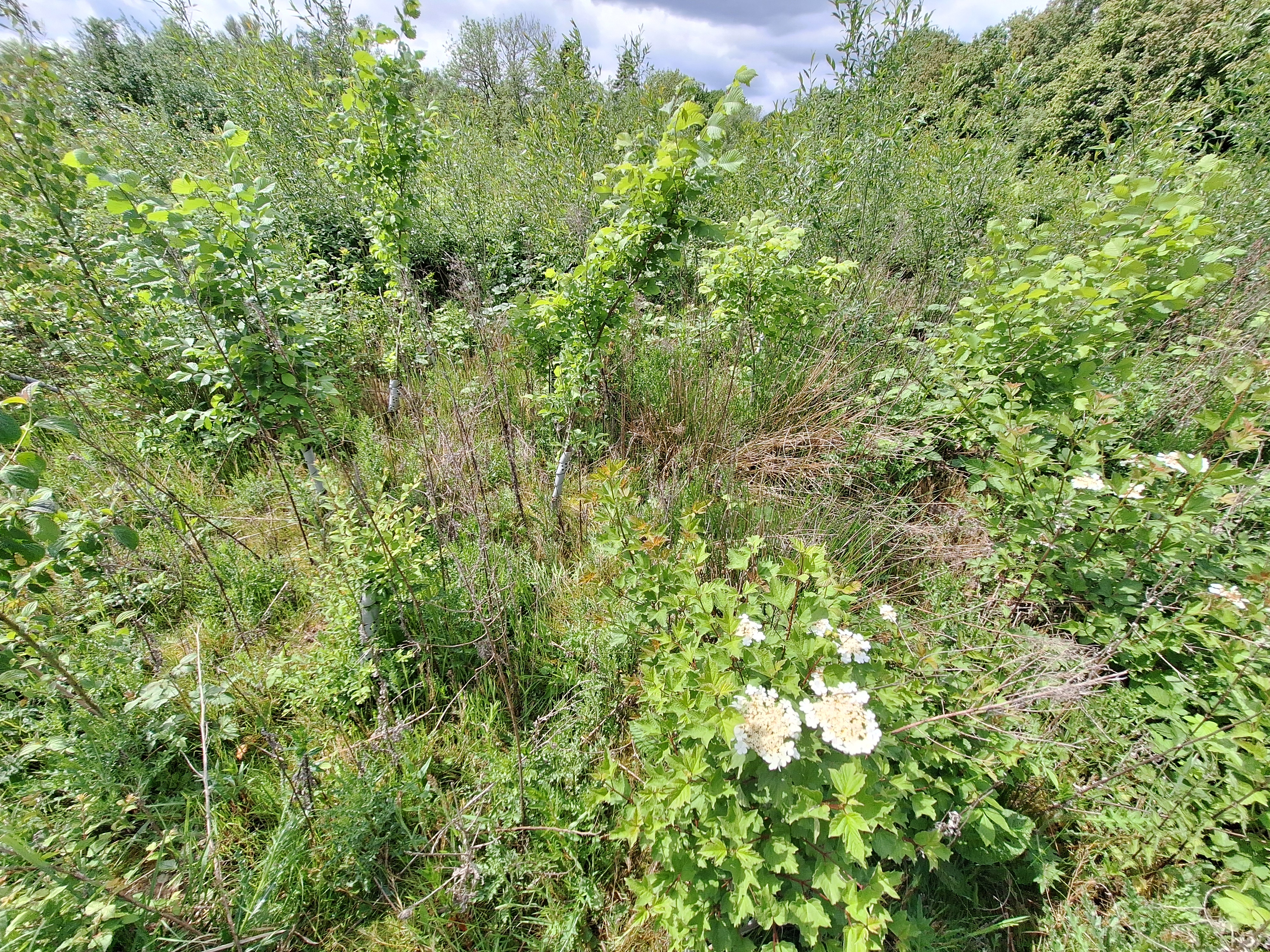
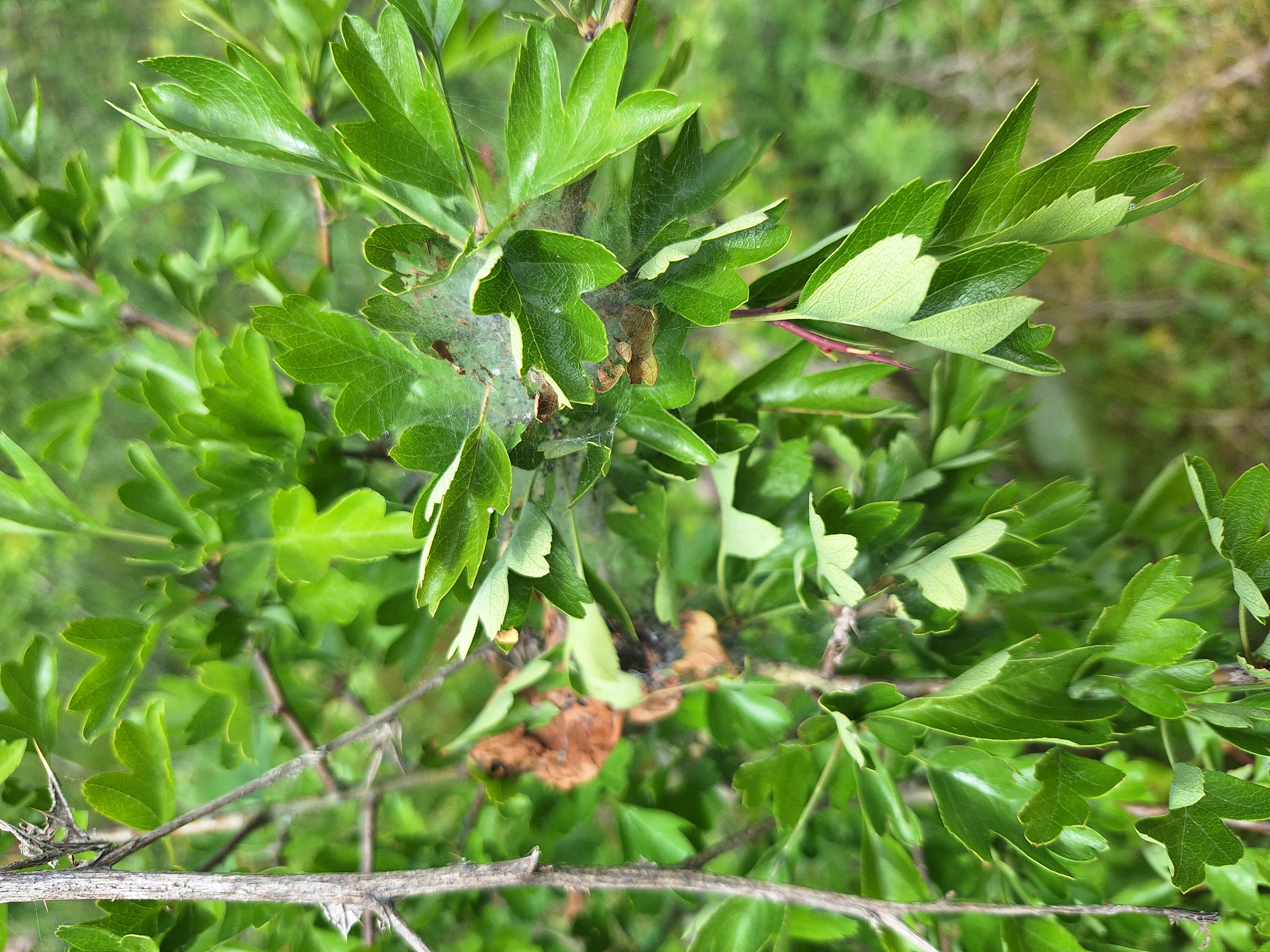
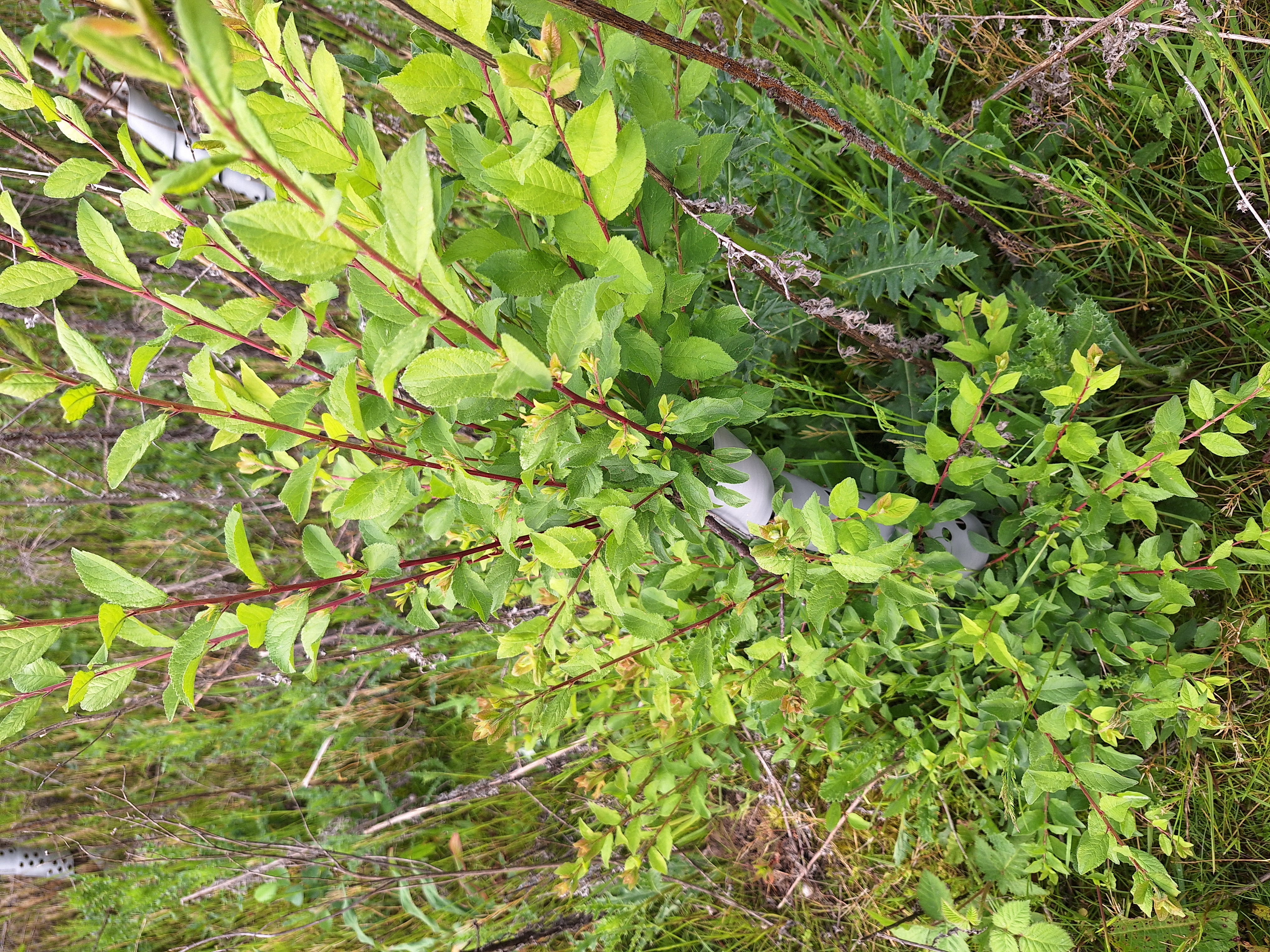
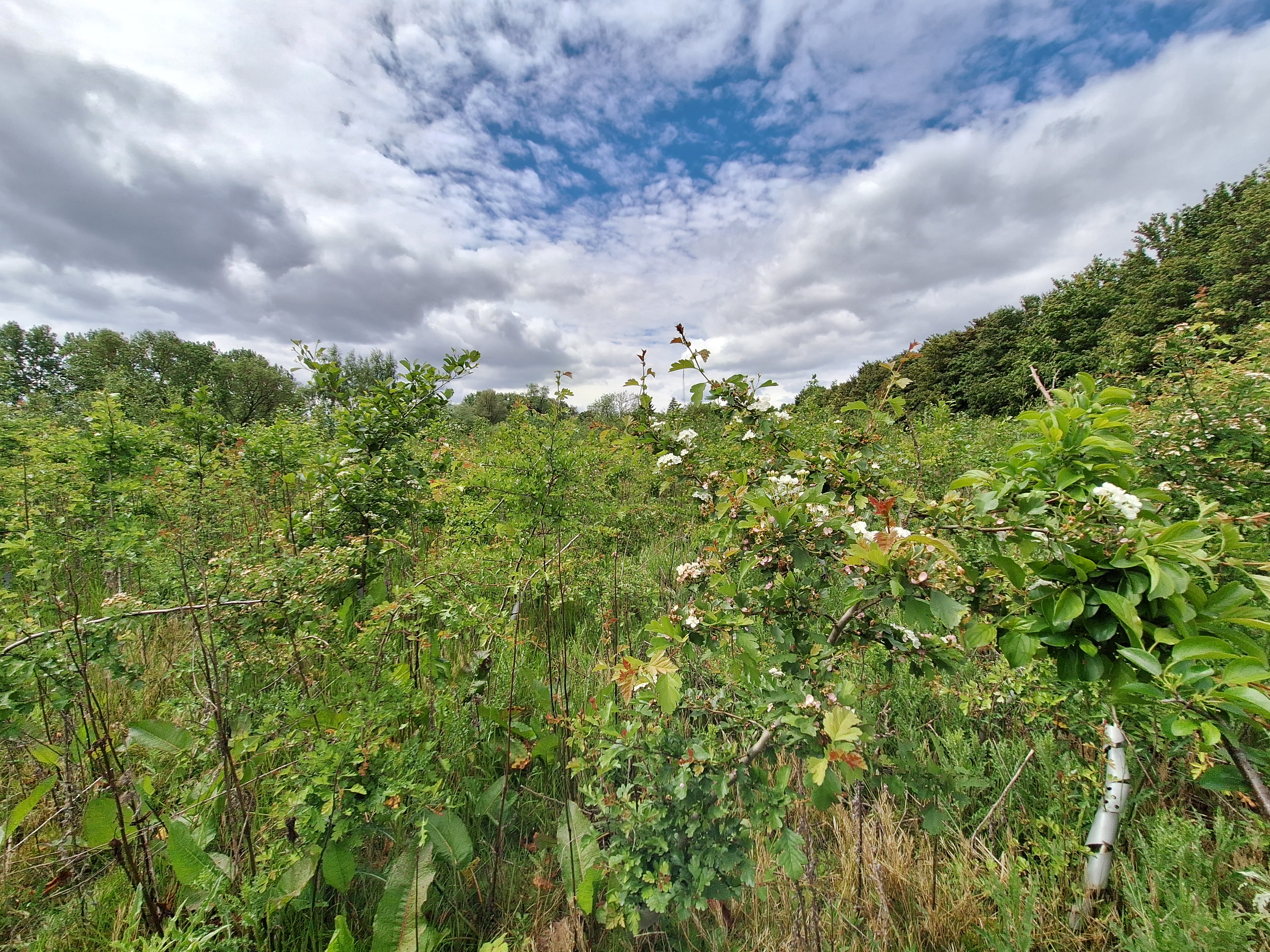
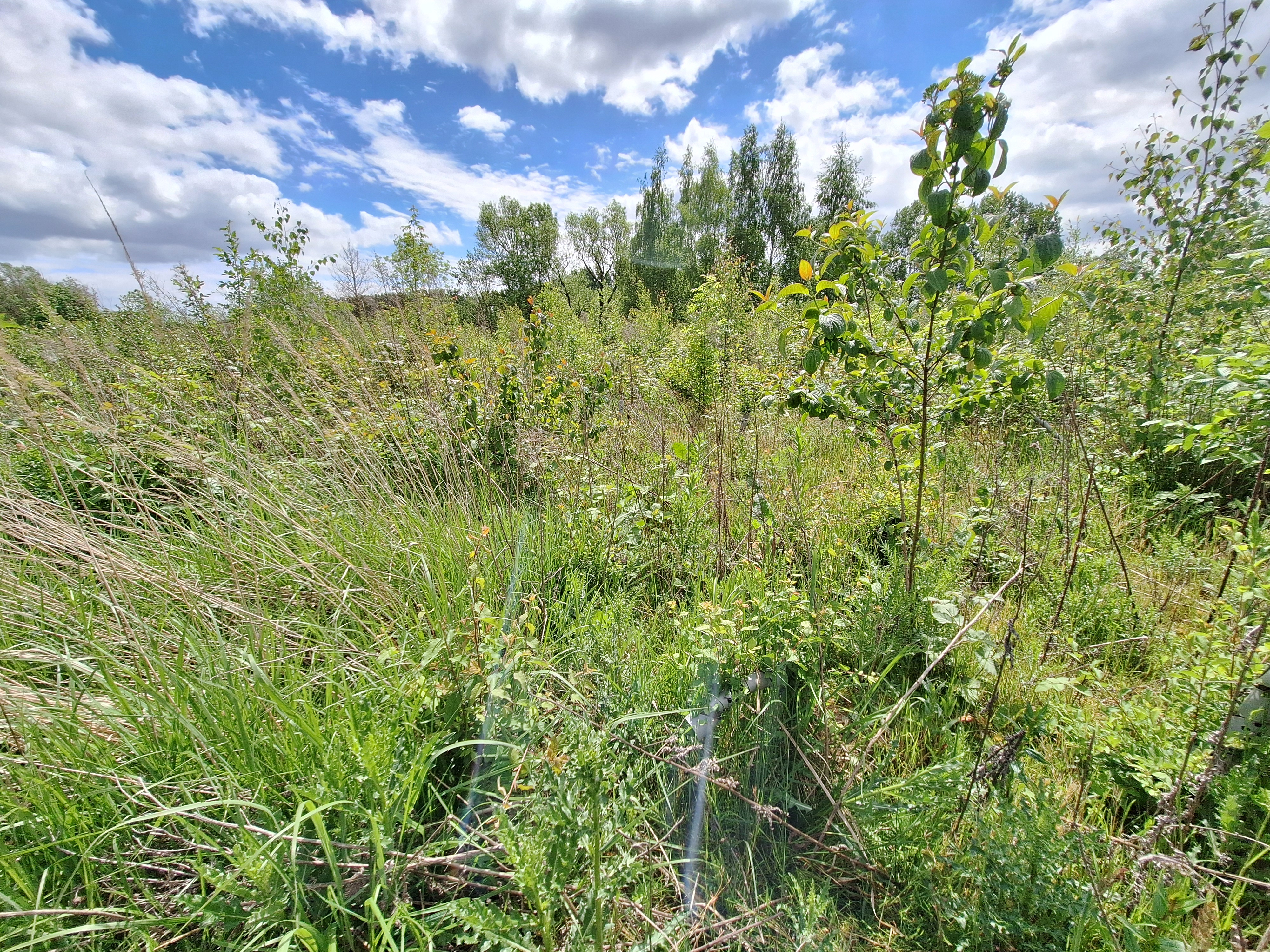
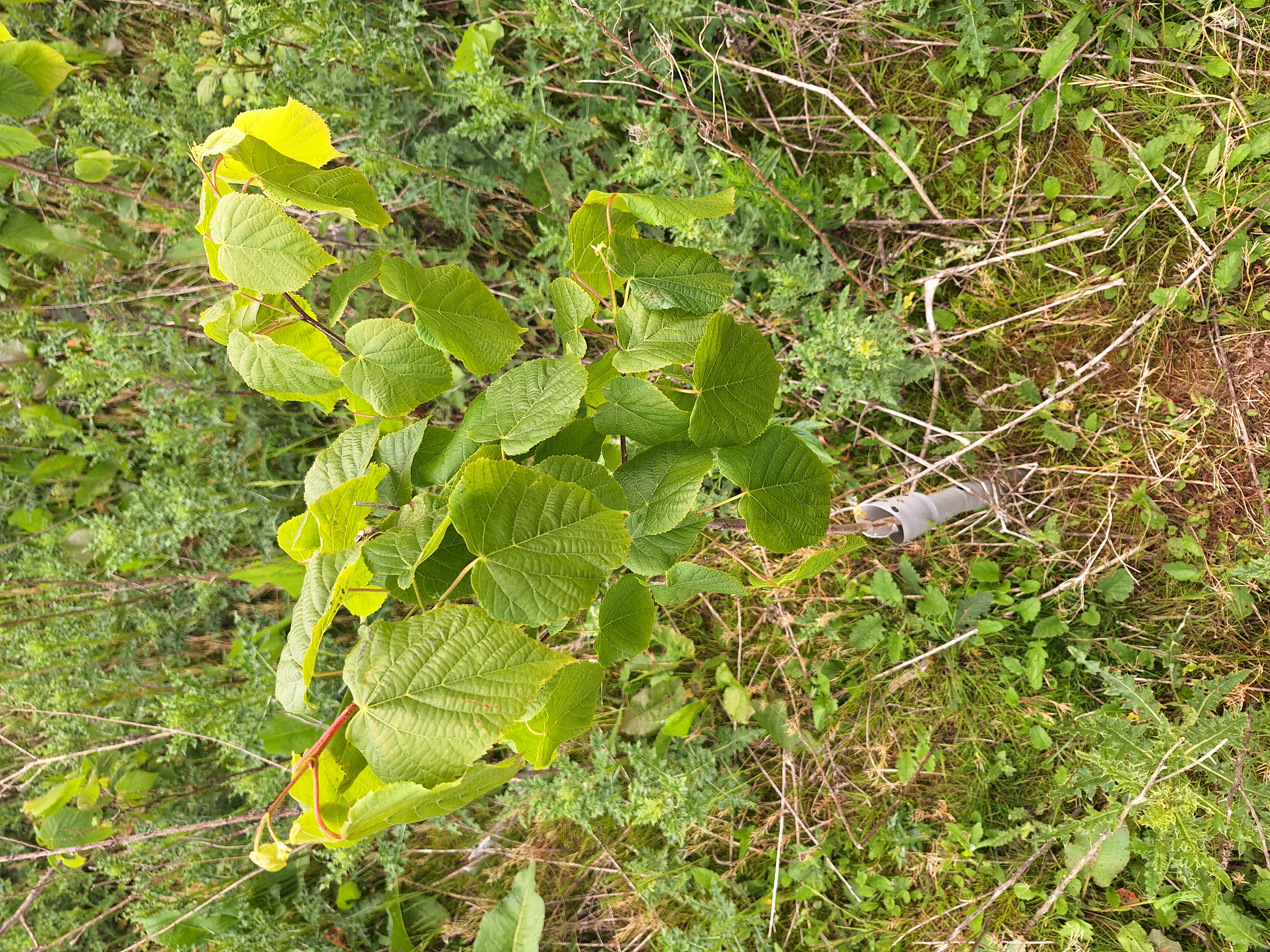
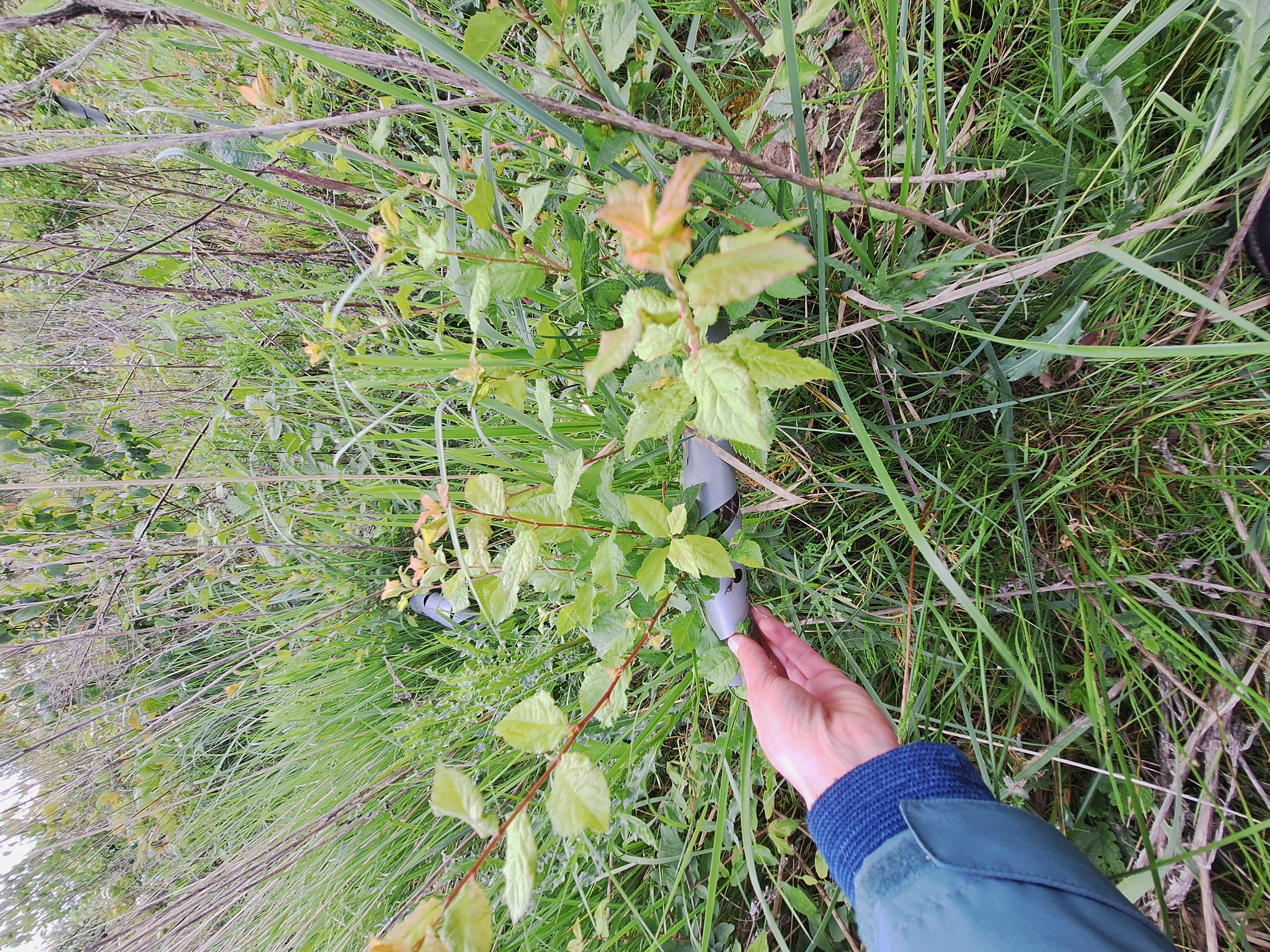
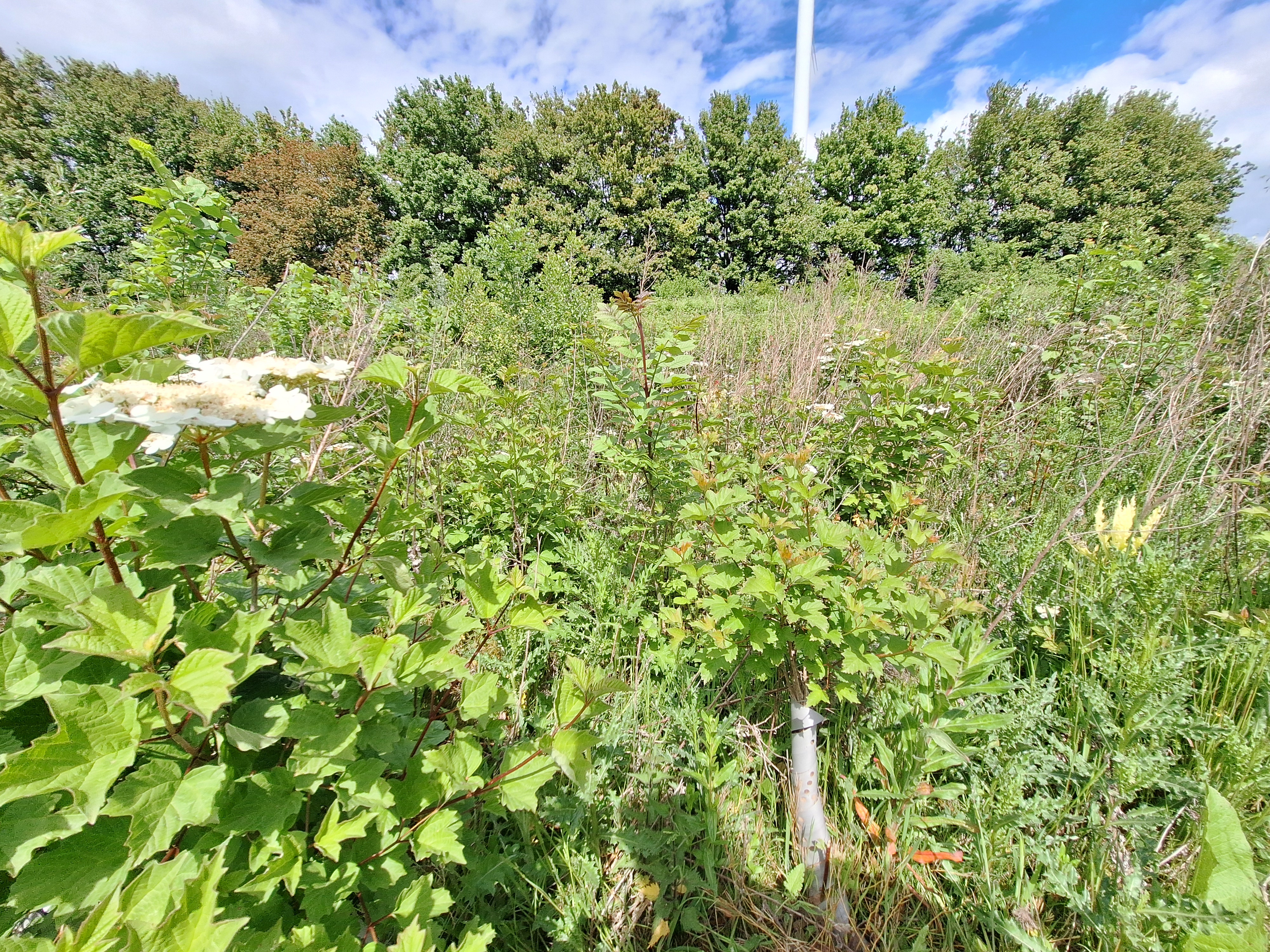
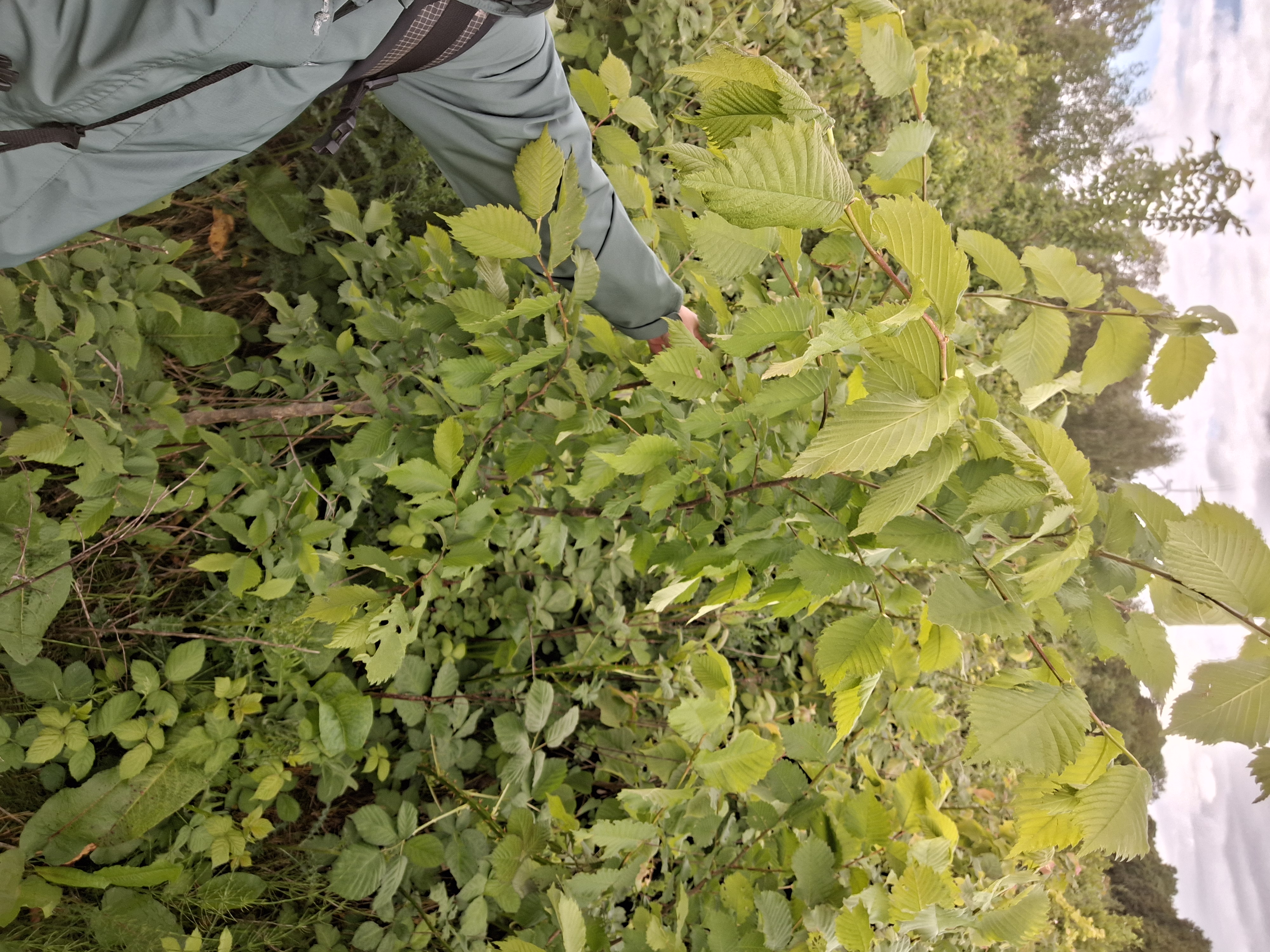
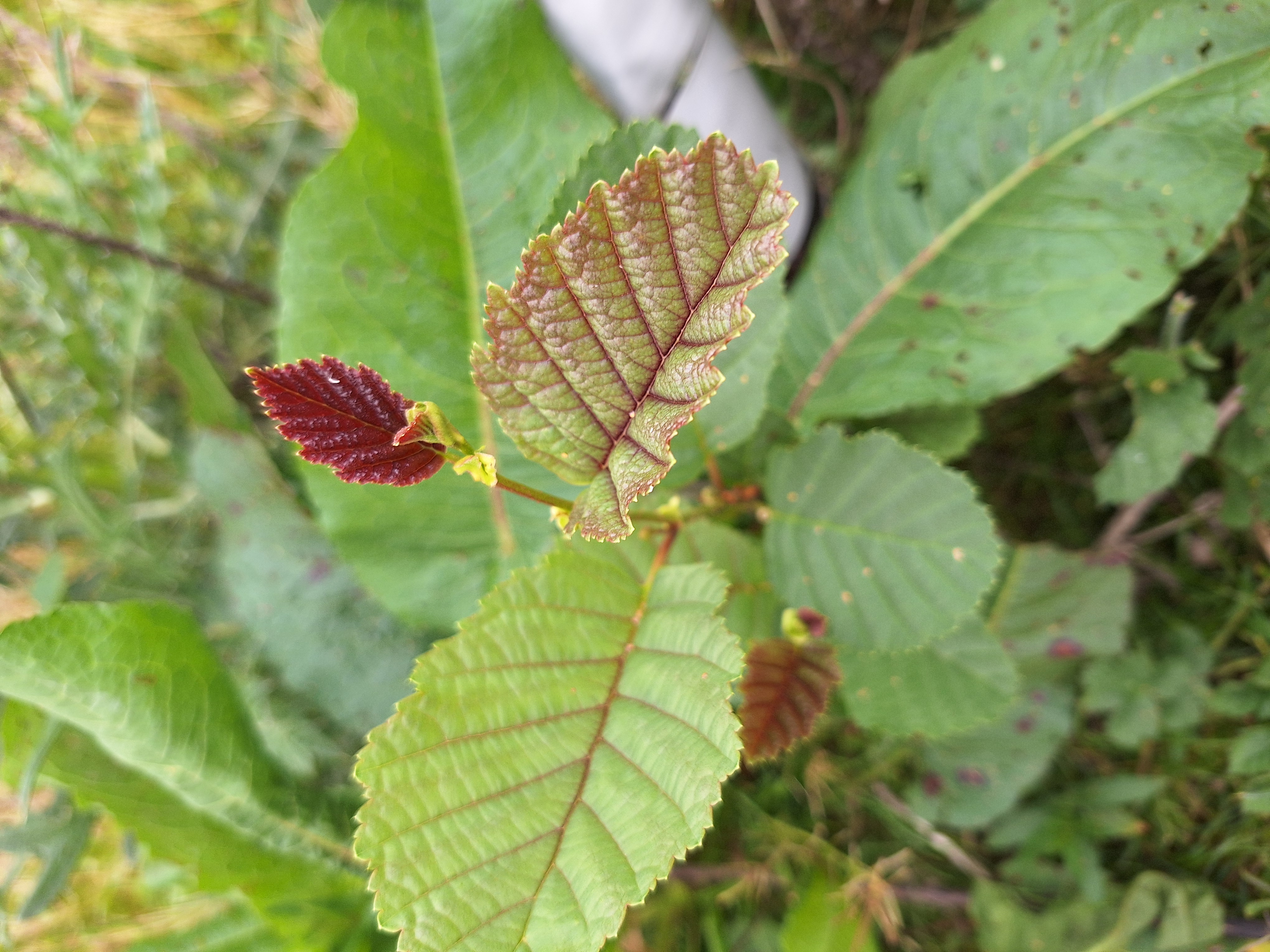
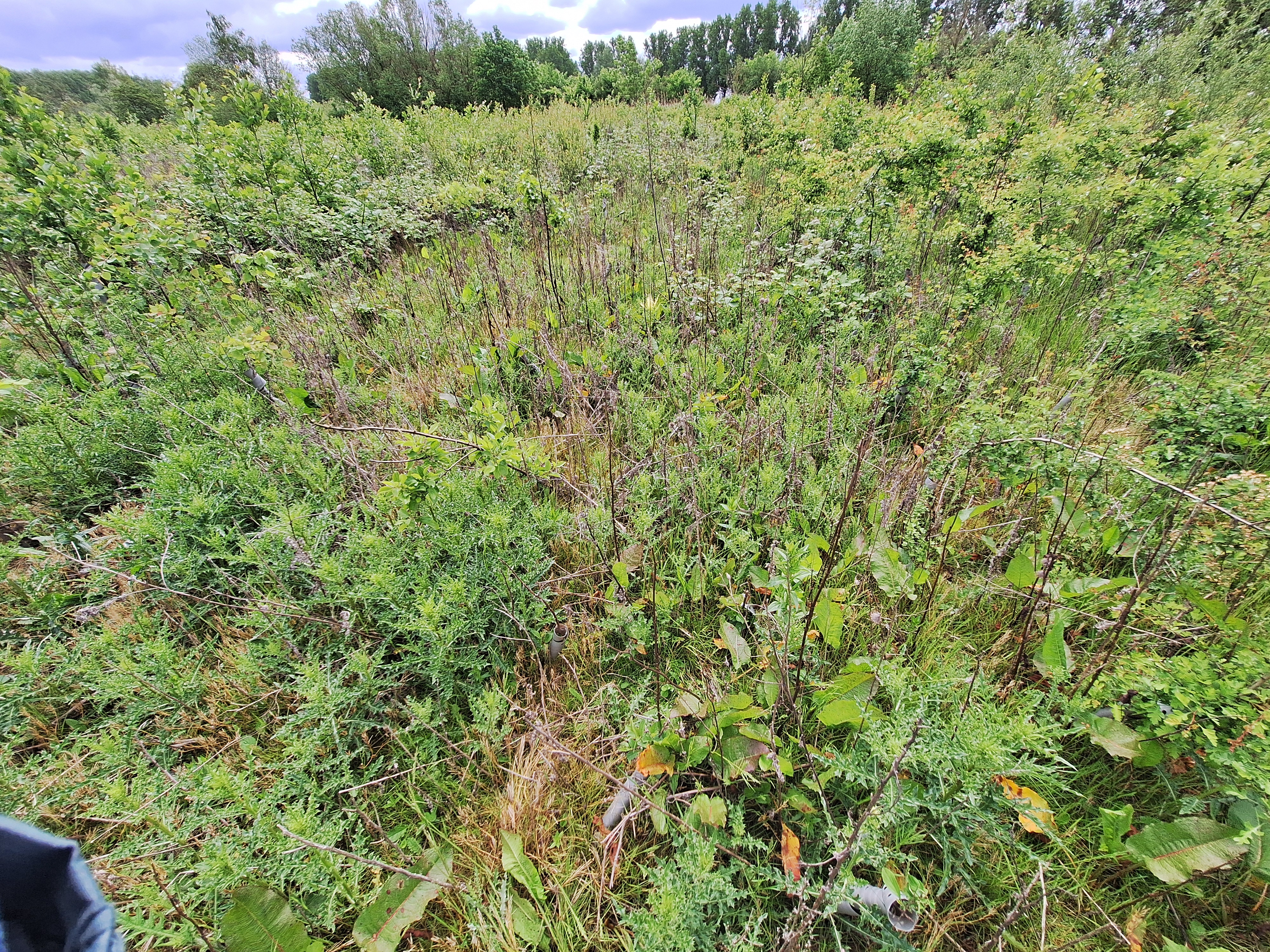
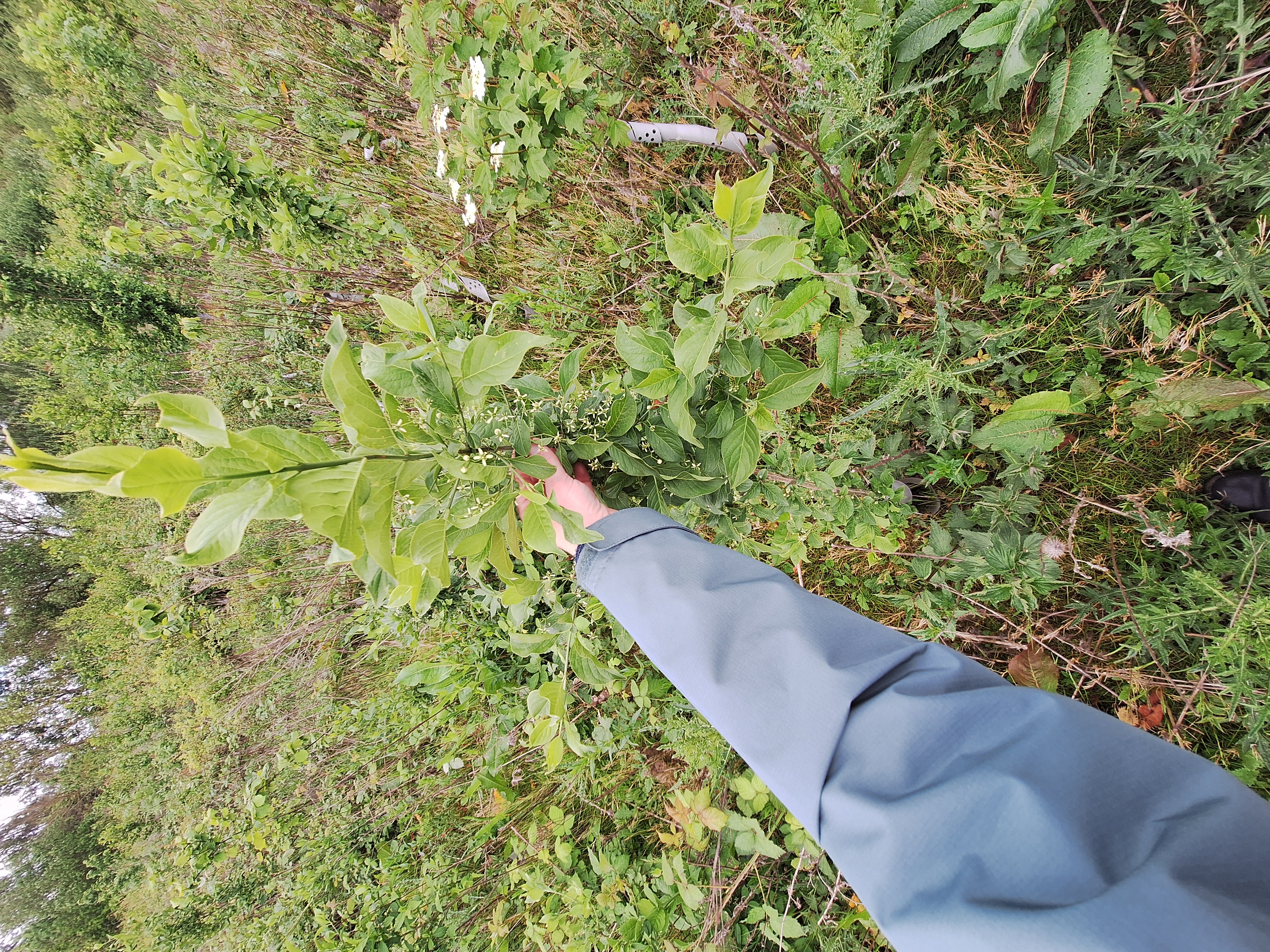
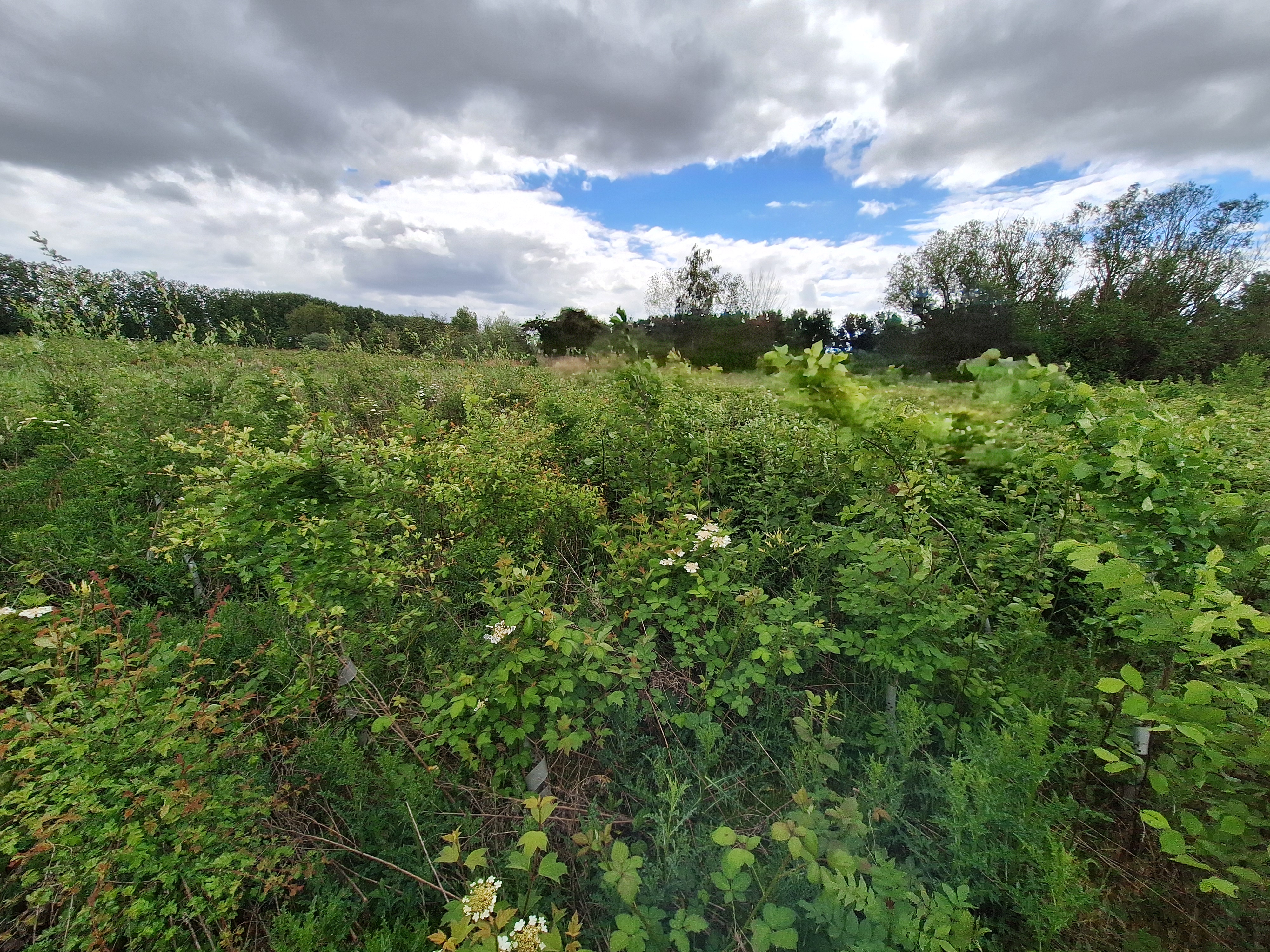
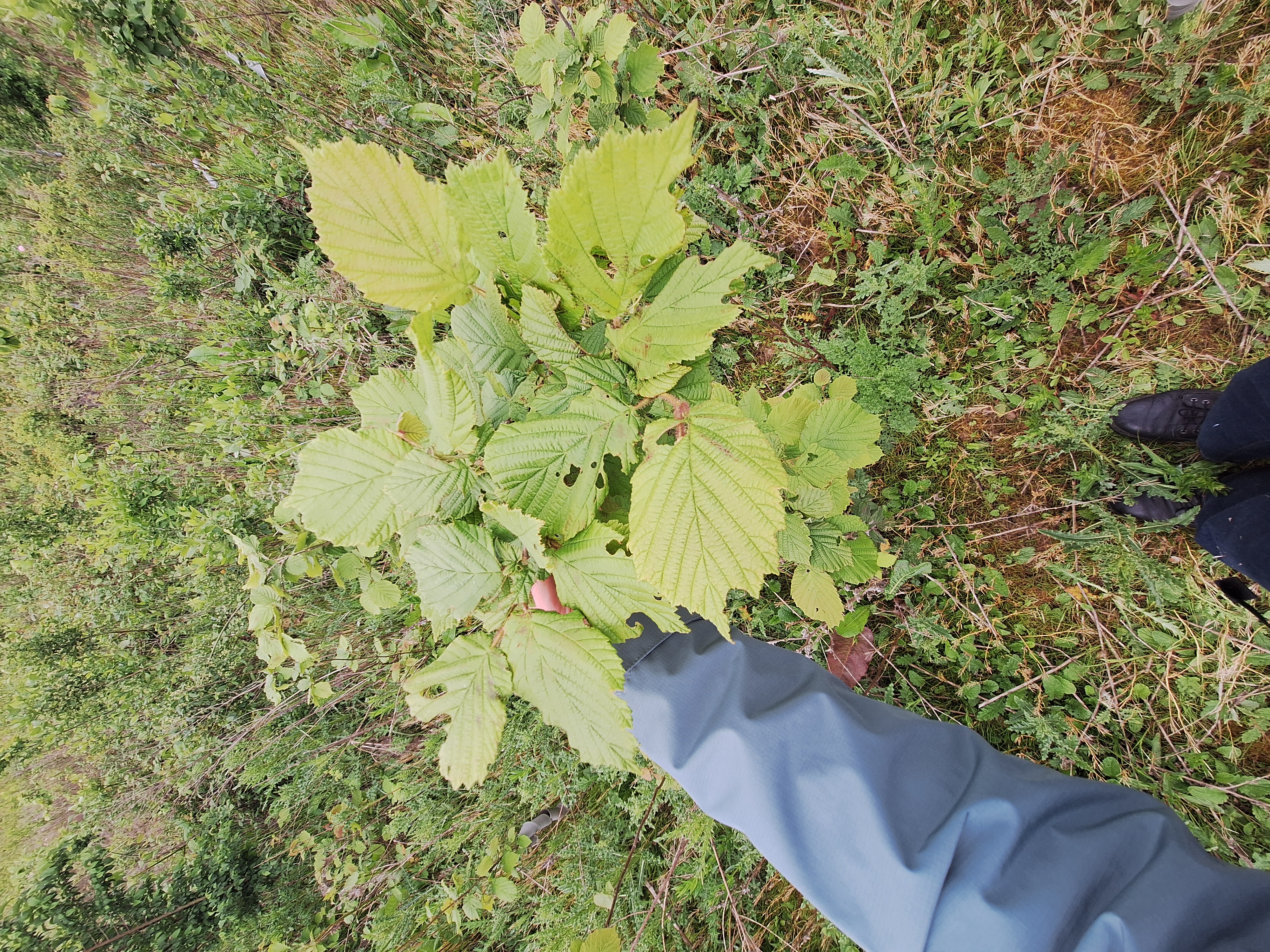
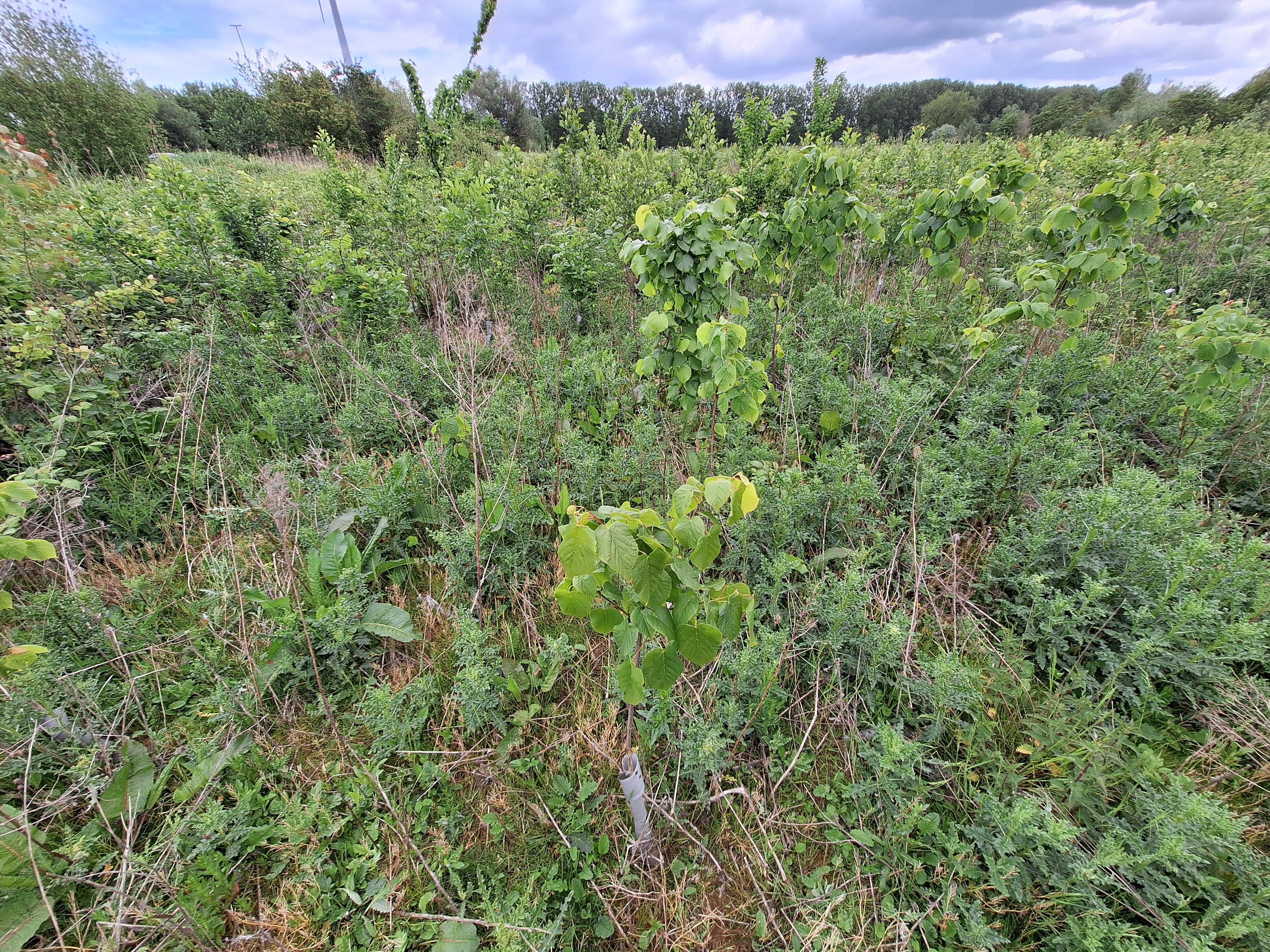
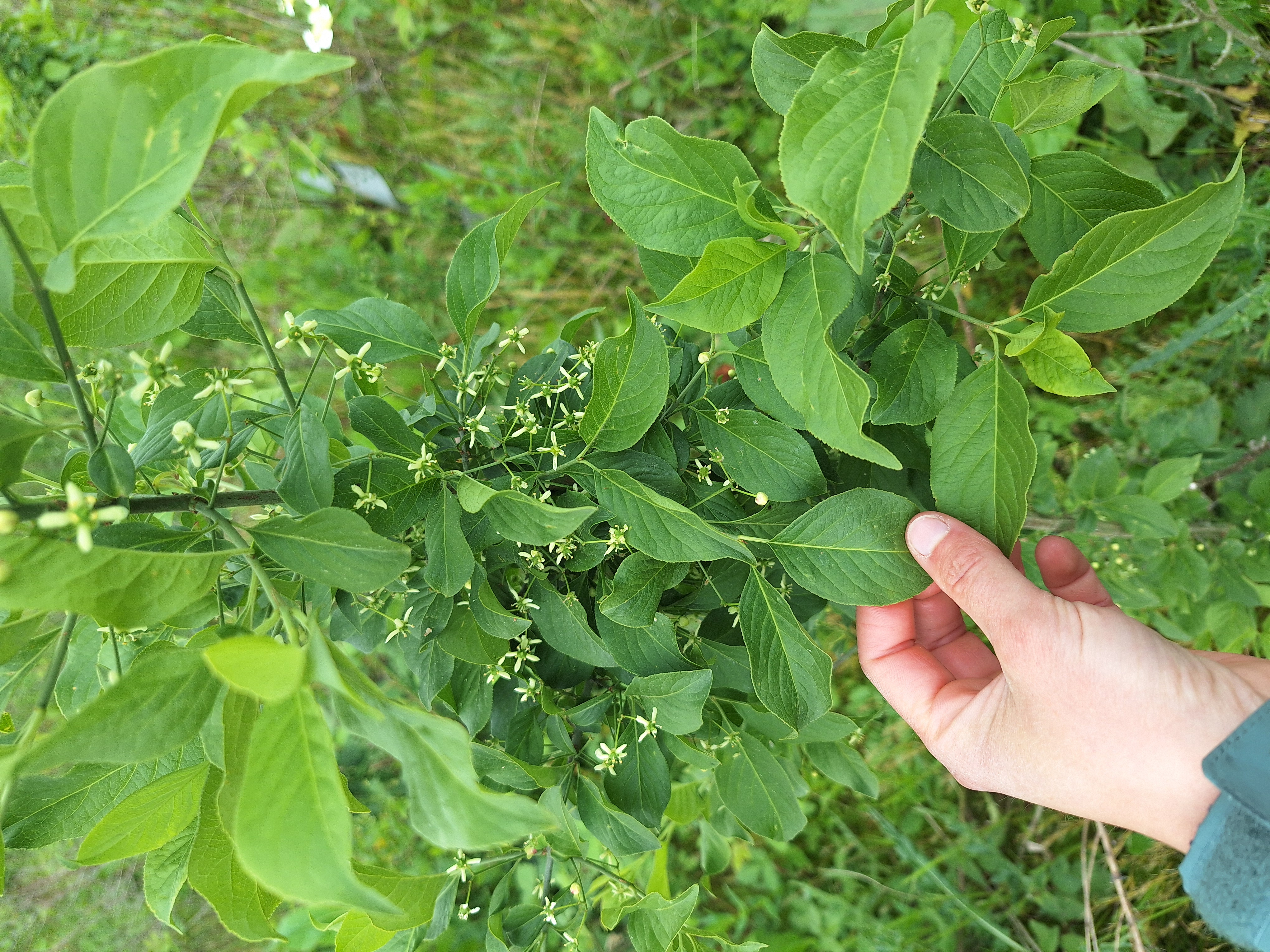
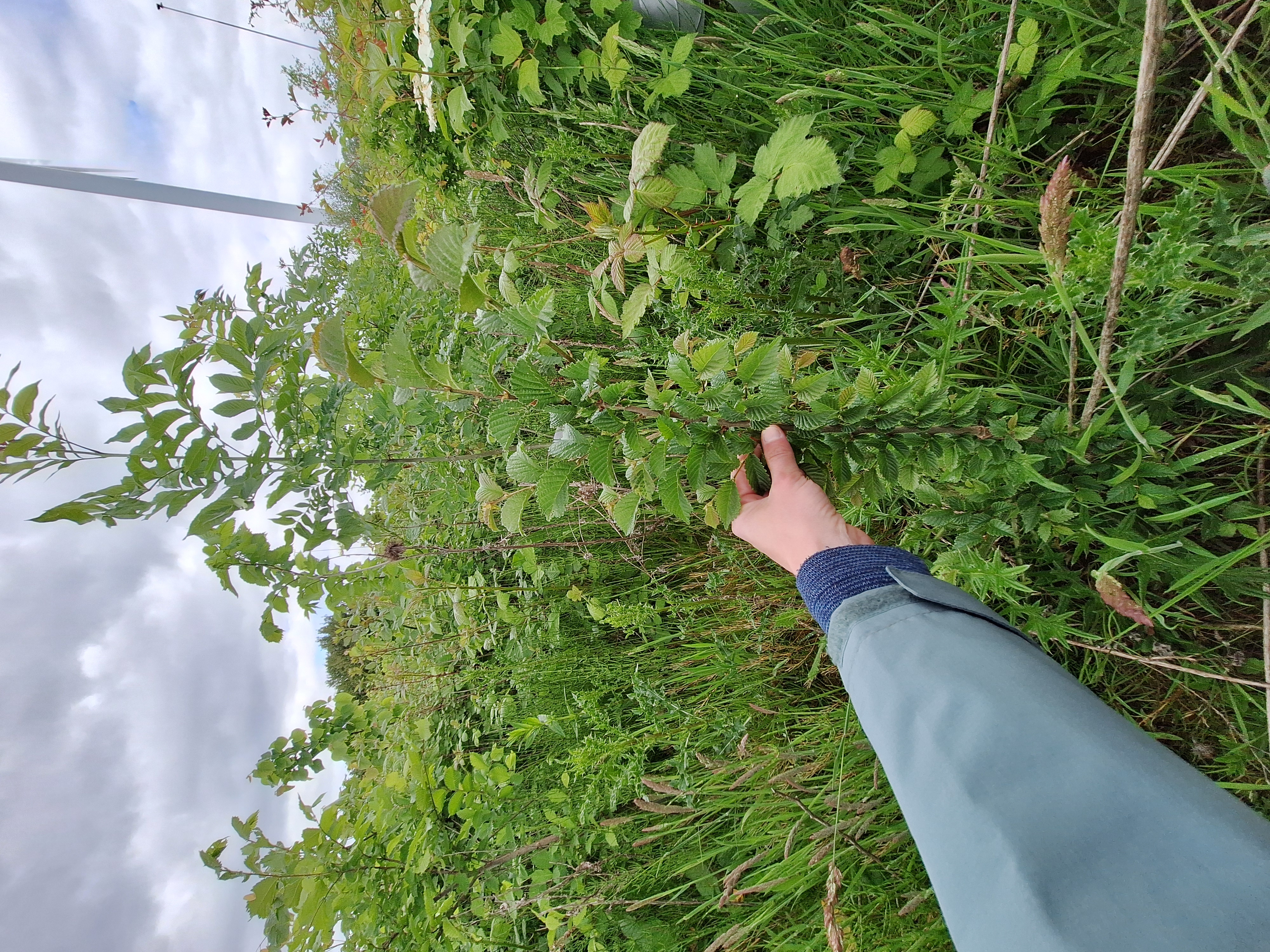
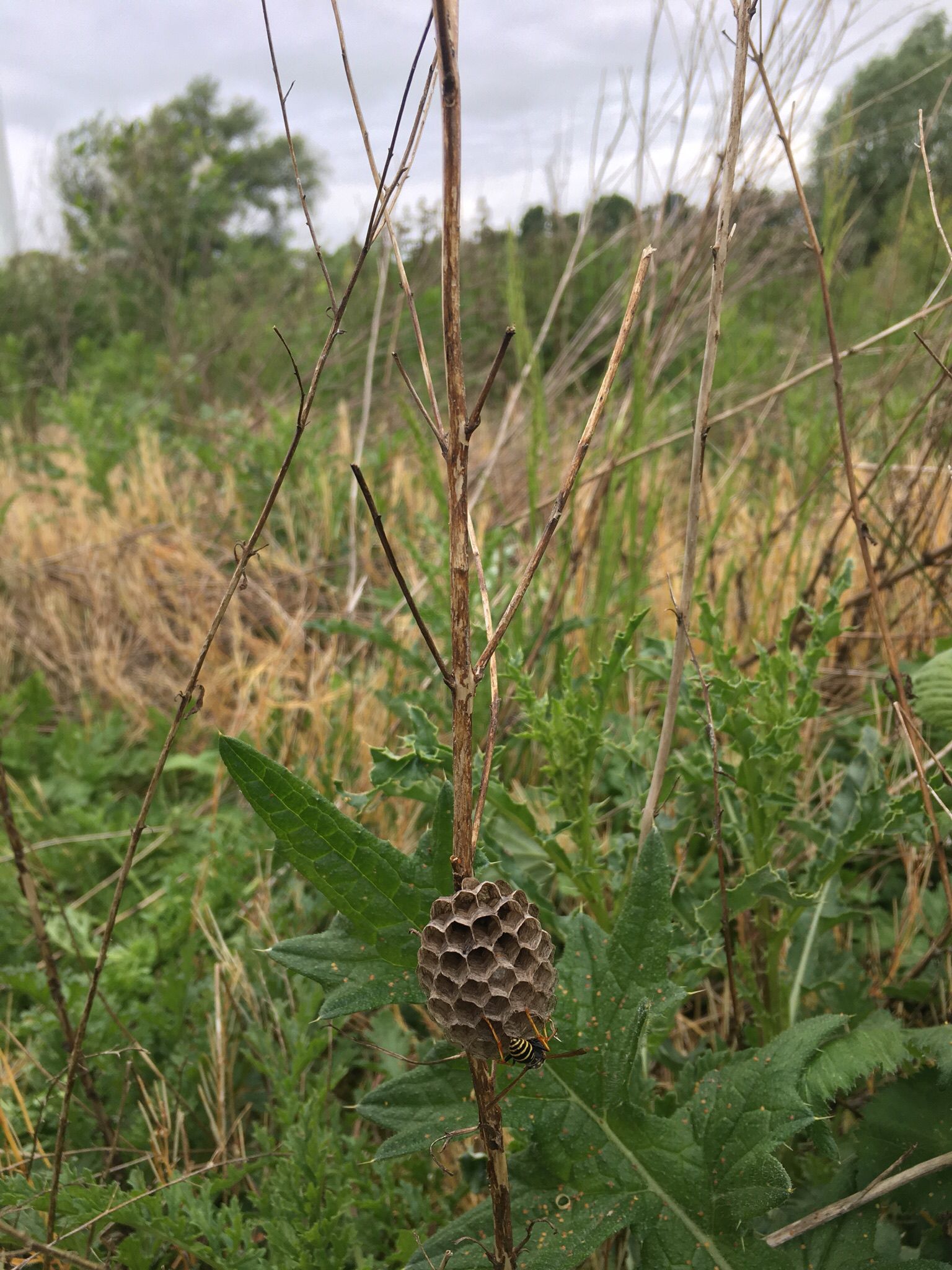
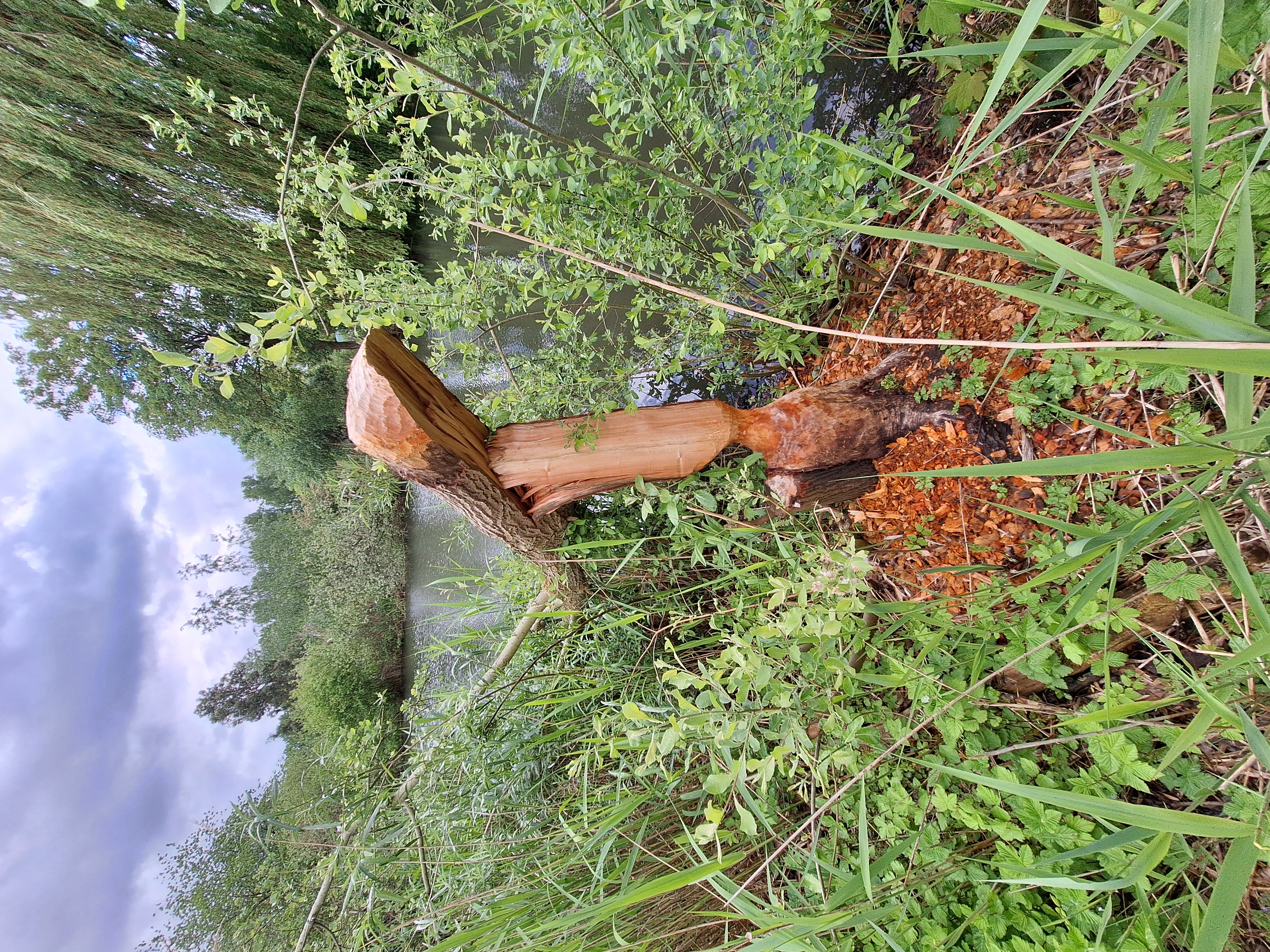
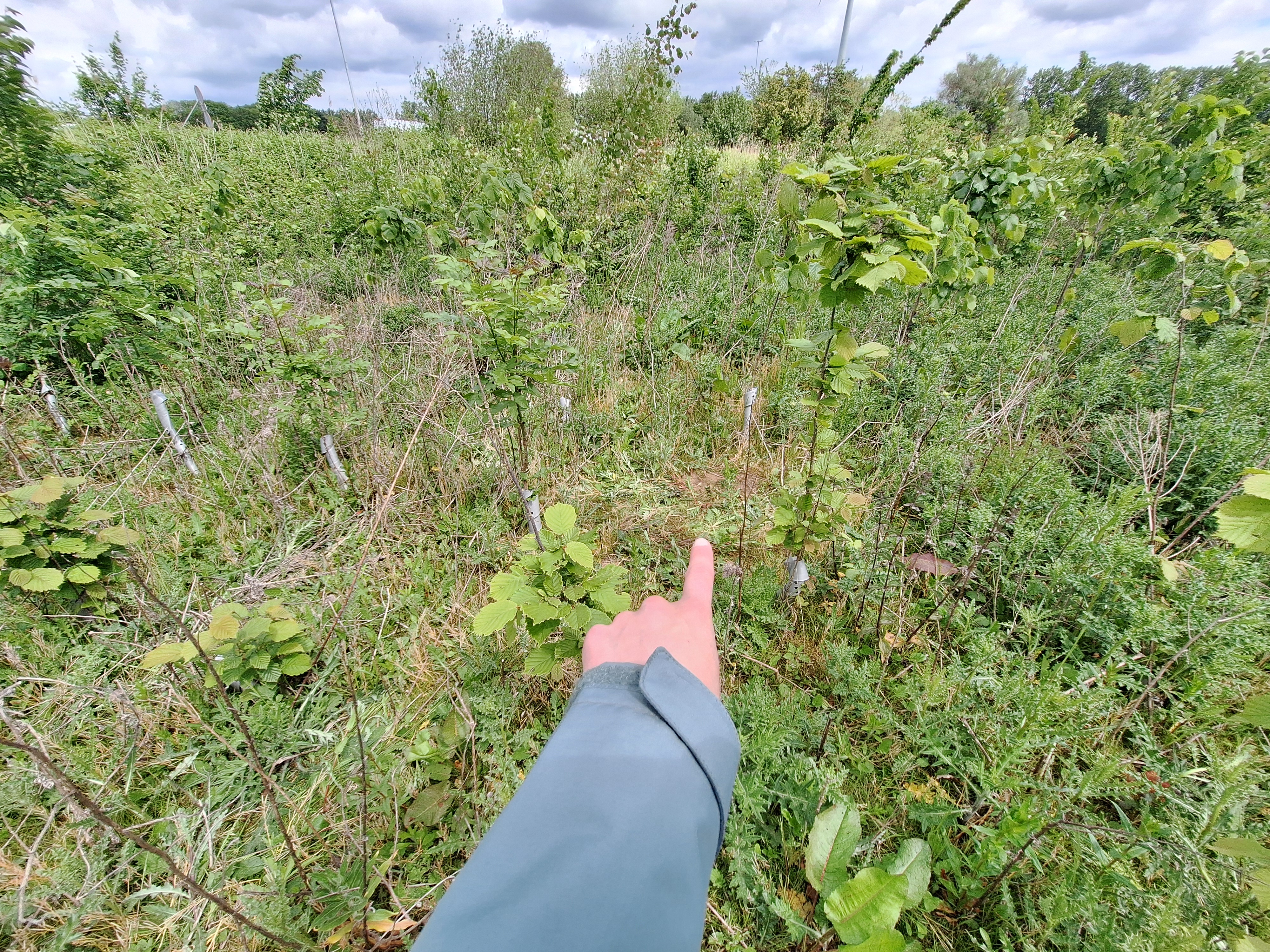
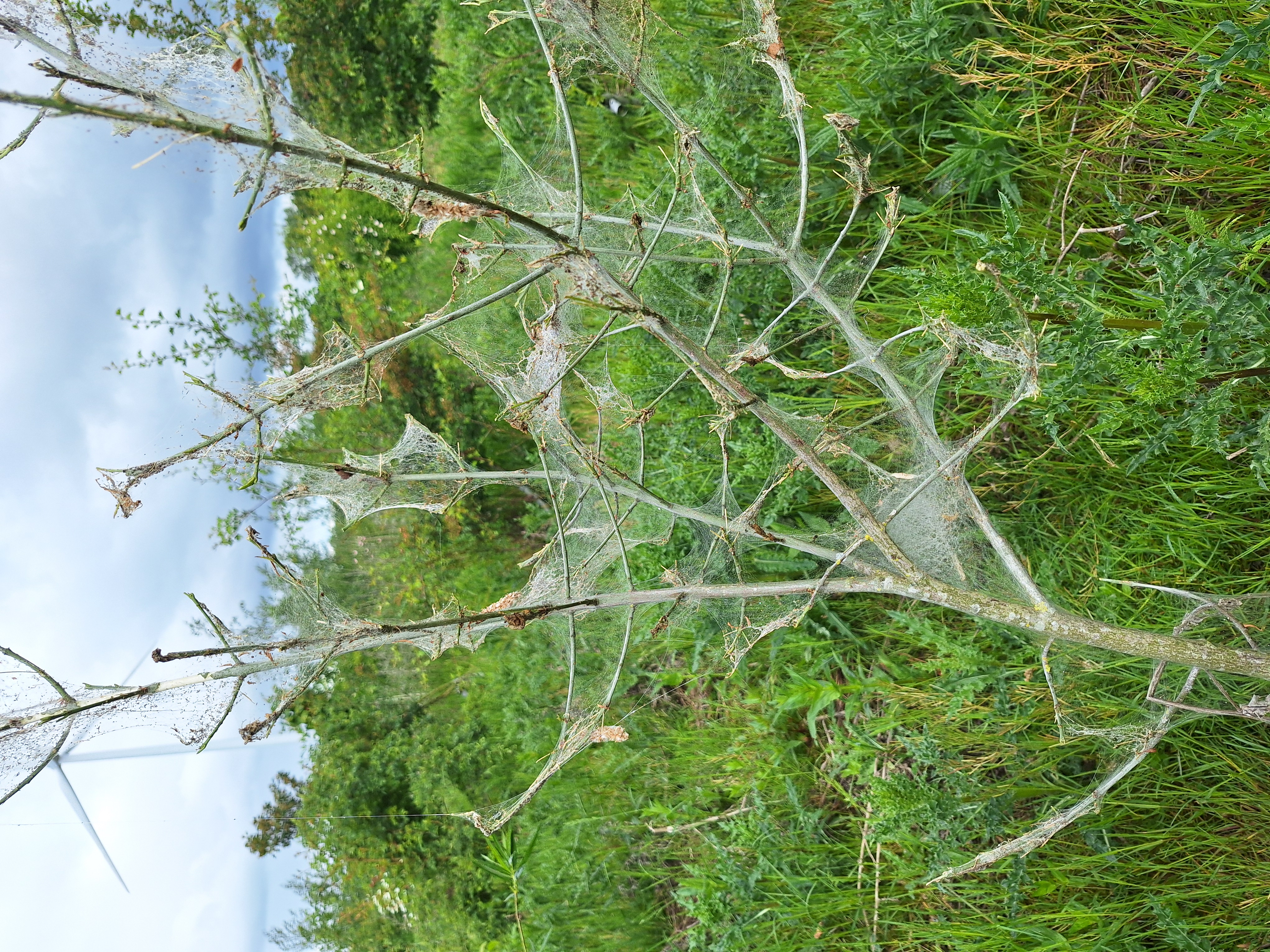
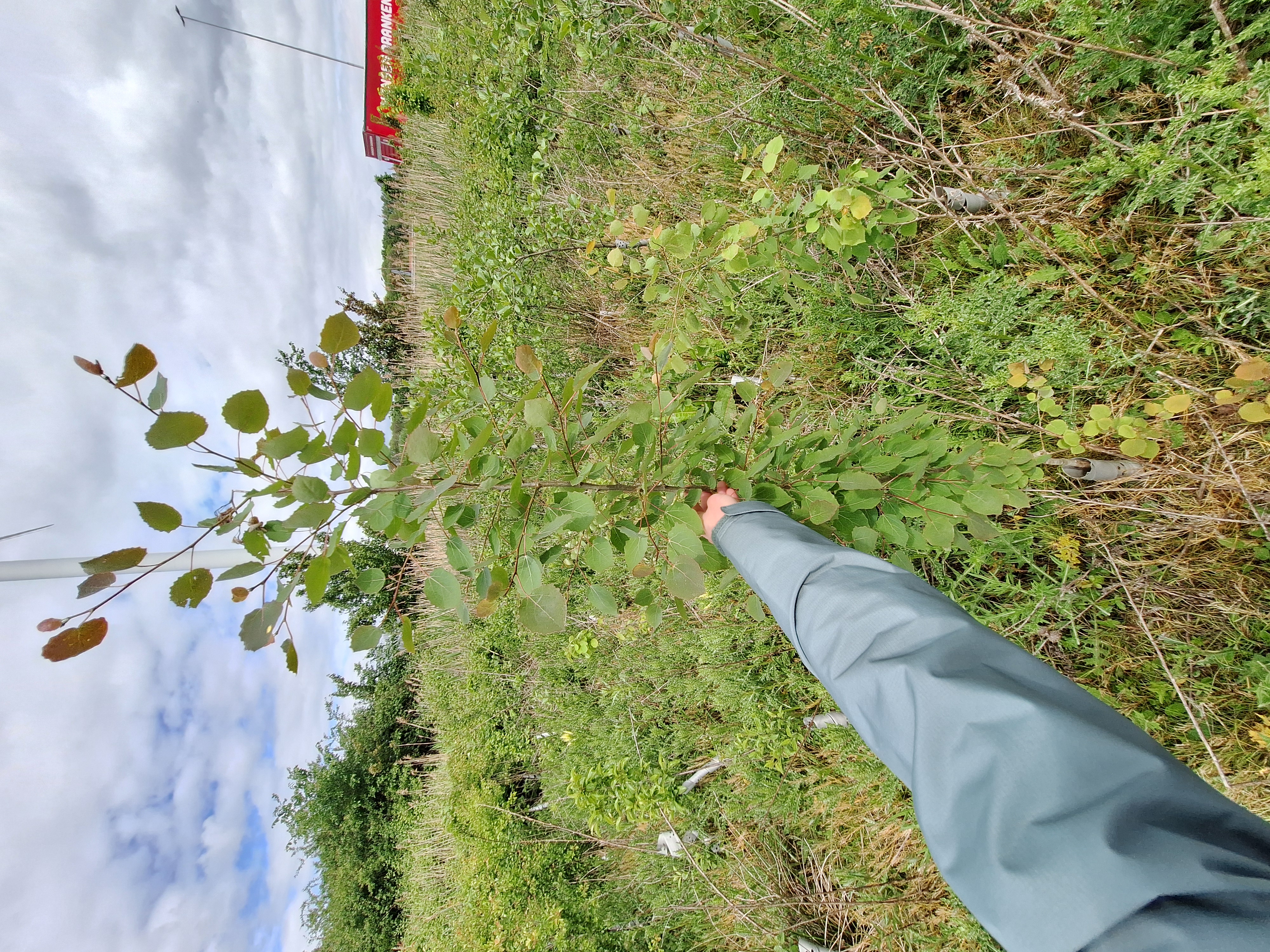
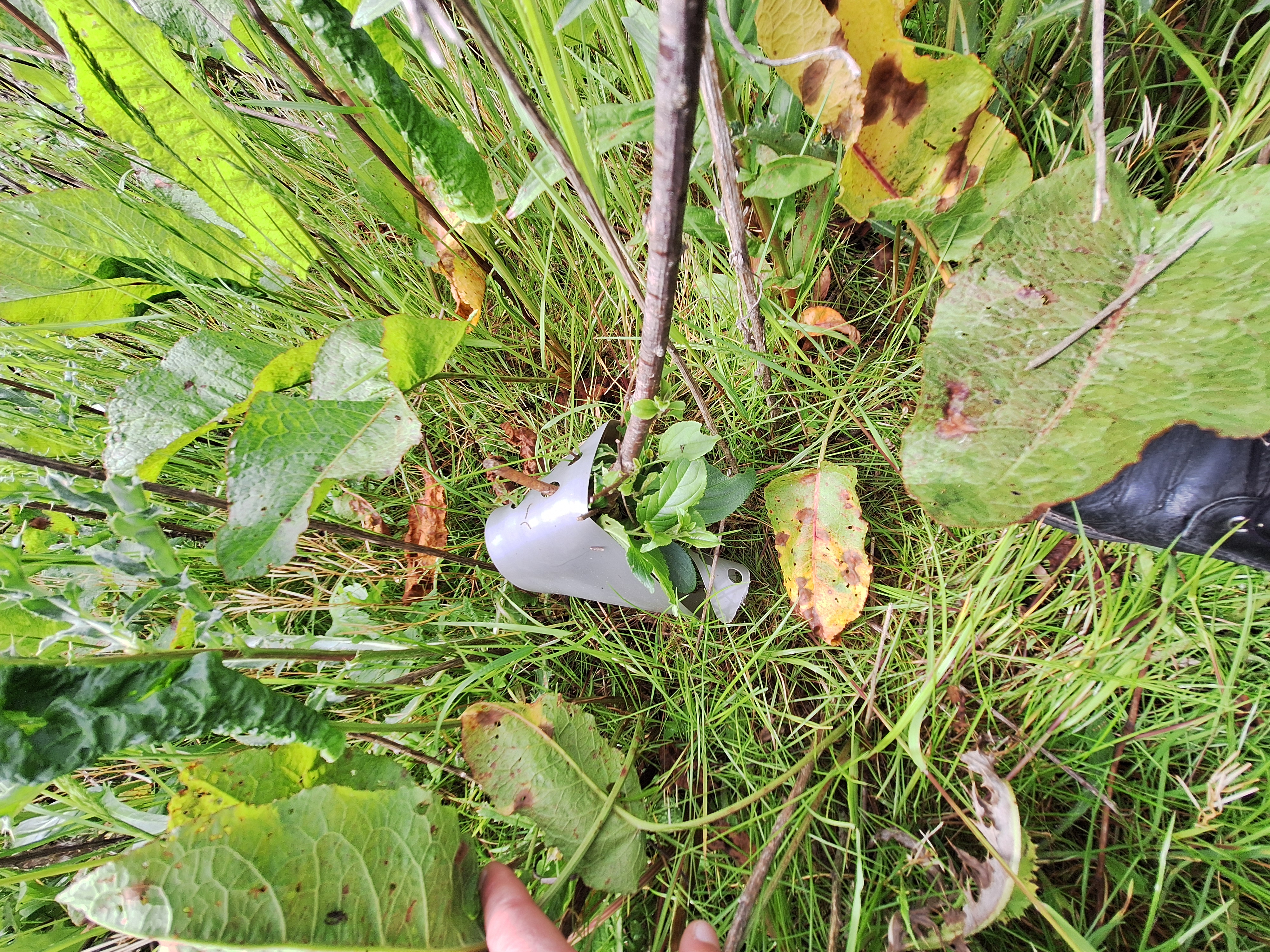
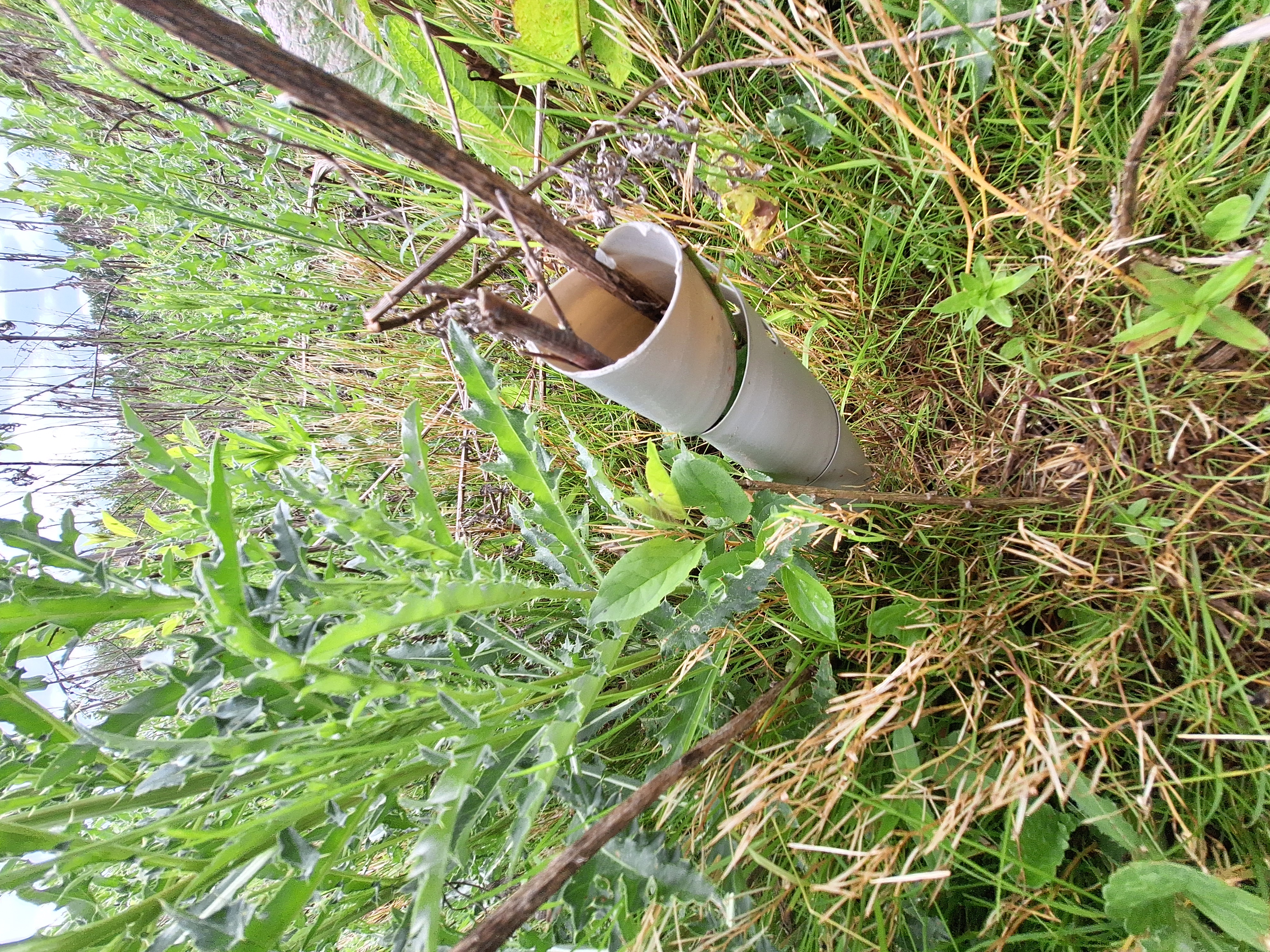
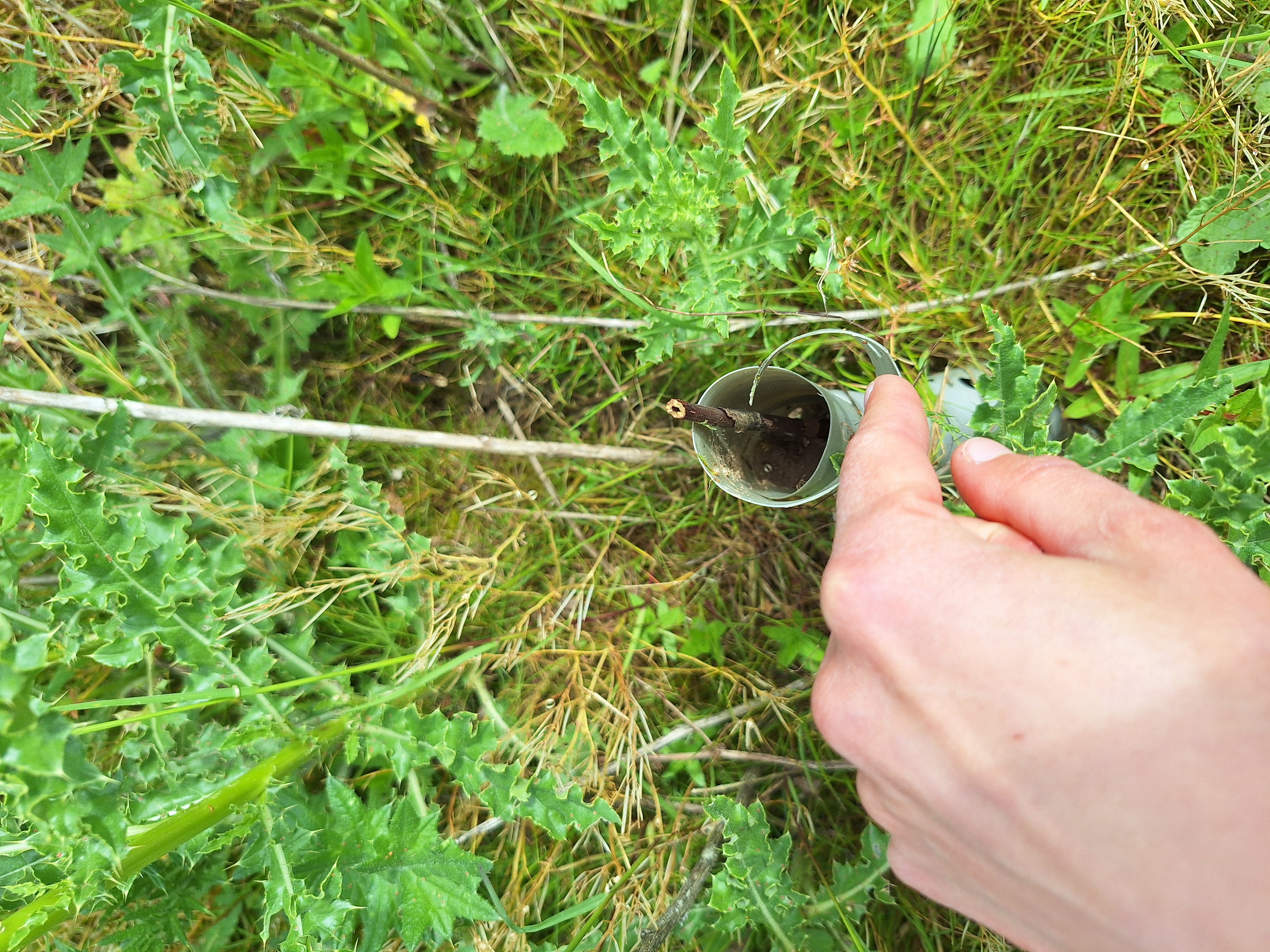
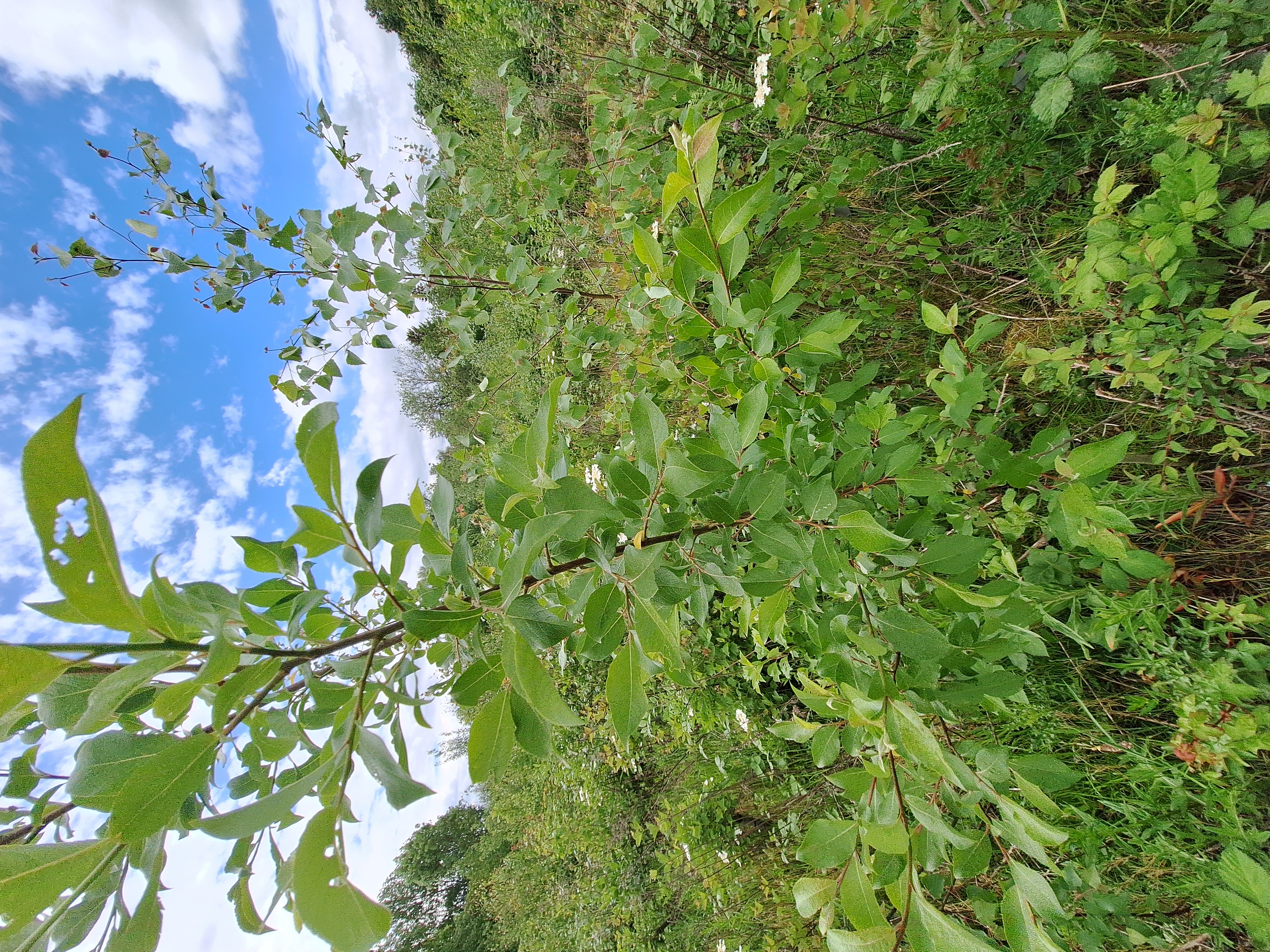
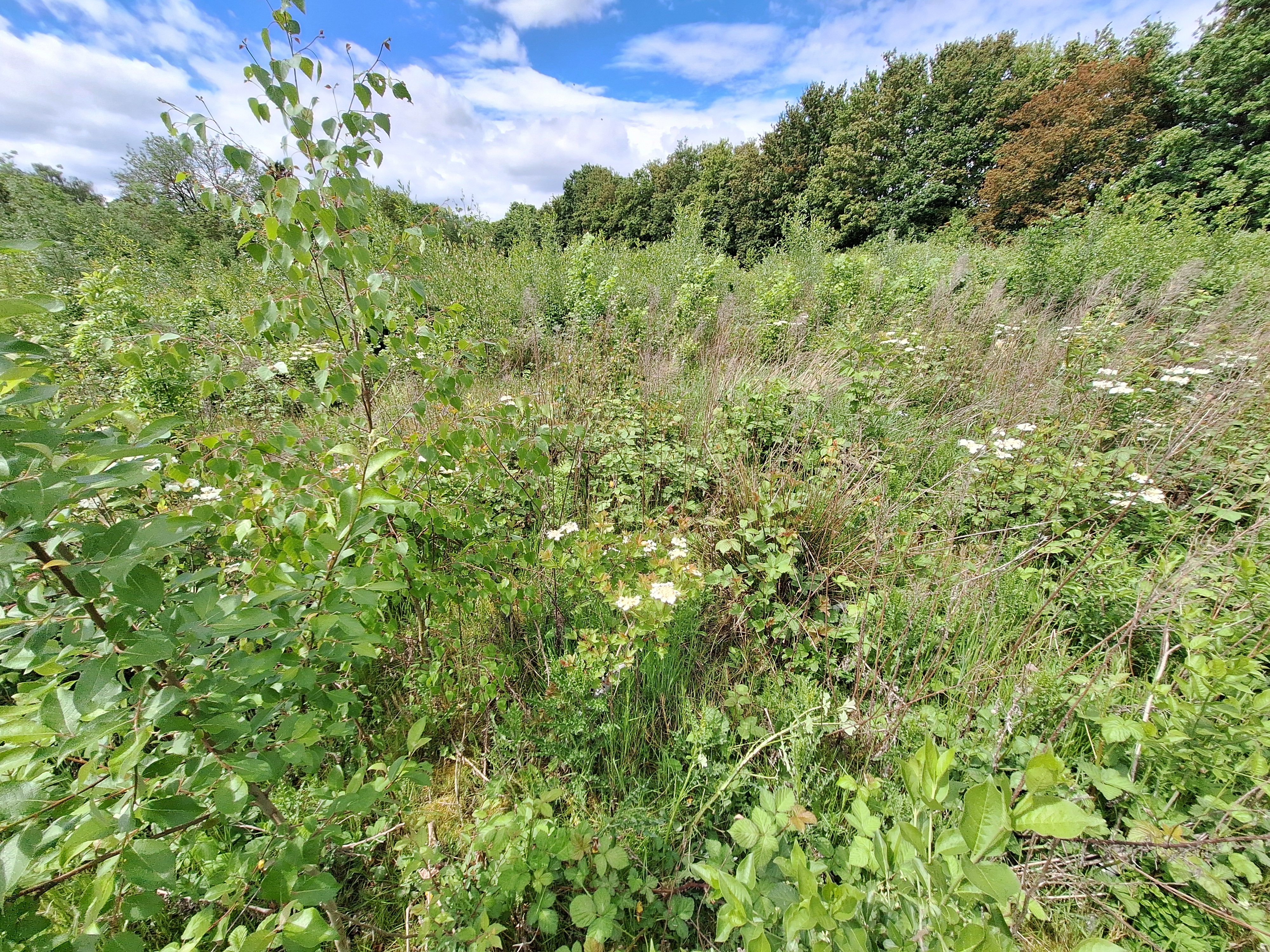
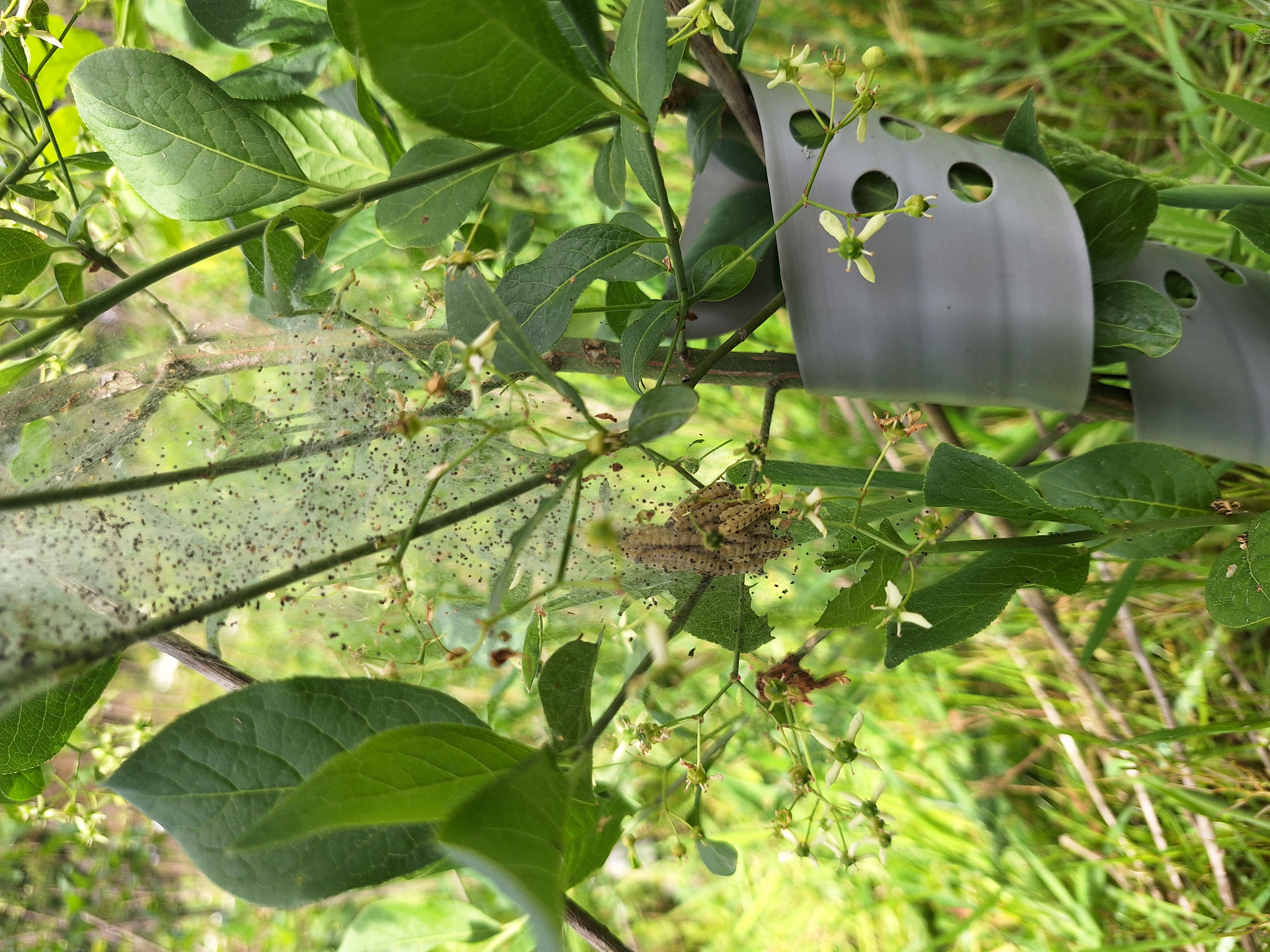
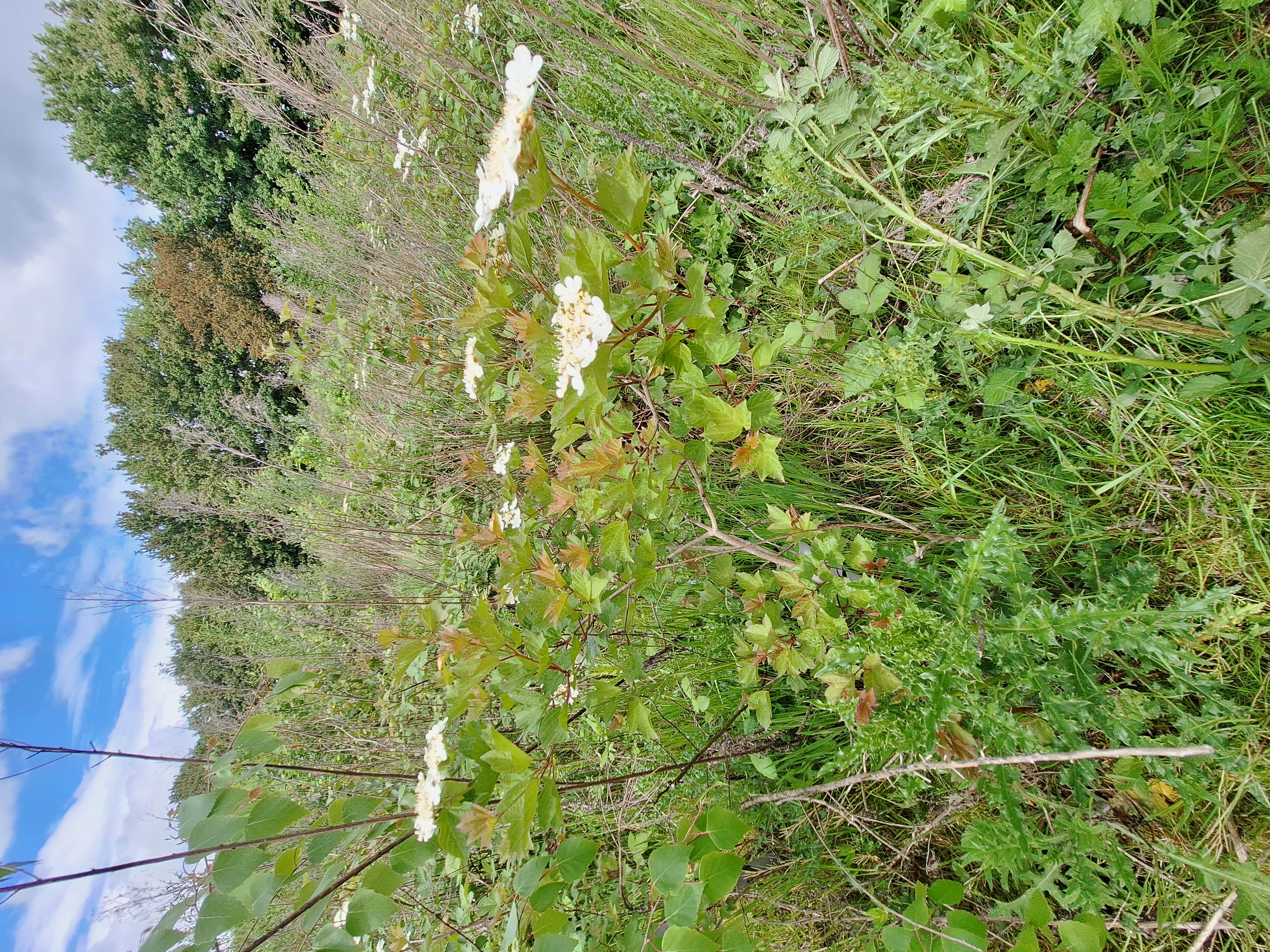
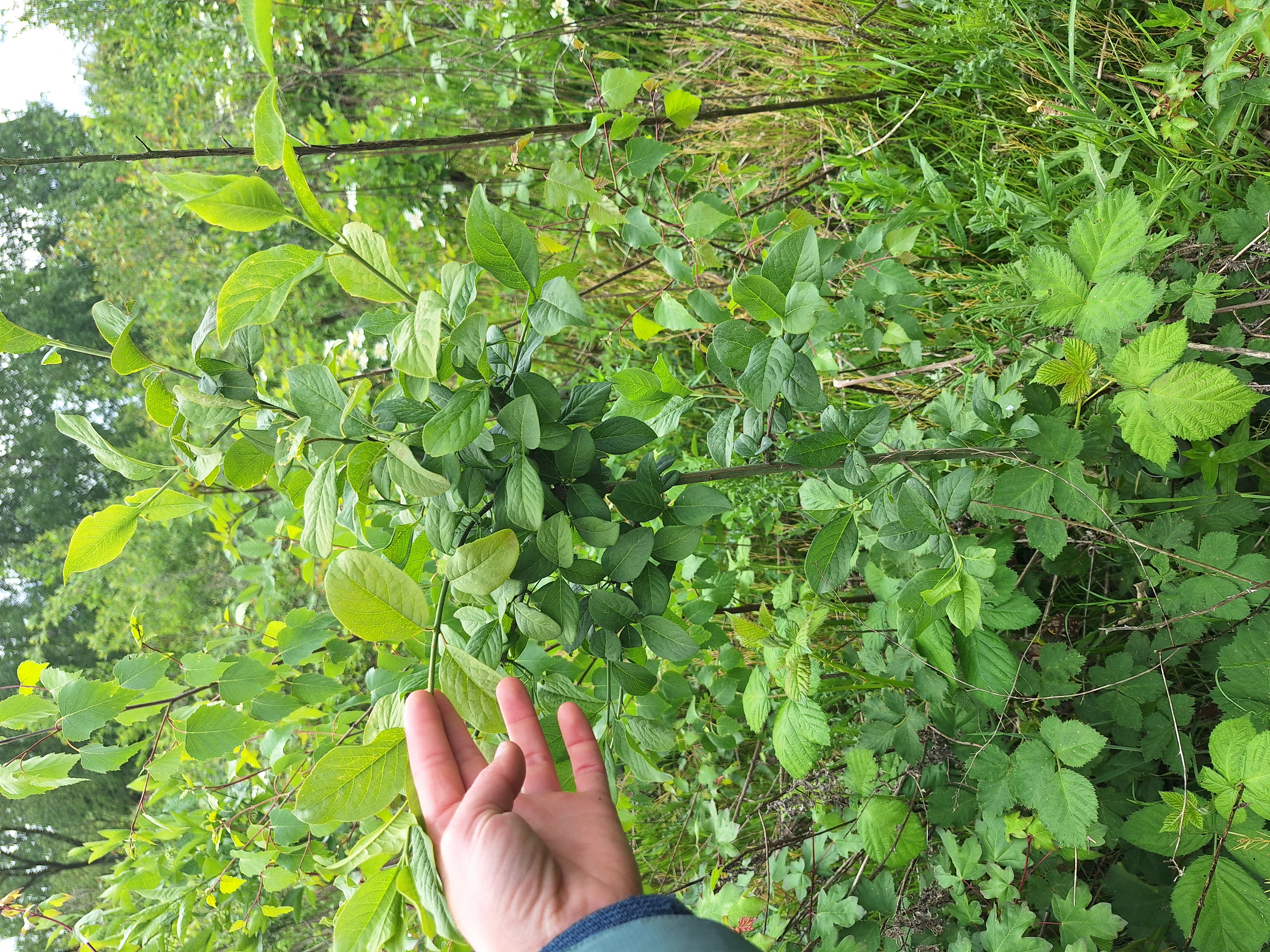
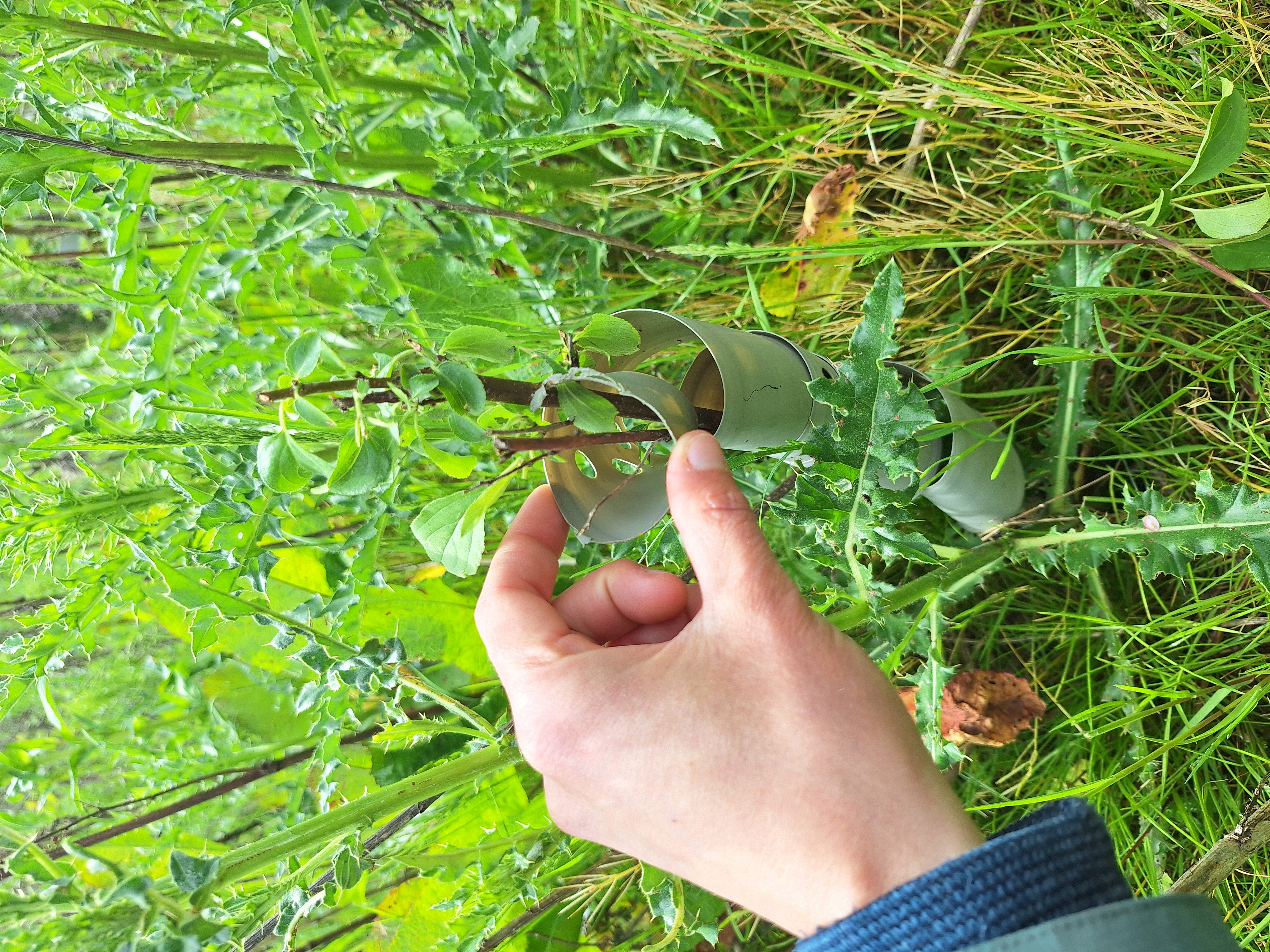
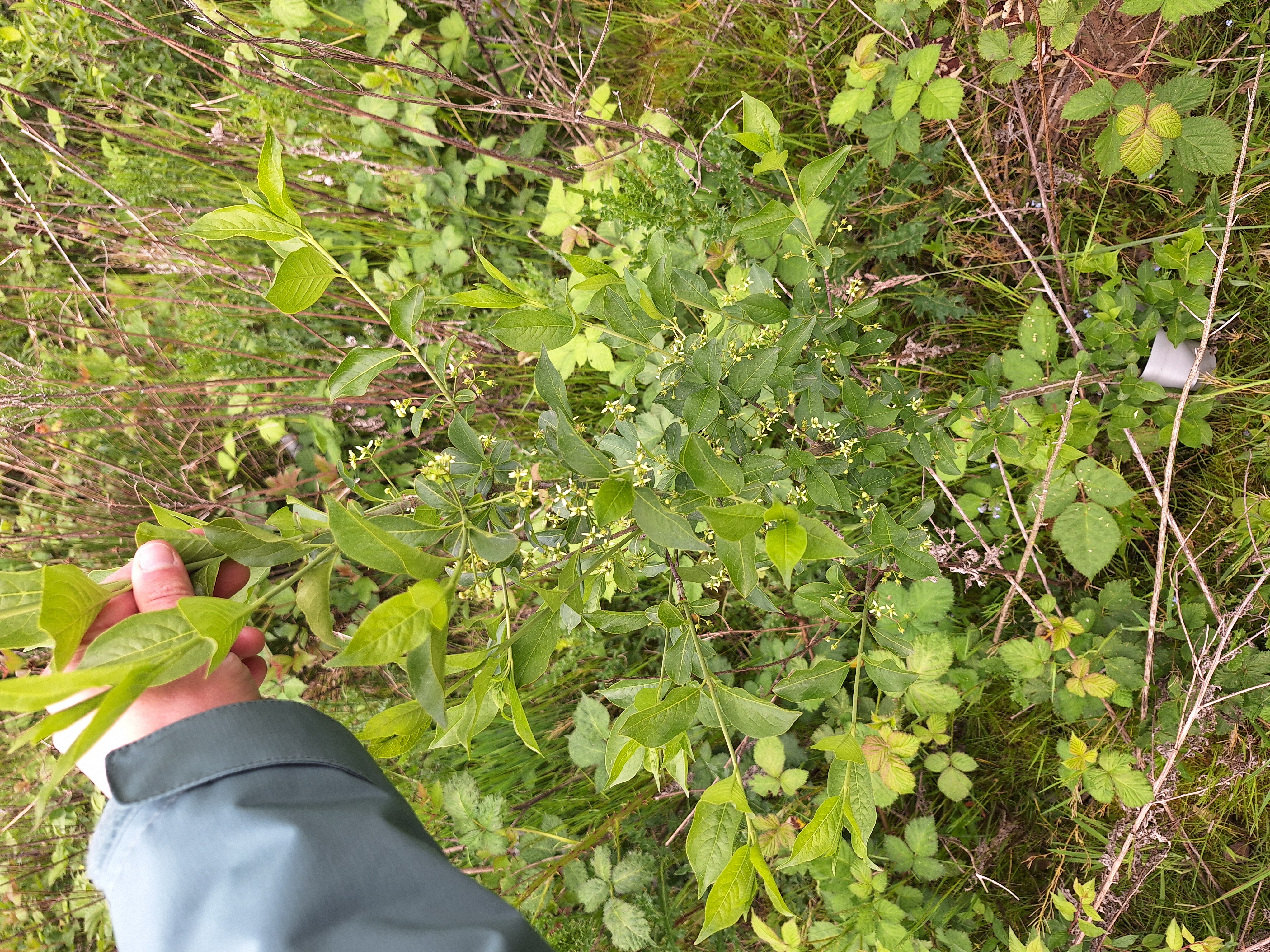
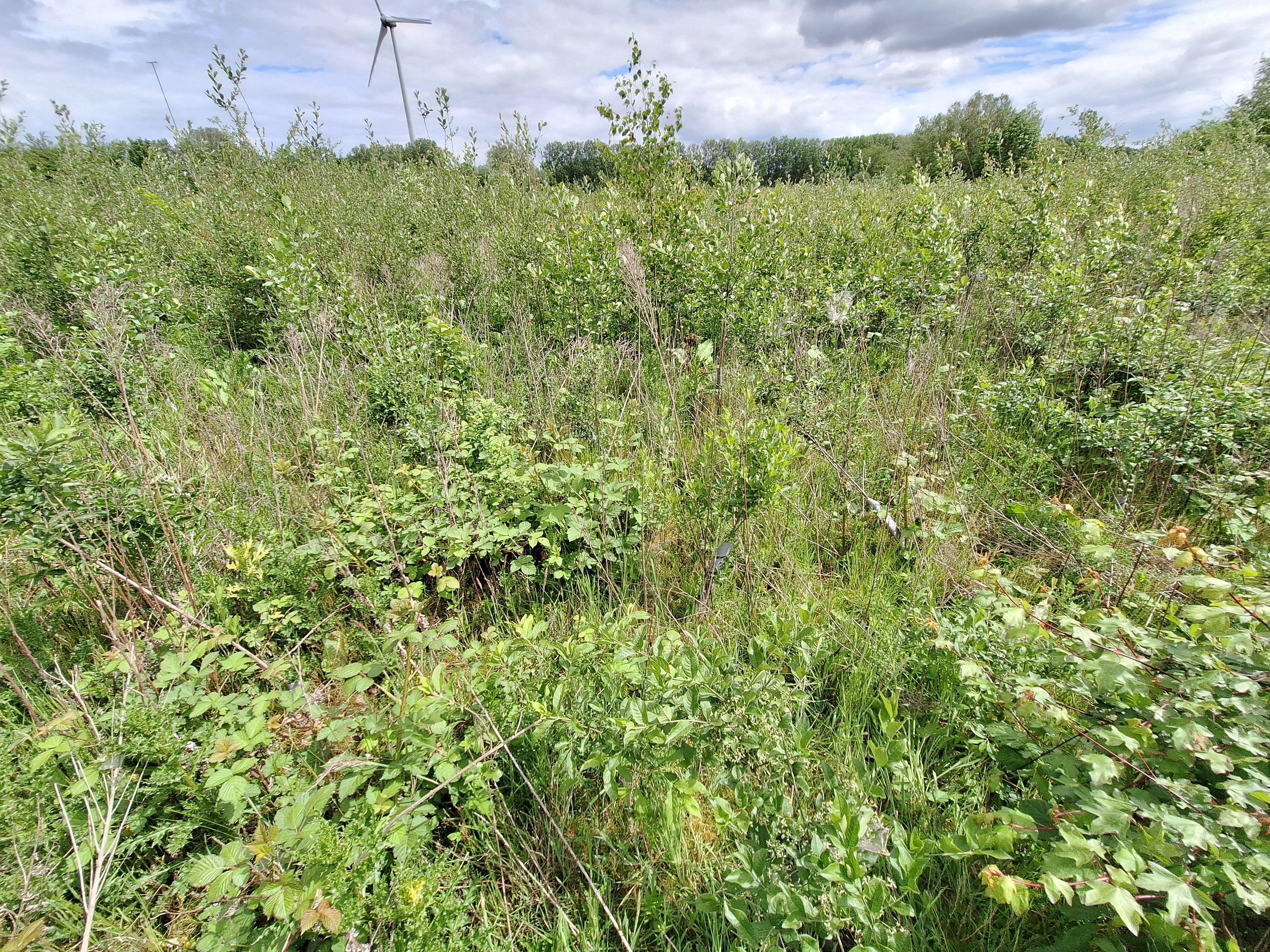
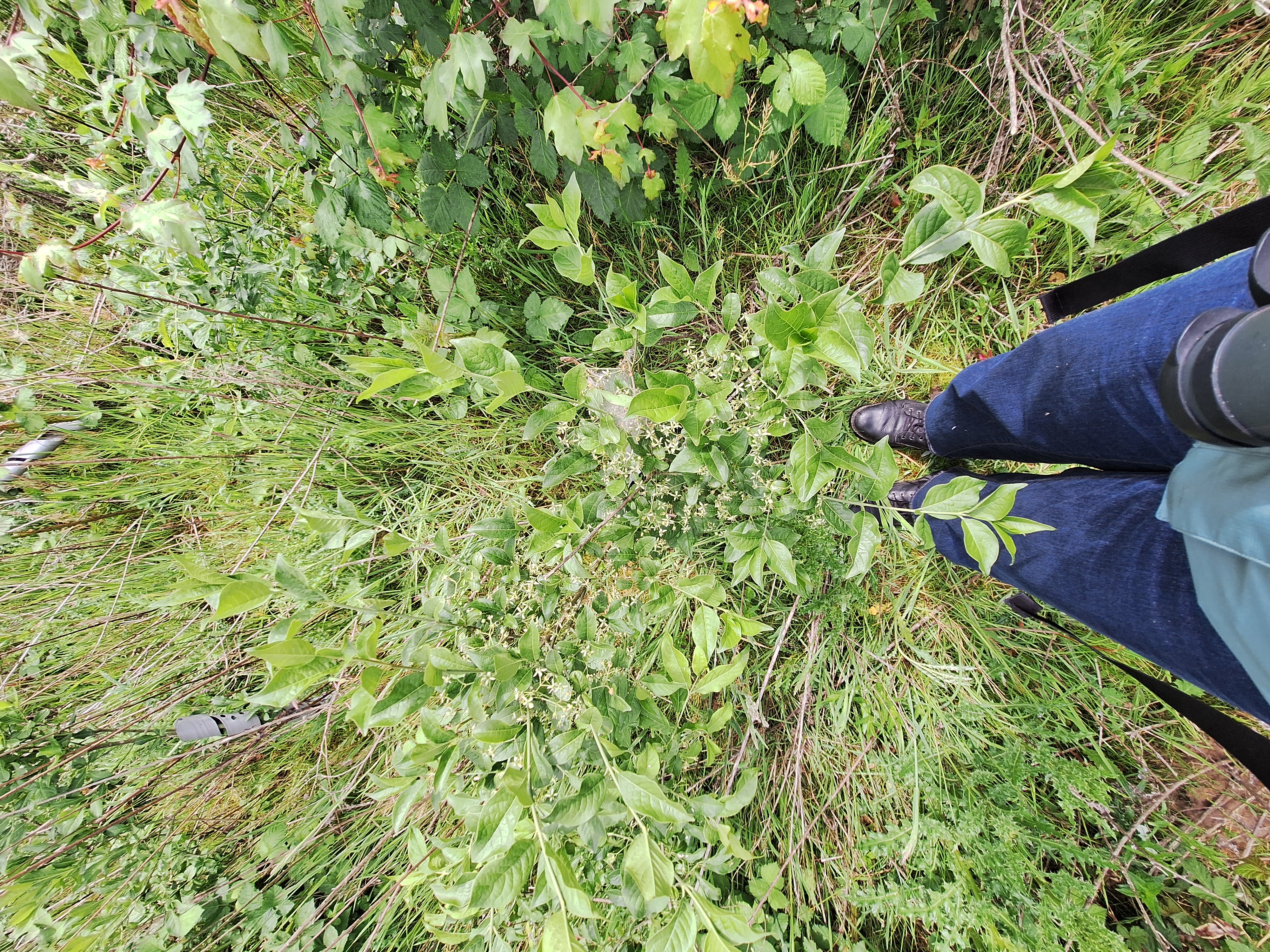
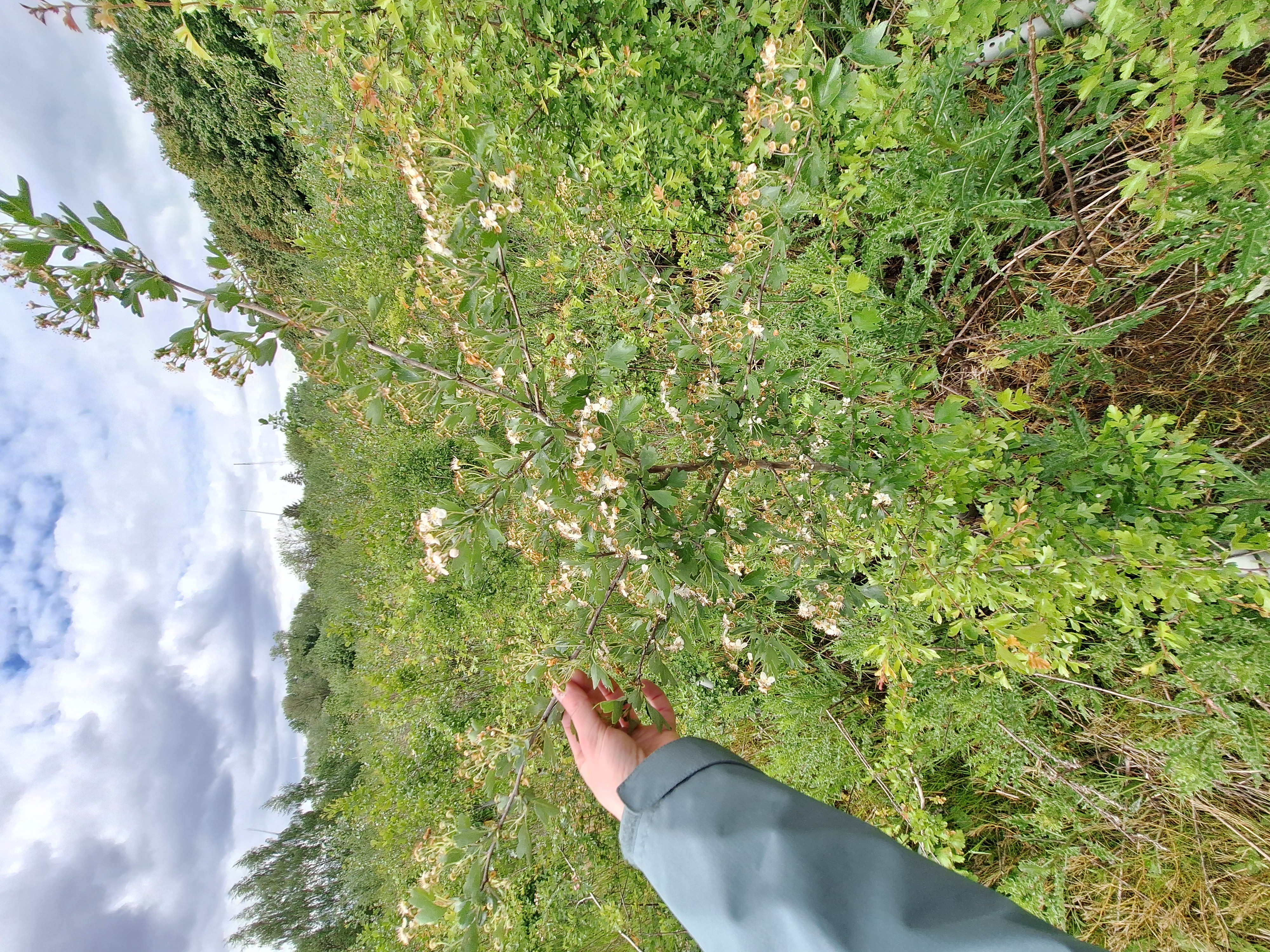
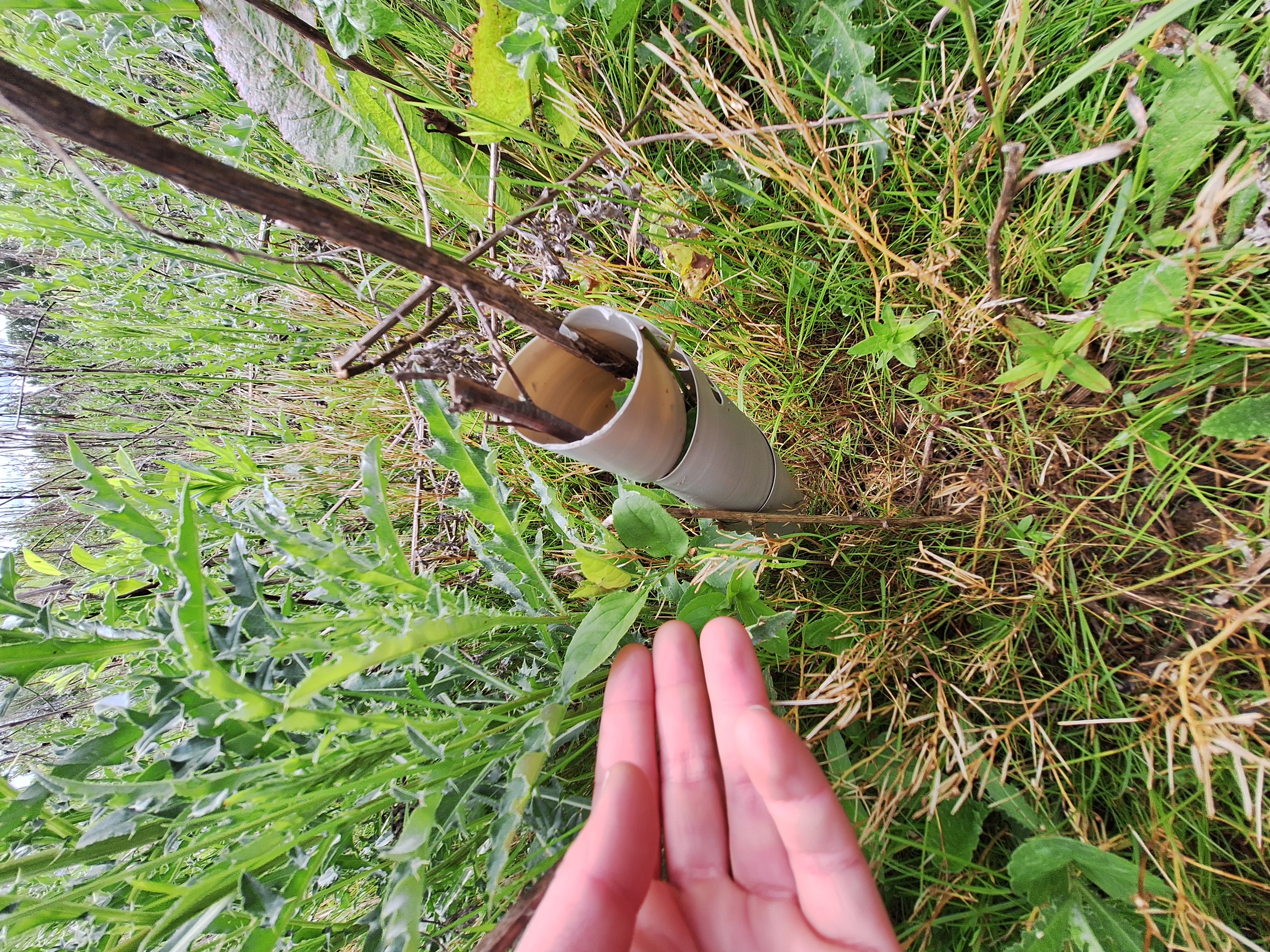
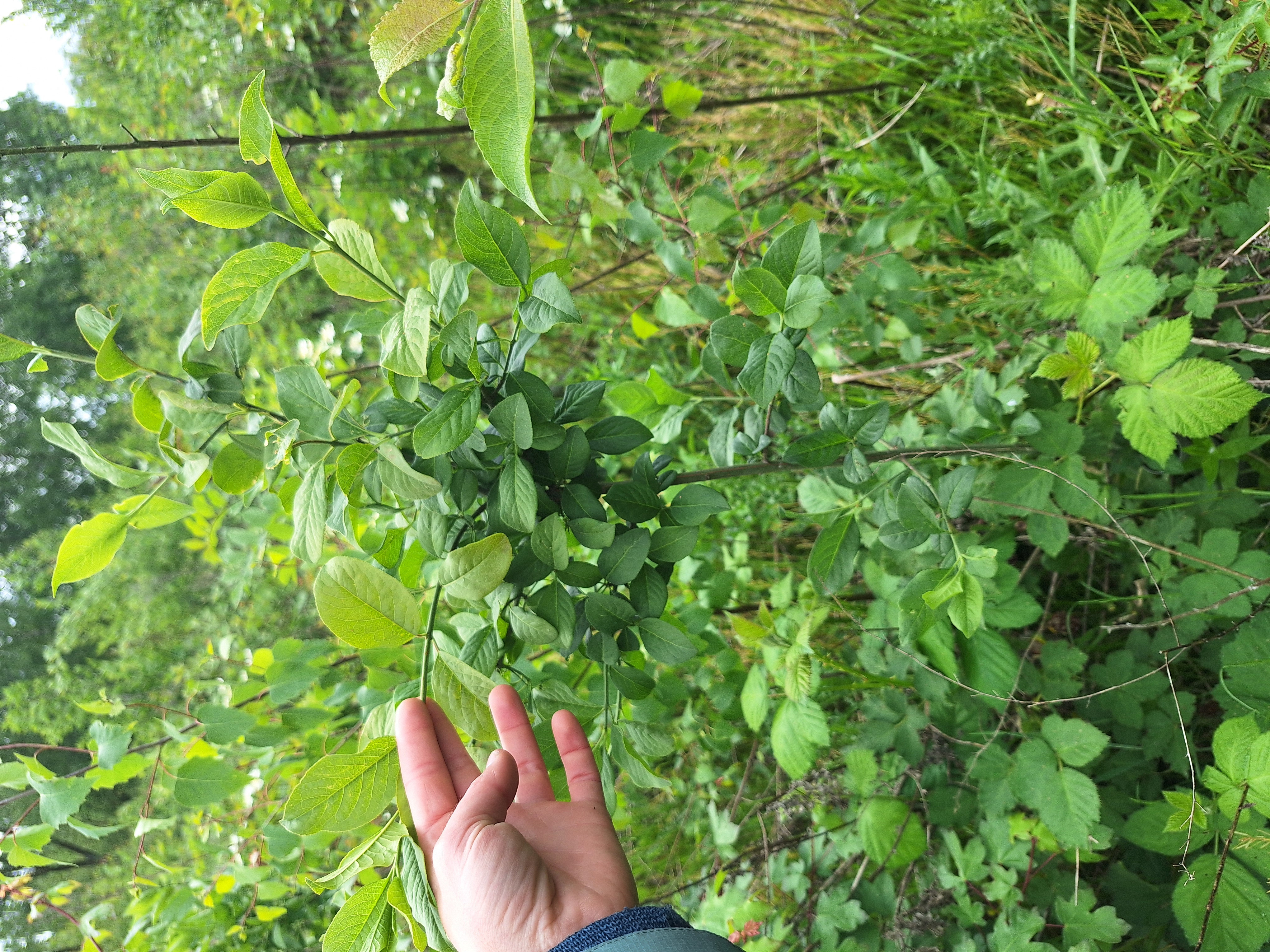
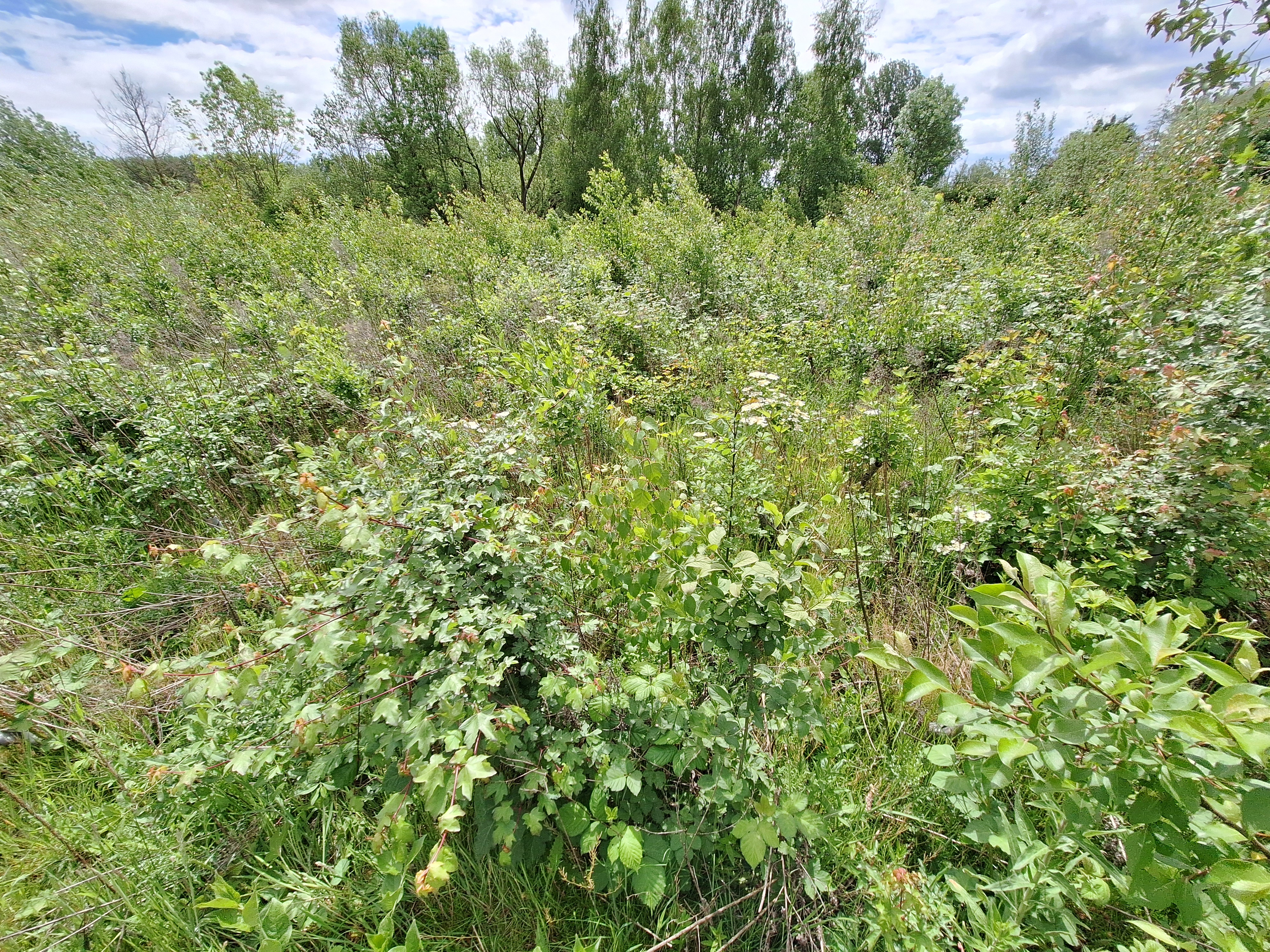
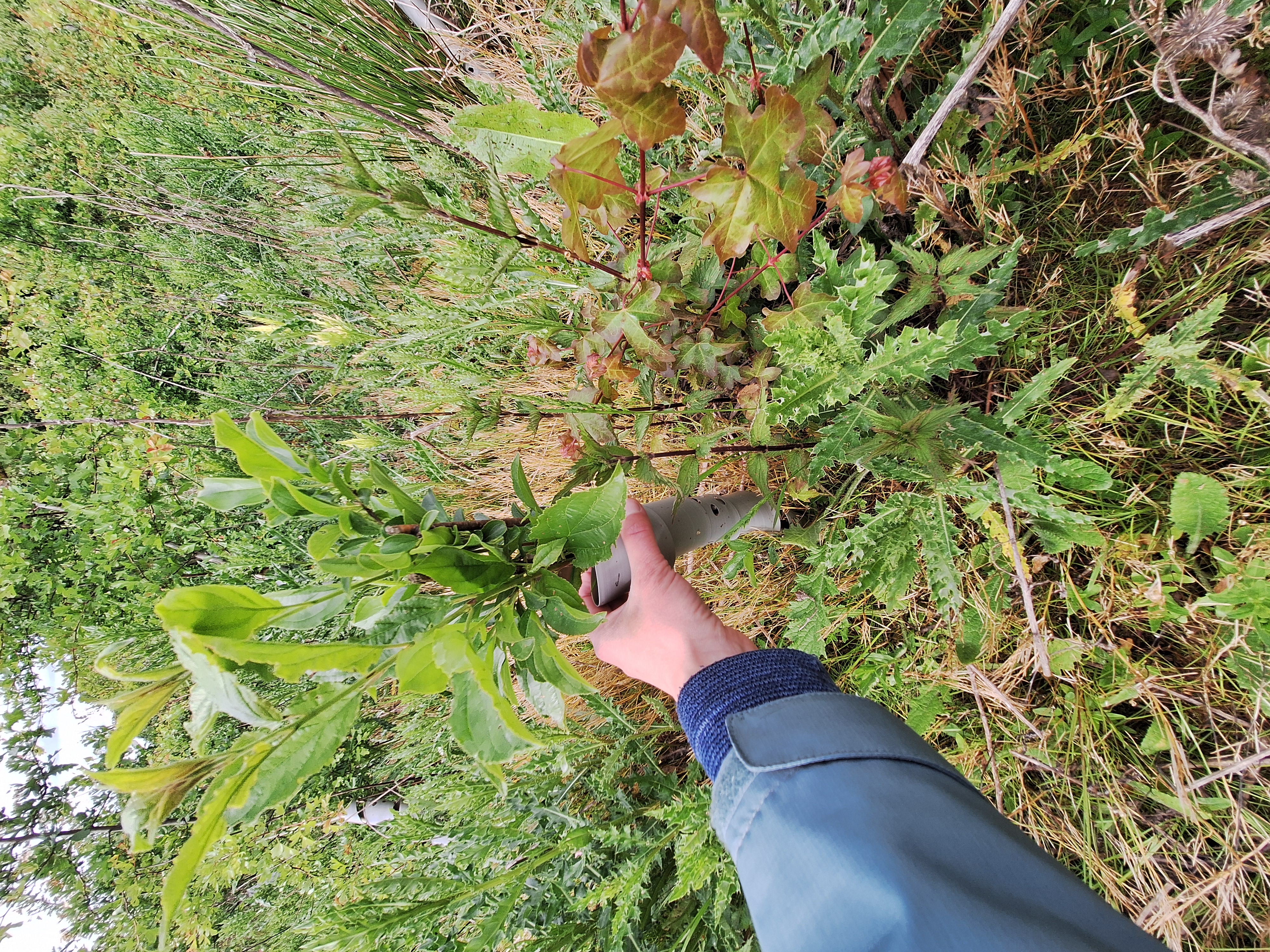
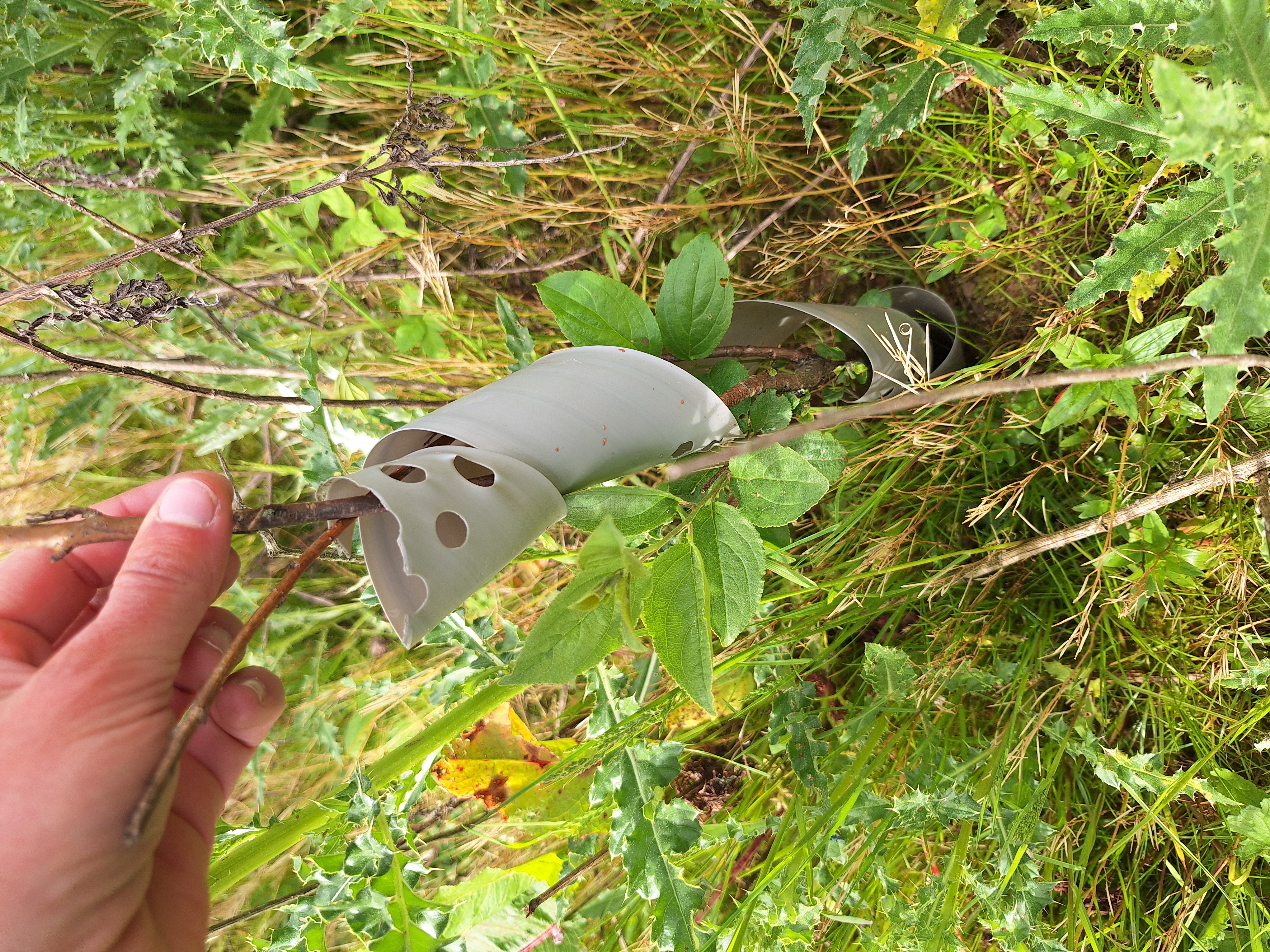
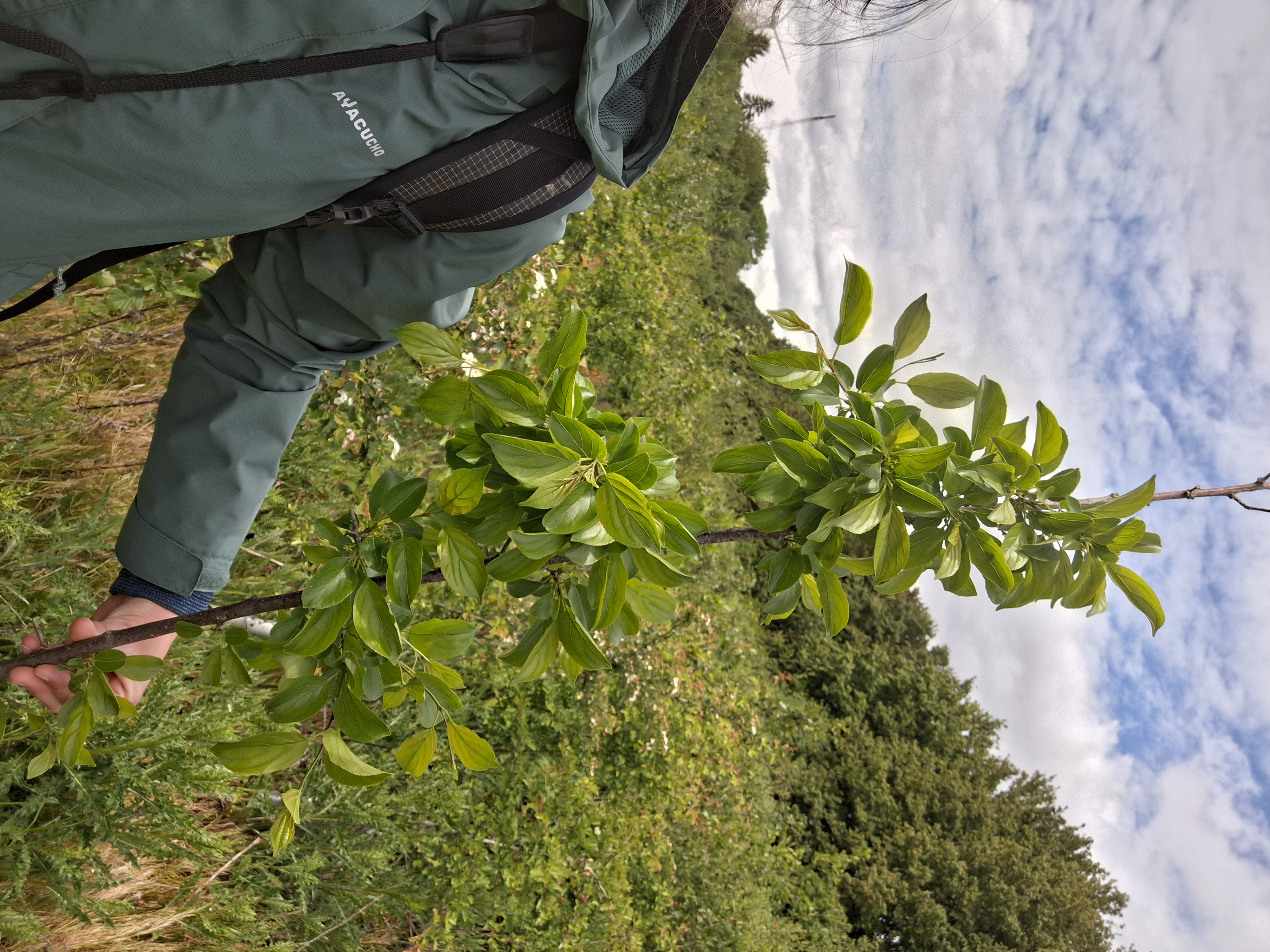
A recent monitoring visit to the Avansbos planting site in the Netherlands offered insights into the progress of its diverse flora and fauna. The site features a mix of planted species, including Viburnum opulus, Ulmus laevis, and Salix spp. A positive sign of ecological activity was the notable regeneration of birch and Acer campestre in the area. Observations also showed traces of Eurasion beavers and roe deers using the site for shelter and resting, with no clear signs of browsing or harvesting of the trees. There was also an observed presence of painted lady (Vanessa cardui), paperwasp (Polistes biglumis) and ermine moths (Yponomeuta cagnagella) on Euonymus europaeus and Crataegus monogyna, indicating natural insect activity within the ecosystem. Webbing and browsing damage were observed on Euonymus europaeus; however, following caterpillar feeding and pupation, the foliage is expected to regenerate and the long-term health of the tree is unlikely to be affected. While a few trees were noted as deceased, the general health of the planted specimens appeared robust. Within the monitoring radius there was a high diversity of species; several Corylus avellana, Tilia cordata, and Fraxinus excelsior were identified, alongside an average of four Fraxinus excelsior, four Ulmus laevis (an endangered species), three Viburnum opulus, and three Crataegus monogyna. The ground cover across the plot consisted largely of thistle, bramble, and nettle species typical of disturbed ground during planting and afforestation in this region. As the trees mature and canopy cover increases, these understorey species are expected to decline due to increased shading and competition.