Here we are! Ready to share the Top 10 most planted trees of this season! Climate urgency is pushing us to adapt faster each year: rising droughts, floods, and extreme weather mean that choosing the right species is more important than ever.
At Life Terra, we carefully select and plant the right tree in the right place. This process is not static, our choices evolve year after year, not only depending on the geographic area, but also on the shifting climatic needs of each territory. We focus on resilient, native species that can better withstand tomorrow’s challenges.
This past year, we expanded our work across 32 European countries, planting over 170,000 trees in 151 plots, and introducing 236 different species into the landscape. On top of this, our partners planted hundreds of thousands more trees, multiplying the collective impact.
Our commitment does not end at planting. Monitoring is a key part of our mission: we revisit sites to ensure that trees thrive and contribute to healthier ecosystems in the long run.
Together with thousands of volunteers, local organisations, and partners, we are restoring land, boosting biodiversity, and building resilience for the future.
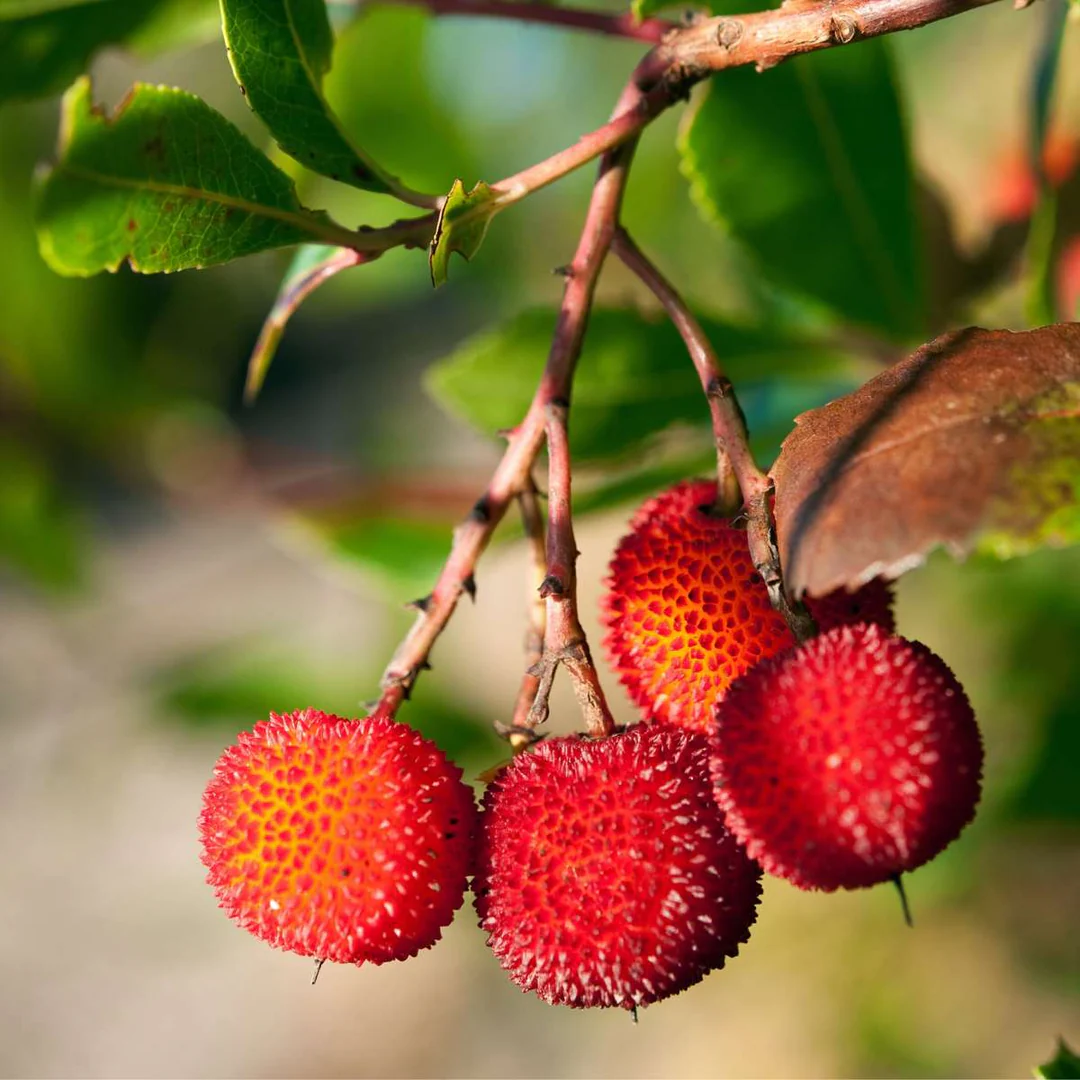
1. Strawberry Tree - Arbutus unedo
Once again, Life Terra’s most planted tree is the Arbutus unedo, commonly referred to as the Strawberry Tree, the evergreen shrub! Despite its name, the fruits of the Strawberry Tree are not actual strawberries but have a distinctive flavour reminiscent of a blend between a strawberry and a fig. This bell-shaped bush adds charm with its year-round presence and changes its look in different seasons with its green leaves, red fruits and its white flower blossoms certainly wins the title of the most peculiar and fashionable one.
In 2025, we widely planted it in Las Rozas during our Ambassador planting event and also during a lot of events in collaboration with partners such as Adyen and Saeta Yield, helping to restore urban and peri-urban green spaces while boosting local biodiversity.
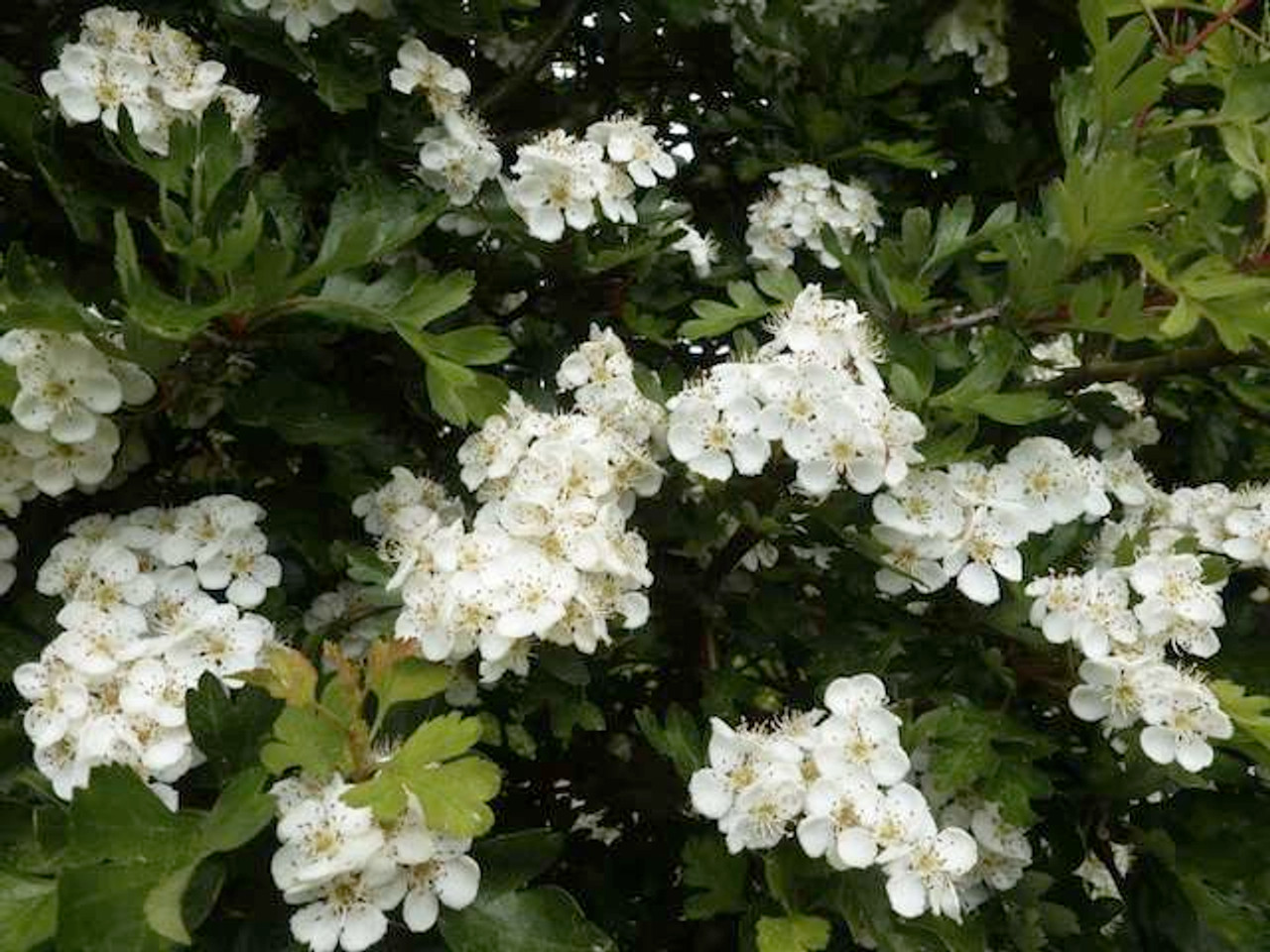
2. Common Hawthorn - Crategus monogyna
Surprisingly the Common Hawthorn demonstrate himself as a true survivor, thriving from Northern Europe down to the Mediterranean and even North Africa. Its adaptability is impressive: it can take the form of a dense, thorny shrub or grow into a small, graceful tree, always blending seamlessly into its surroundings.
In spring, it transforms the landscape with clouds of delicate white blossoms that not only charm people but also attract a vibrant community of bees, butterflies, and other pollinators. By autumn, the bright red berries bring a splash of color and provide essential food for wildlife though they remain off-limits for humans.
In 2025, Common Hawthorn played a key role in our ecological restoration projects, including the mine restoration in Kozani, Greece, and the creation of a food forest in Belgium. Its resilience and ecological benefits make it a valuable species for improving biodiversity and restoring degraded landscapes.
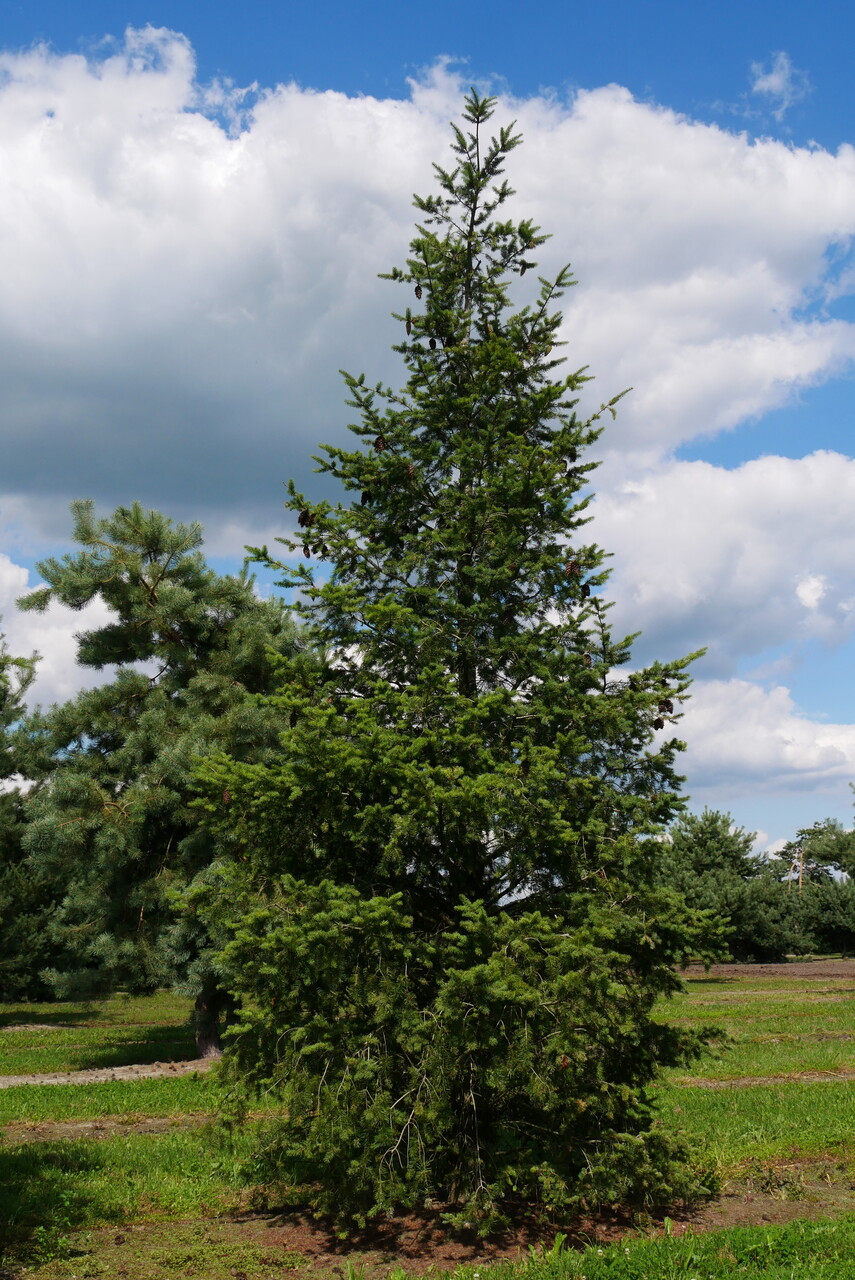
3. Douglas Fir - Pseudotsuga menziesii
The Douglas Fir (Pseudotsuga menziesii) is a fast-growing conifer commonly planted in Northern Europe. It adapts well to different soils and climates and can reach remarkable heights, contributing significantly to carbon storage.
Its dense canopy provides important shelter for birds and mammals, while the needles and forest floor enrich habitats for insects and fungi. In 2025, we planted Douglas Firs in Switzerland for the first time during our There for Trees event, marking the beginning of Life Terra’s presence in the country. In reforestation projects, it is often used for its resilience and ability to establish stable forests, but always in combination with native species to ensure healthy and balanced ecosystems.
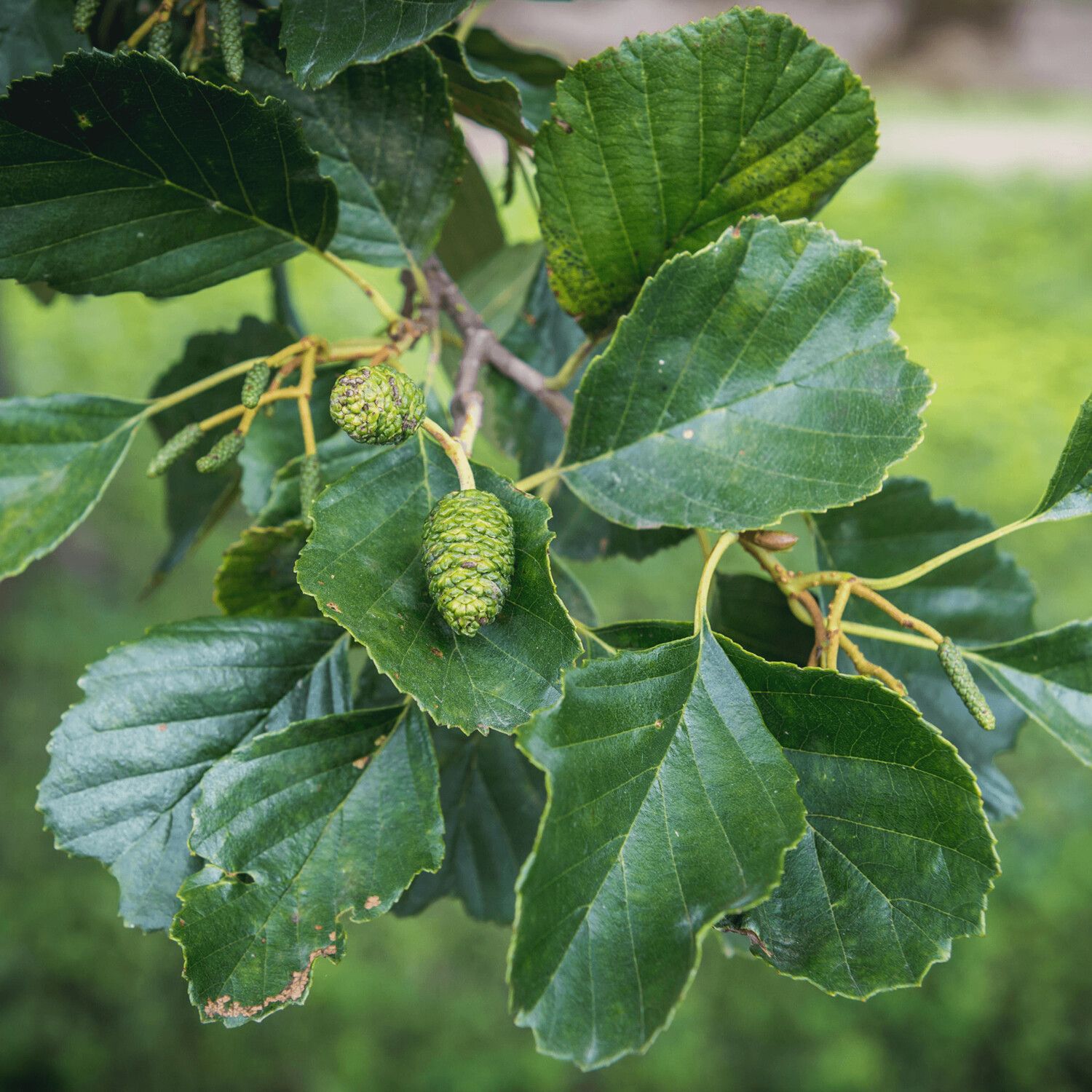
4. Alder - Alnus glutinosa
The Alder (Alnus glutinosa) is a real water lover, often found lining riverbanks, wetlands, and lakesides across Europe. Its roots do more than just anchor the soil they improve it, enriching poor and waterlogged ground with nitrogen and helping neighboring plants thrive. This makes the alder an unsung hero of ecosystem restoration.
In spring, it produces dangling catkins that release pollen into the breeze, followed later by small cone-like fruits that feed a variety of birds. Its timber, unusually durable when submerged, has been used for centuries in construction, think of Venice, where alder piles still support parts of the city.
We used this trees in the planting with local partners at Meurthe-et-Moselle in Nomeny, North East France, were we started to convert a conventional cropland into a dense future food forest. And another beautiful example can be in the snowy slope of Alto Miera, Cantabria, in collaboration with many volounteers from FNyH .
5. European Larch - Larix decidua
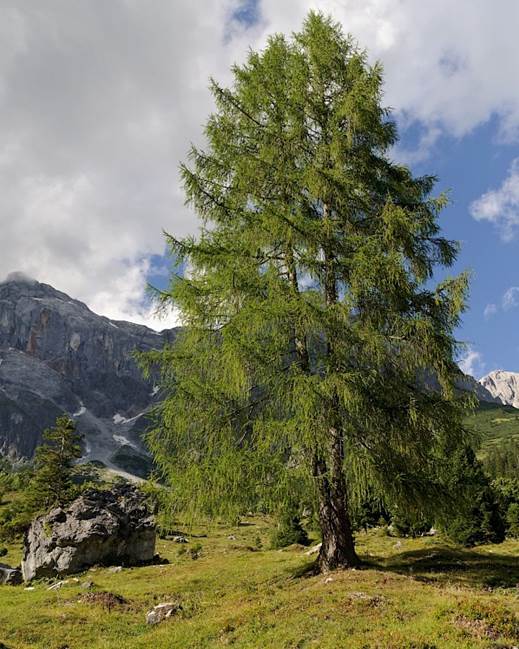
The European Larch (Larix decidua) stands out as one of the few conifers that shed their needles in winter, transforming the forest with golden tones before going bare. Native to the Alps and Carpathians, it thrives in cold, mountainous regions where few other trees can endure.
Fast-growing and resilient, it stabilizes soils on steep slopes and provides shelter for countless species. Its timber, strong and durable, has long been valued for building in alpine areas. In spring, the fresh green needles reappear, alongside small, elegant cones that add to its charm.
We implemented the Larix in many different plots of North Europe. We used a large amount of it for example in the Kyndryl Planting in Berlin or in Olesna, Czech Republic with our local parnter IFER .
6. Grand Fir - Abies grandis
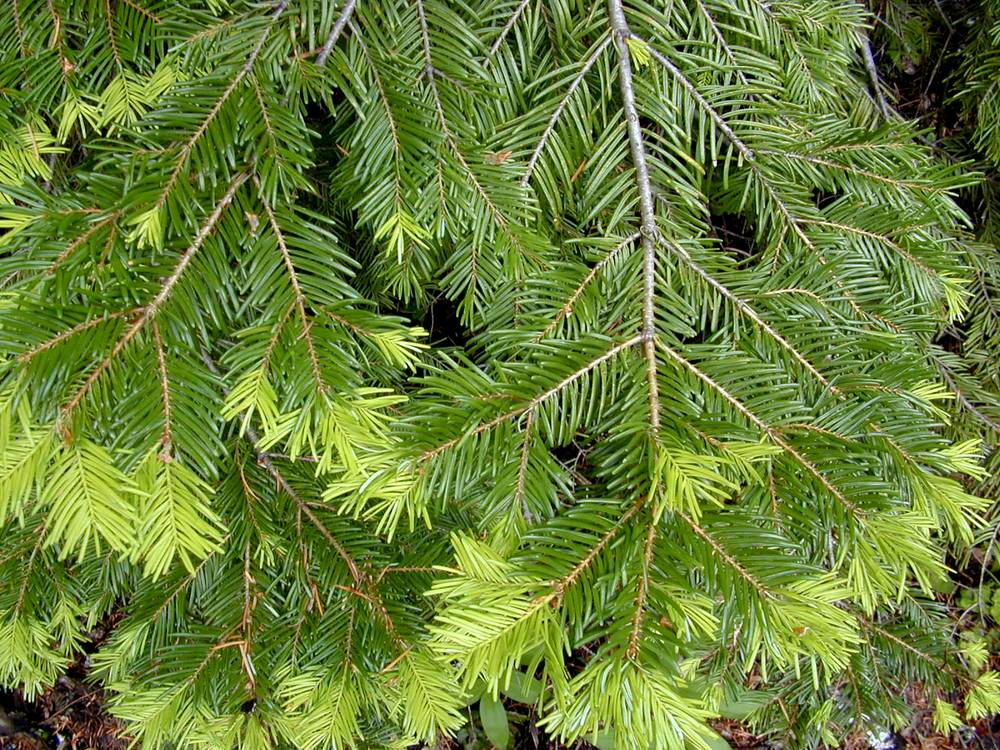
The Grand Fir (Abies grandis) is a large conifer often used in reforestation projects across Northern and Central Europe. It is characterized by its rapid growth, tolerance to shade, and ability to adapt to a range of soils and humid climates.
Ecologically, it contributes to carbon capture and creates dense forest habitats that support birds, small mammals, and insects. Its evergreen canopy also plays an important role in regulating microclimates and protecting soils from erosion. For these reasons, Grand Fir is frequently integrated into mixed plots, together with native species, to improve forest resilience under changing climate conditions.
A large amount of Grand Fir was planted in the plot from Cube Wood in Germany or again in The Netherlands, the Klarenbeek plot precisely planted by the wonderful team of Adyen!
7. Wild Cherry - Prunus avium
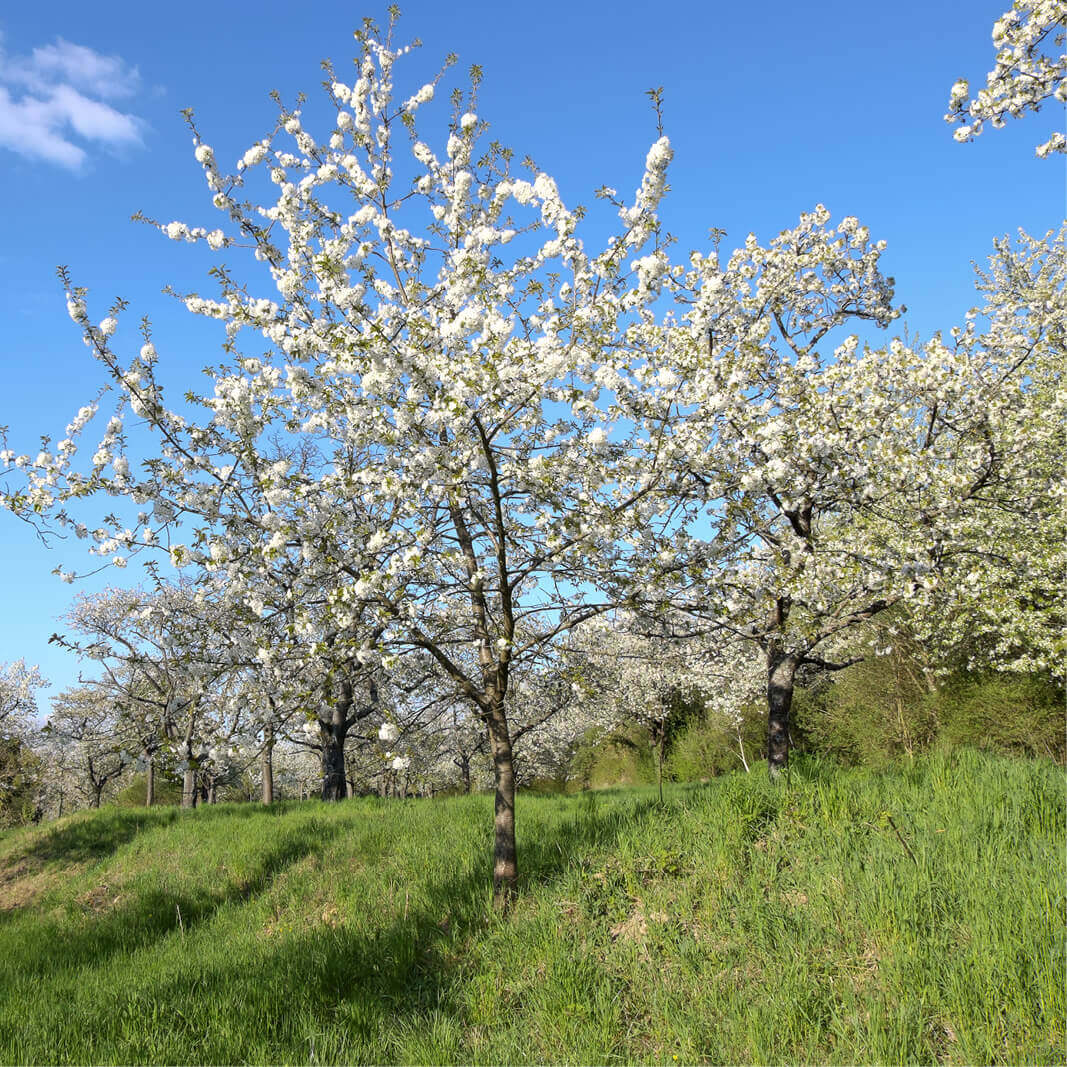
The Wild Cherry is a deciduous tree native to Europe, valued for its ecological contributions. It produces flowers that attract a variety of pollinators in spring, while its fruits provide food for birds and small mammals. The species also supports insect diversity and helps improve soil health through leaf litter decomposition.
During this season, Wild Cherry was planted across multiple Life Terra projects, including urban and rural restoration sites, contributing to biodiversity enhancement, ecosystem resilience, and carbon sequestration. Its adaptability makes it suitable for mixed-species plots, where it complements native and climate-resilient species.
Want to see some Wild Cherries blossoming? We planted a lot in Cantabria, Ria de Solia with FNyH and in the Netherlands with Stichting de Ooijgaard, creating a diverse woodland that improves road safety and shelter for birds and wildlife.
8. Hornbeam - Carpinus betulus
The Hornbeam is widely planted for its ecological properties and aesthetic appeal. Its foliage changes color through the seasons, making it a favorite in parks, gardens, and landscape projects, while its structure is ideal for forming rows or lines that create ecological corridors connecting forests, fields, and gardens.
Hornbeam provides shelter and food for birds, insects, and small mammals, helps reduce soil erosion, and regulates microclimates. Its versatility and ecological benefits make it a key species in mixed-species plantations aimed at increasing biodiversity and landscape resilience.
Among many plots, we remember giving a home to hornbeams in Franciacorta, Italy, in the green vineyard of Mosnel, and also in the Netherlands, where De Biesterhof has begun the implementation of their ‘radical redesign,’ planting a thick hedge of more than 3 km that includes over 5,500 trees and shrubs.
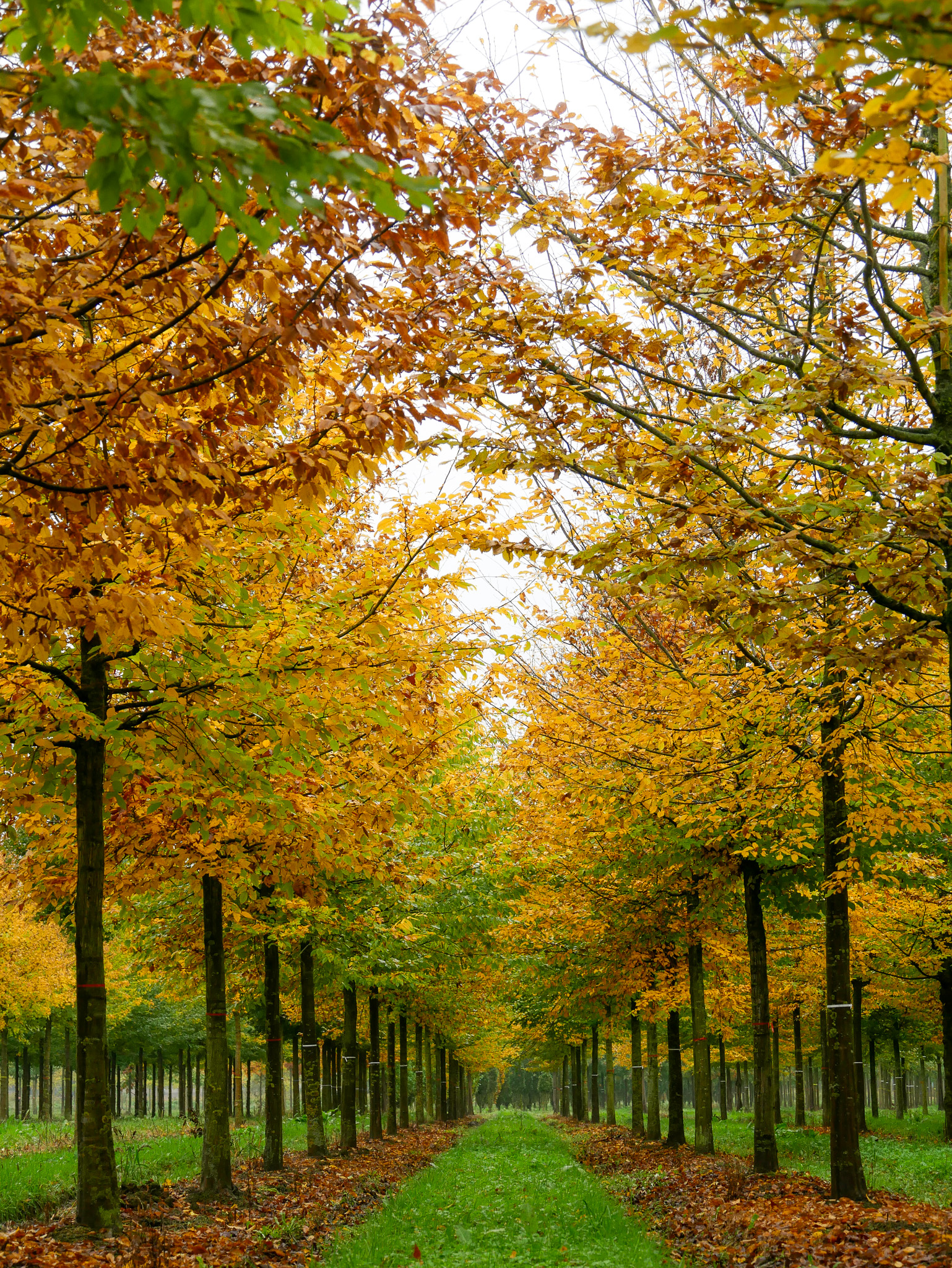
9. English Oak - Quercus Robur
The English Oak takes the 9th position in our 2025 Top 10 list. It is widely appreciated for its ecological and landscape value, supporting a high level of biodiversity by providing food and shelter for insects, birds, and small mammals. Its extensive root system helps stabilize soil, while the canopy regulates microclimates and contributes to carbon storage.
We plant English Oak in mixed-species plots and restoration projects because of its resilience and long-term ecological benefits. Its seasonal changes, from fresh spring leaves to rich autumn colors, also make it popular in parks, gardens, and green corridors, combining environmental function with visual appeal.
One example of application of the Quercus Robur can be during our first ever planting day in Austria with Wald4Leben and a local school regenerating a huge area exploited by the wood industry.
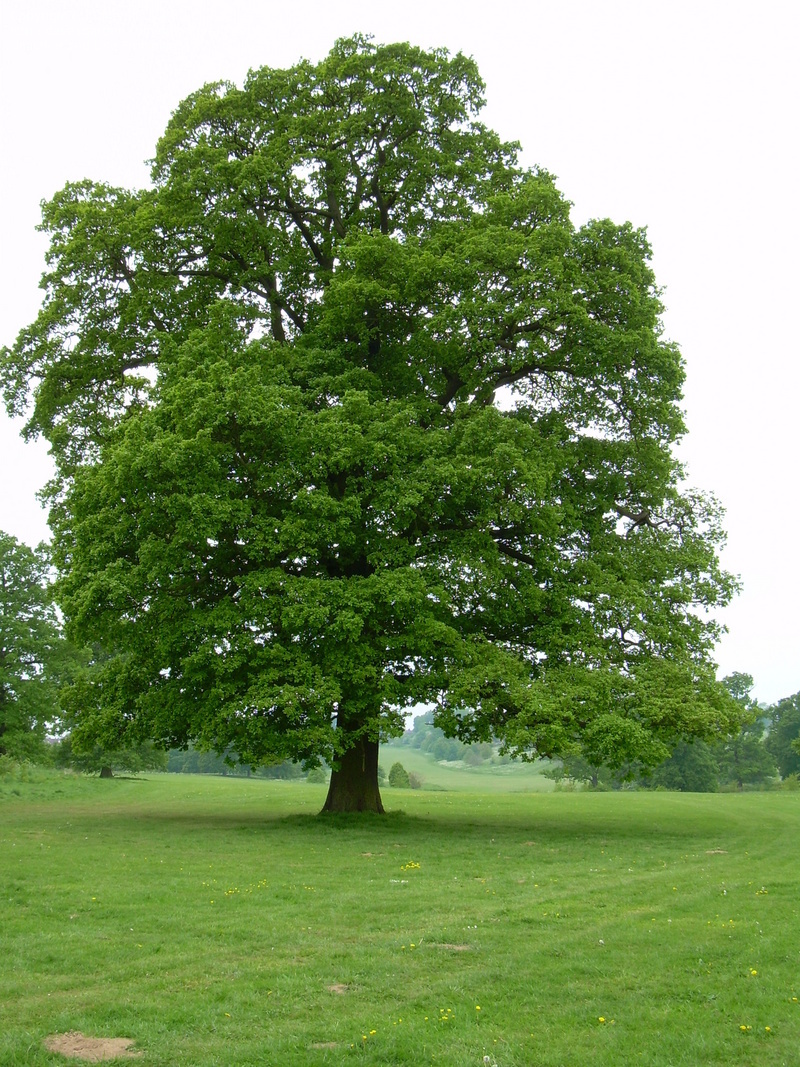
10. Scots Pine - Pinus sylvestris
The Scots Pine closes our 2025 Top 10 list. This resilient conifer is highly adaptable to a wide range of soils and climates, making it a cornerstone species in reforestation and restoration projects across Europe.
Its evergreen canopy provides year-round shelter for birds, insects, and small mammals, while its needle litter improves soil structure and fertility. Scots Pine is often planted in mixed-species plots to enhance ecosystem resilience, support biodiversity, and contribute to carbon storage. Its distinctive shape and seasonal stability also make it a visually appealing addition to landscapes, forests, and green corridors.
Lots of pines were planted when we opened our 22nd country in Europe during the Volunteer event in Luxembourg and last honourable mention, going back where we started, Belgium! One of our first planting of Life Terra, that time precisely in Brussels in collaboration with Euractive and RSFB.
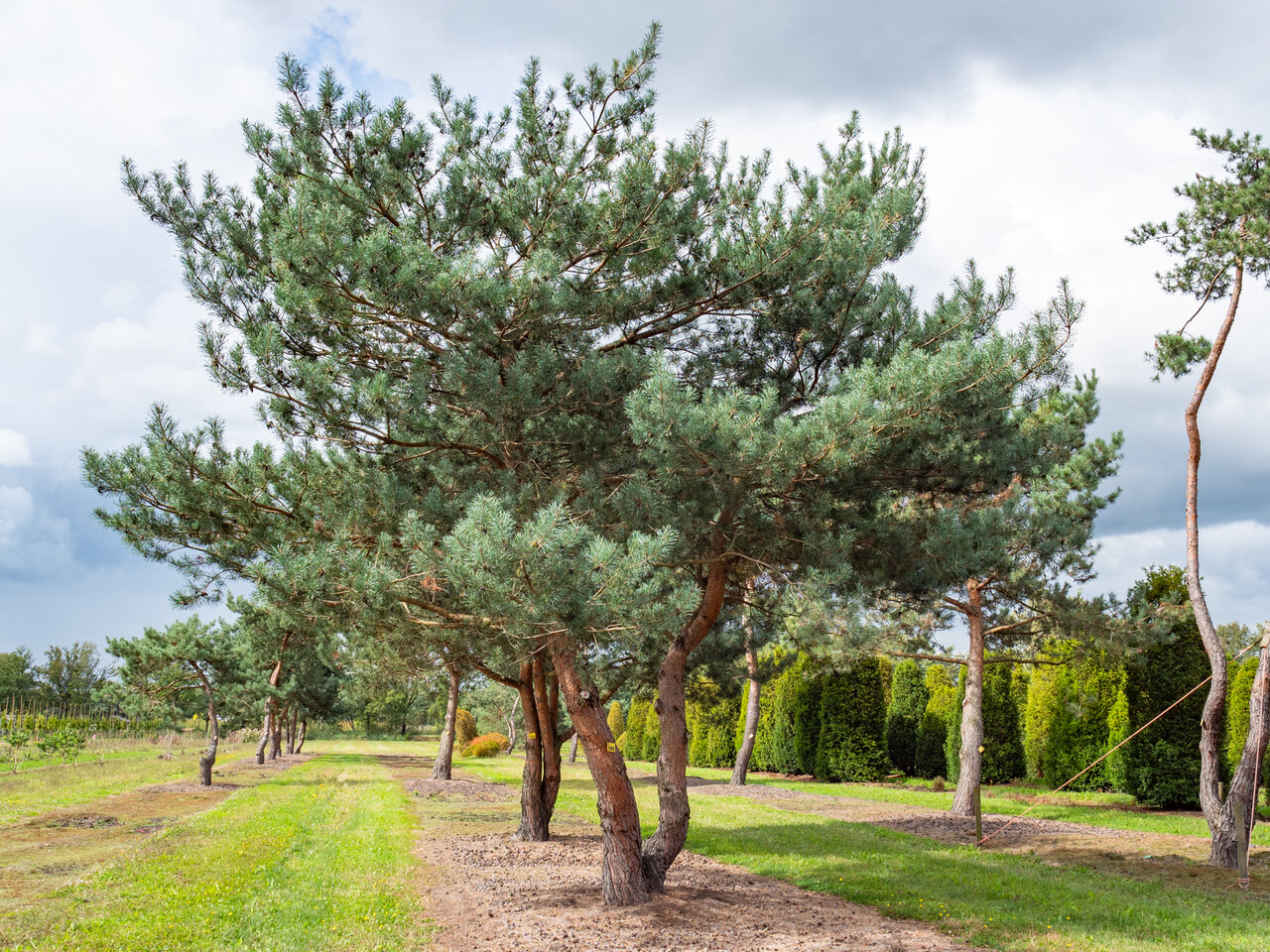
That’s a wrap on Life Terra’s 10 most planted trees this season. We hope each species sparked your curiosity and offered new insights, now it’s time to go out and see them in person!