
Record in hectares burned in Europe in 2025: what can we do?
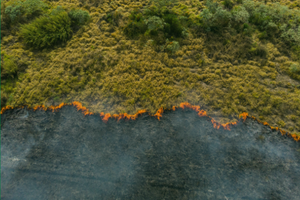
We are getting used to seeing images of forests burning on TV. Wildfires are becoming more frequent and severe in Europe, with terrible environmental and social consequences. But this year has broken all records: more than 1,000,000 hectares burned so far.
According to the European Forest Fire Information System (EFFIS), it is the worst wildfire season since 2006 when records began. Spain and Portugal are at the top of the list of most affected countries, accounting for nearly two-thirds of the total area burned in the EU.
This represents 1% of the Iberian Peninsula's surface. To put it into perspective, the area burned in Spain and Portugal is 2.5 times the total area of Luxembourg.
Wildfires are expected to become more frequent and severe, experts say. And climate change only exacerbates the situation. So, what can we do?
Why do wildfires occur?
It is estimated that 95% of wildfires in Europe are caused directly or indirectly by human activity. The main human causes are:
Negligence: accidental starts by unattended fires, smoking materials, or equipment used inadequately.
Arson: people deliberately starting fires.
Lack of forest management: rural depopulation has led to a decline in the maintenance and conservation of our forests.
However, environmental and climate factors also play an important role (climate change being one of the main drivers):
Increased temperatures and heatwaves: increasing the risk and severity of wildfires.
Droughts: leading to an accumulation of dry, flammable vegetation that acts as fuel for fires.
Topography and weather: the landscape (i.e steep hills) and weather factors such as strong winds make the extinguishing practices more difficult.
The importance of preventing wildfires
While the EU has tools to respond to wildfires (such as the EFFIS, The EU Civil Protection Mechanism or the Emergency Response Coordination Centre), prevention, as outlined in the EU Forest Strategy 2030, is key to reducing the frequency of megafires.
Wildfires not only cause disastrous ecological consequences, but they also impact heavily on a country’s economy. In Spain, one of the most affected areas, extinguishing a hectare of forest fire costs the government 20,000-30,000€ approximately, while preventing it costs only 3,000€ per hectare.
Preventing mechanisms include:
Ecosystem restoration practices: reforesting degraded landscapes with native species to create resilient forests.
Support forest management practices: controlled grazing can boost biodiversity and lower fire risk by reducing dry vegetation.
Ecosystem conservation: protect ecosystems like forests, wetlands, and grasslands that naturally act as firebreaks.
A shift from reacting to forests to preventing them is a win-win for nature and society. Protecting our forests today means safeguarding our future.
