
When natural regeneration is not enough: the Bellprat case
In the summer of 2021, Bellprat, a municipality in the Anoia region (Catalonia), suffered one of the most severe forest fires in its history. The fire burned for days, affecting 1,700 hectares in the area, with Bellprat being the hardest hit: 1,000 hectares of land were burned, representing one-third of the municipality’s total area.

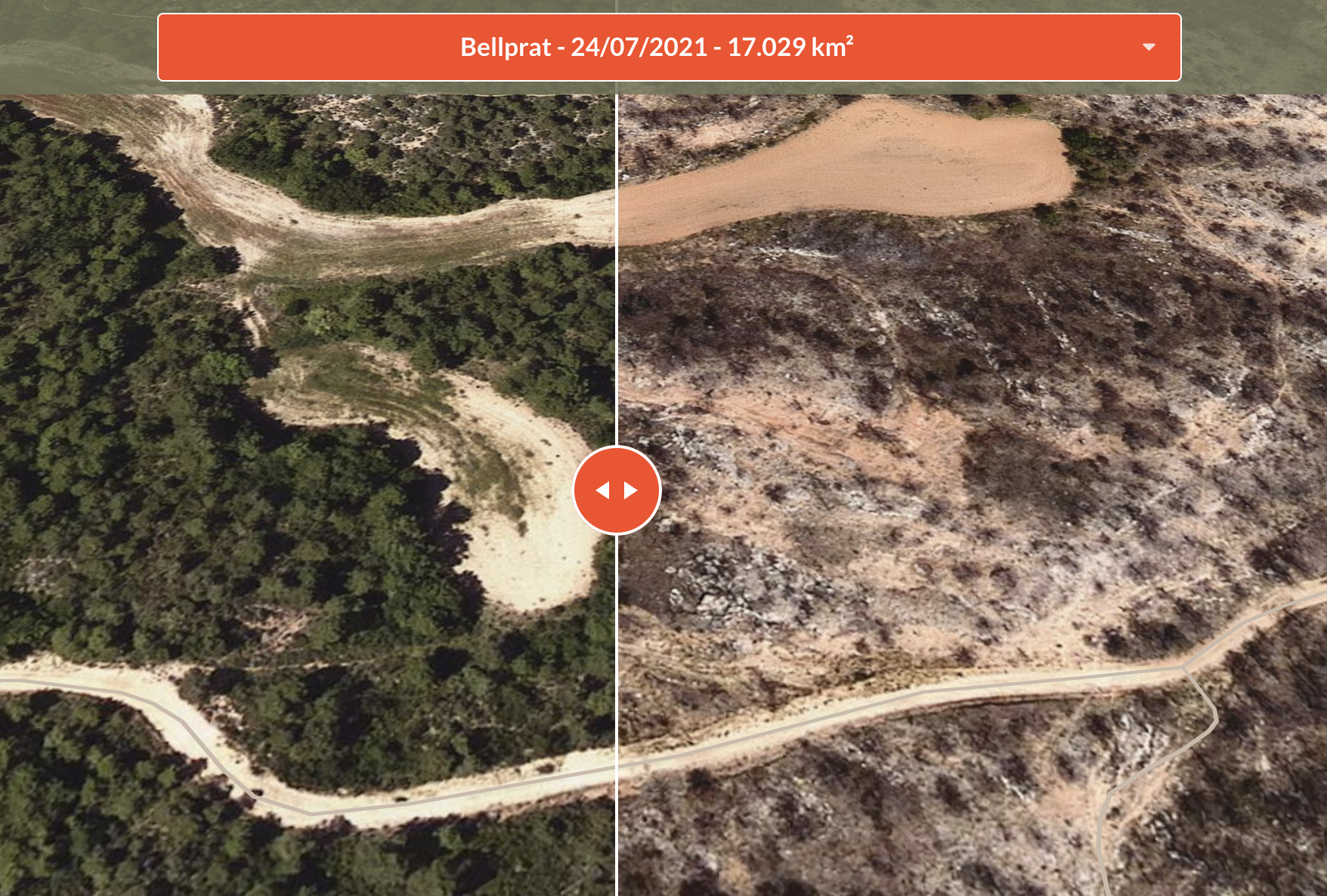
Satellite image comparing the burnt area before (2020) vs after the fire (2021). Source: ICGC.
Forest fires, increasingly frequent and severe
These types of fires are not isolated incidents. In 2021 alone, Catalonia experienced 607 wildfires that burned more than 2,400 hectares of wooded and non-wooded land. These figures rise to 8,281 fires and 65,971 hectares when considering the whole of Spain in 2021.
The Mediterranean region has become one of the most vulnerable areas to the effects of climate change. The increase in heatwaves and irregular rainfall patterns are turning Spain, along with Portugal, into countries where the risk of major wildfires is steadily increasing. In addition to climatic factors, rural abandonment and the lack of forest management also contribute to higher forest and undergrowth density, further increasing fire risk.
In this context, sustainable forest management becomes a key measure for forest recovery and the prevention of future fires. It is essential to implement measures to combat land degradation and desertification and to increase biodiversity, especially after a fire.
What happens after a fire?
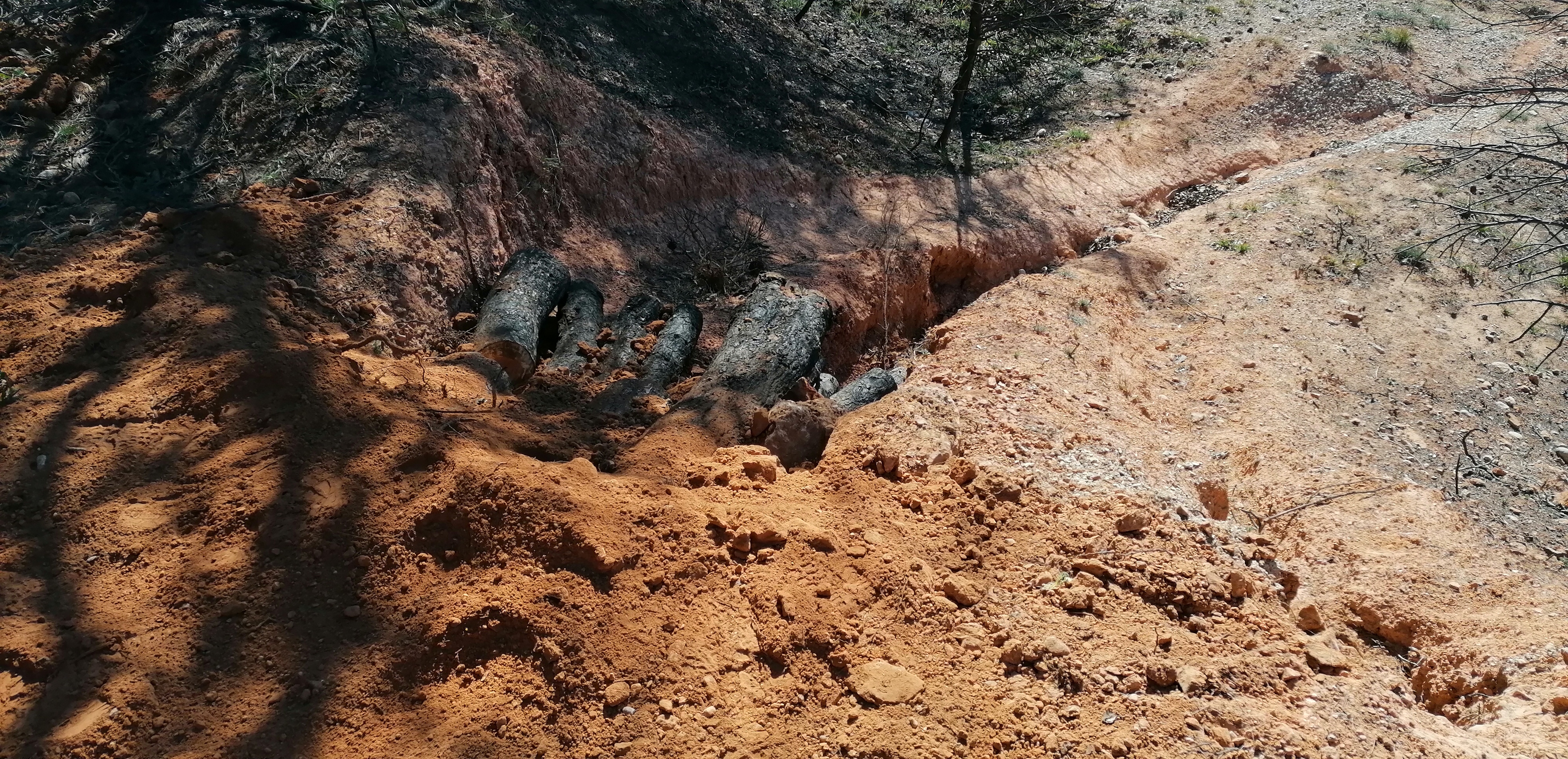
After a wildfire, resprouting tree species (such as holm oaks, birches, kermes oaks, etc.) grow back naturally, as do species with soil seed banks, such as some Mediterranean pine species.
However, a forest can take 30 years or more to fully recover, and in some cases may never regenerate naturally. Moreover, increasingly frequent and severe fires and climate disturbances affect and limit this regenerative capacity.
Tree planting project in Bellprat
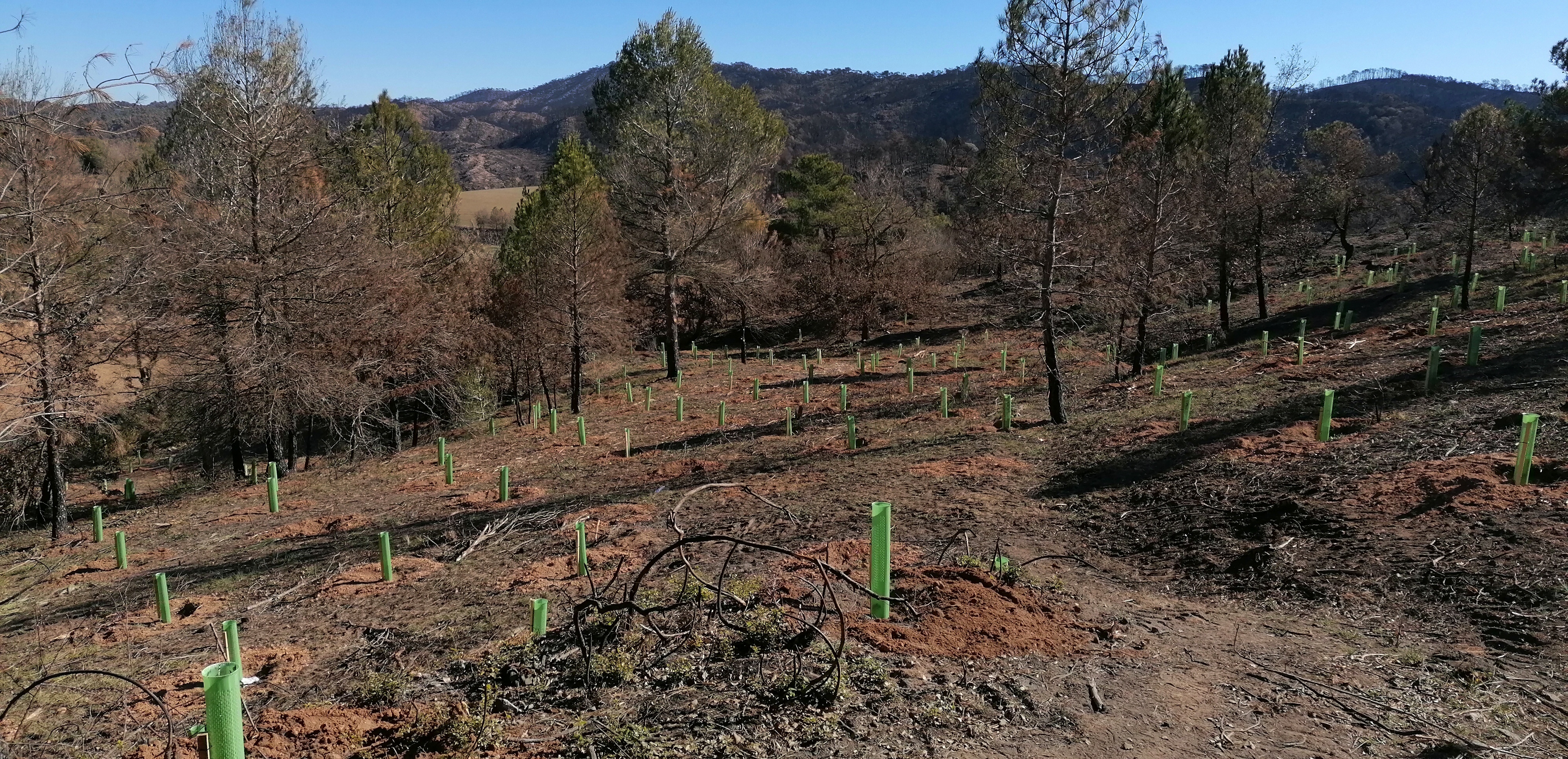
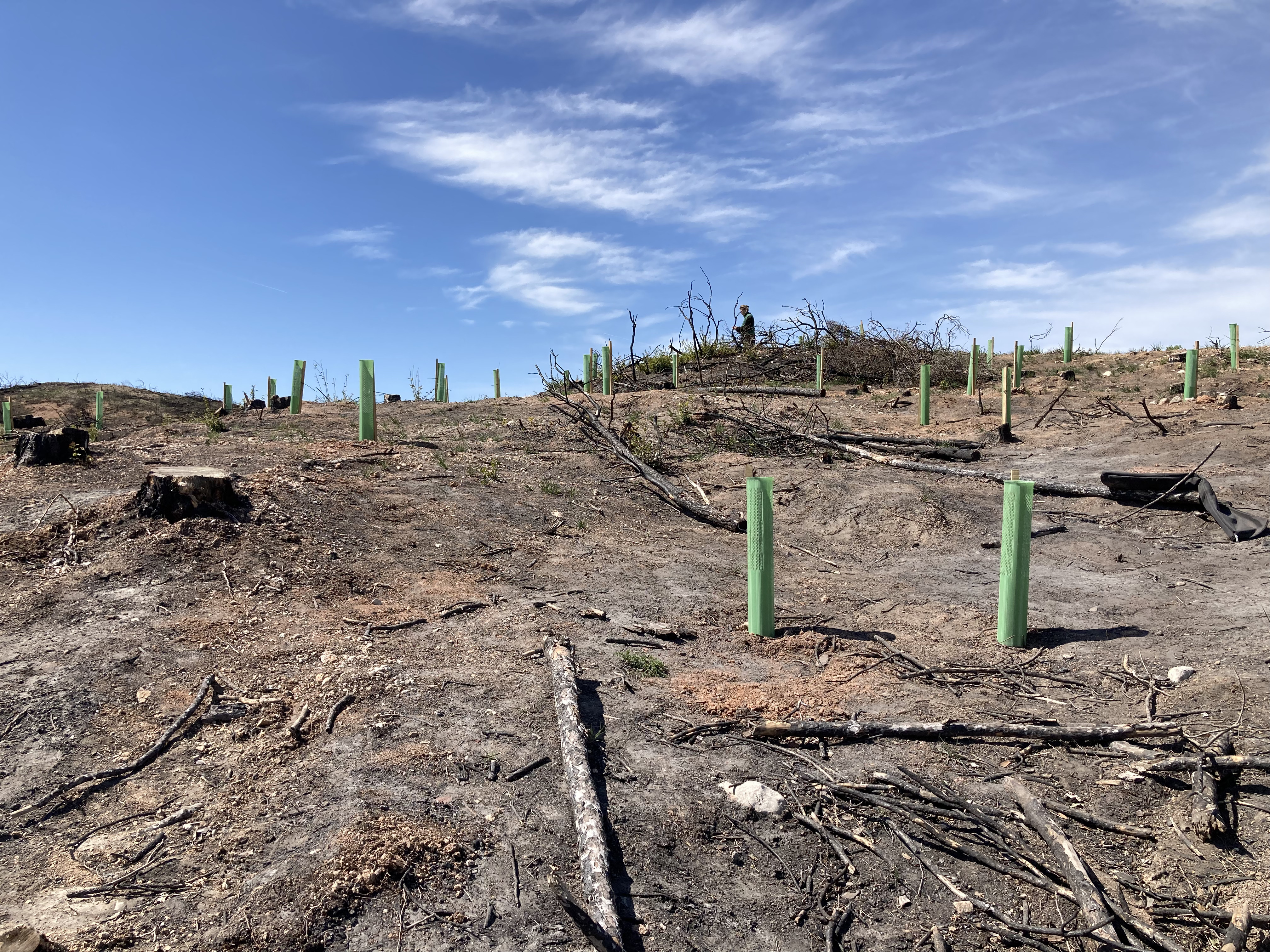
In 2022, Life Terra, in collaboration with the Bellprat City Council and other local entities, and with the support of the European Commission, launched a reforestation project in the municipality of Bellprat.
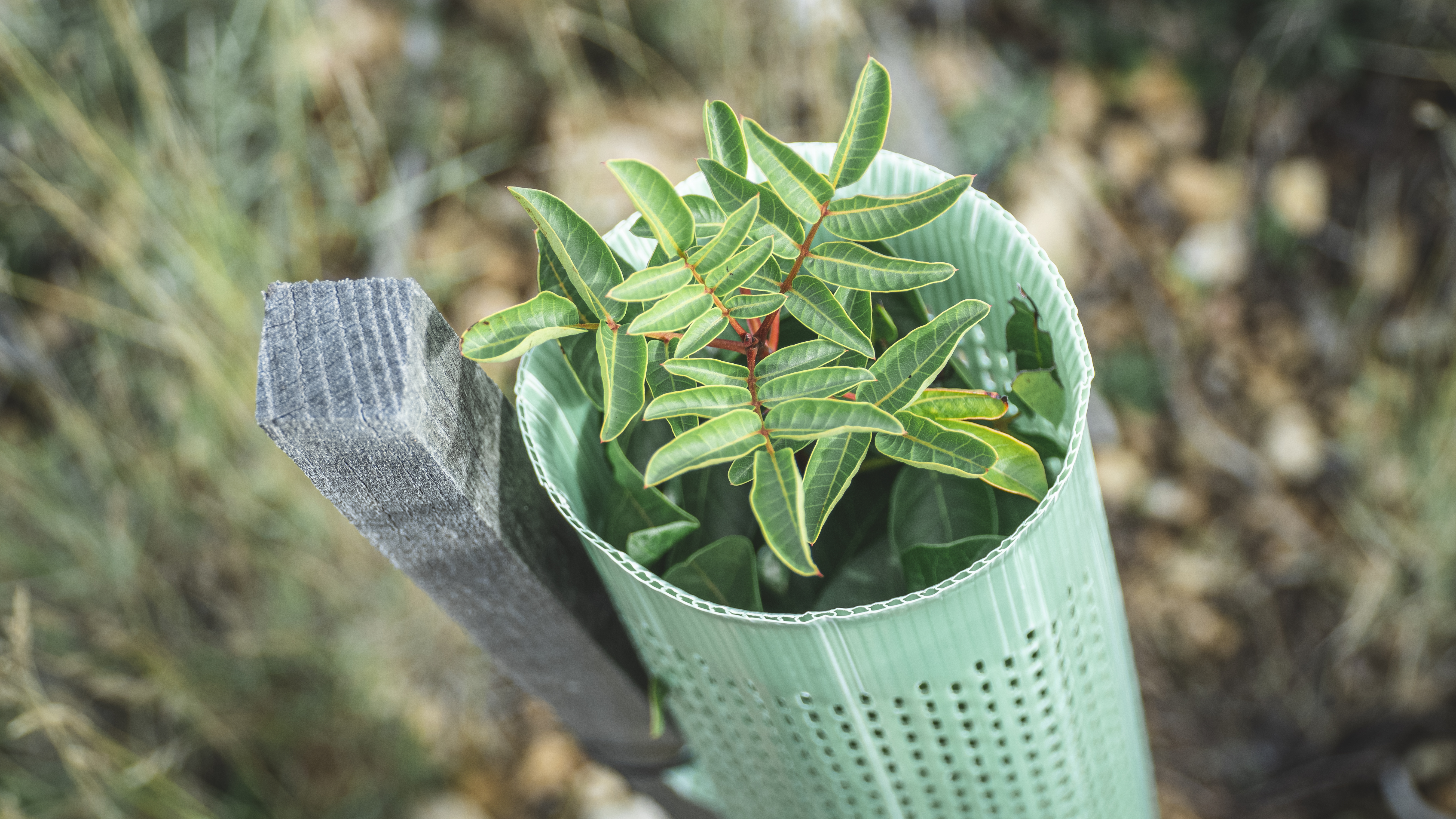
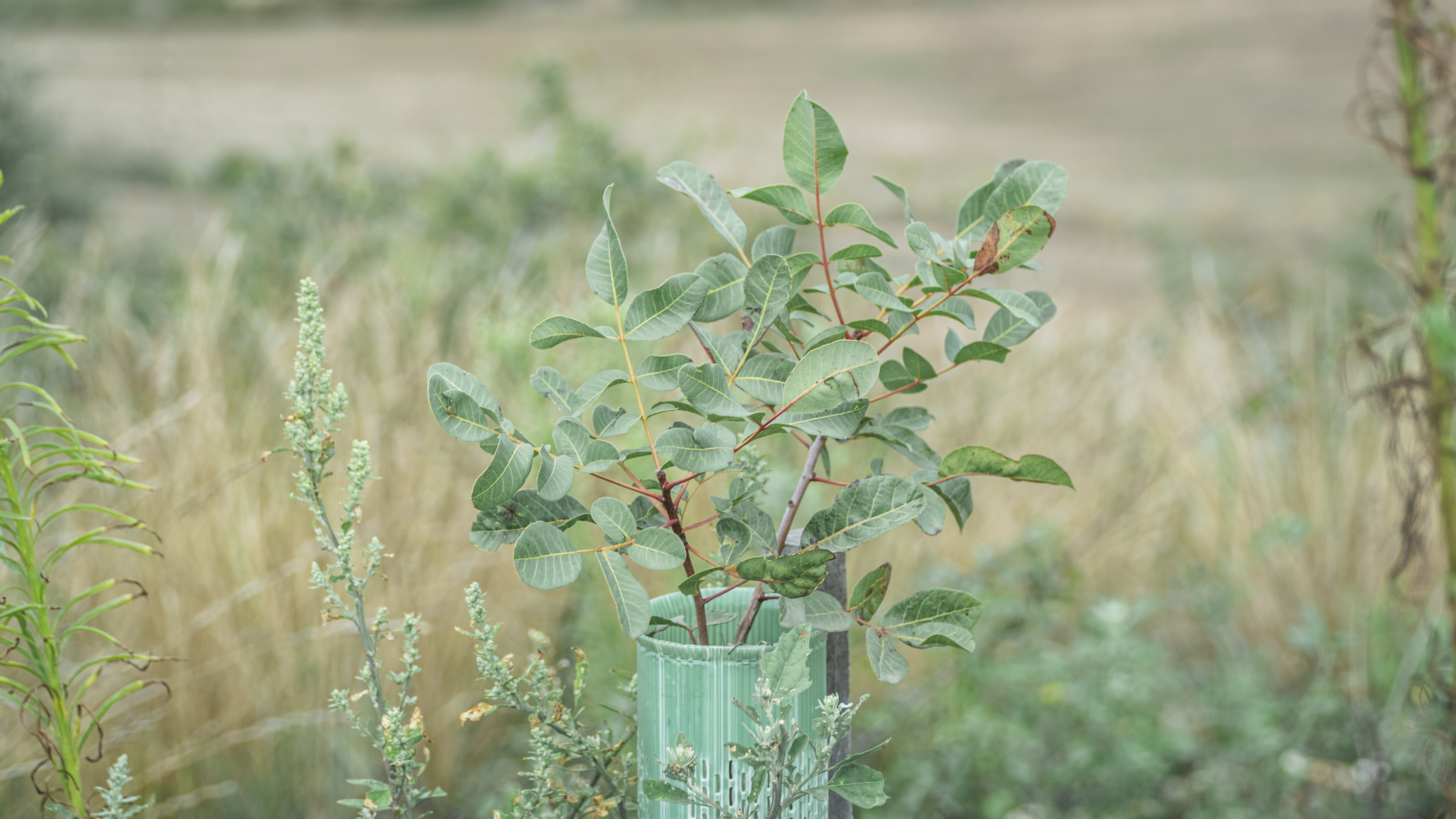
Until then, the affected area showed a process of natural regeneration mainly dominated by shrubs and Mediterranean plants. The objective of the project was to help accelerate this natural regeneration while increasing the area’s diversity and improving soil fertility, which had been severely impacted by the fire. In total, 10,000 trees of 13 different species were planted across six plots.
After three years, the survival rate is 80%, very encouraging results considering the severe drought that Catalonia experienced in 2024. This success is due to the significant maintenance and monitoring efforts carried out.
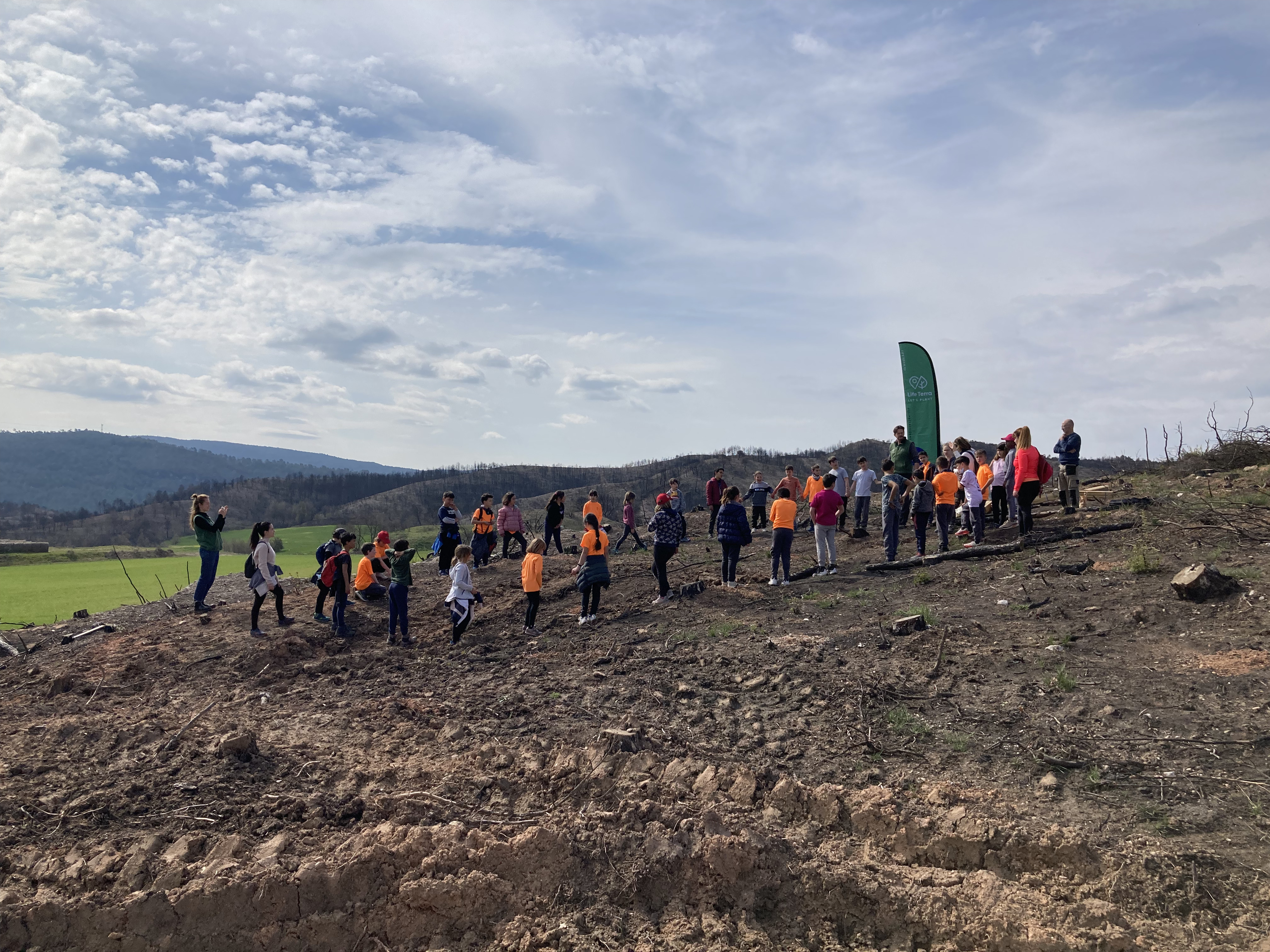
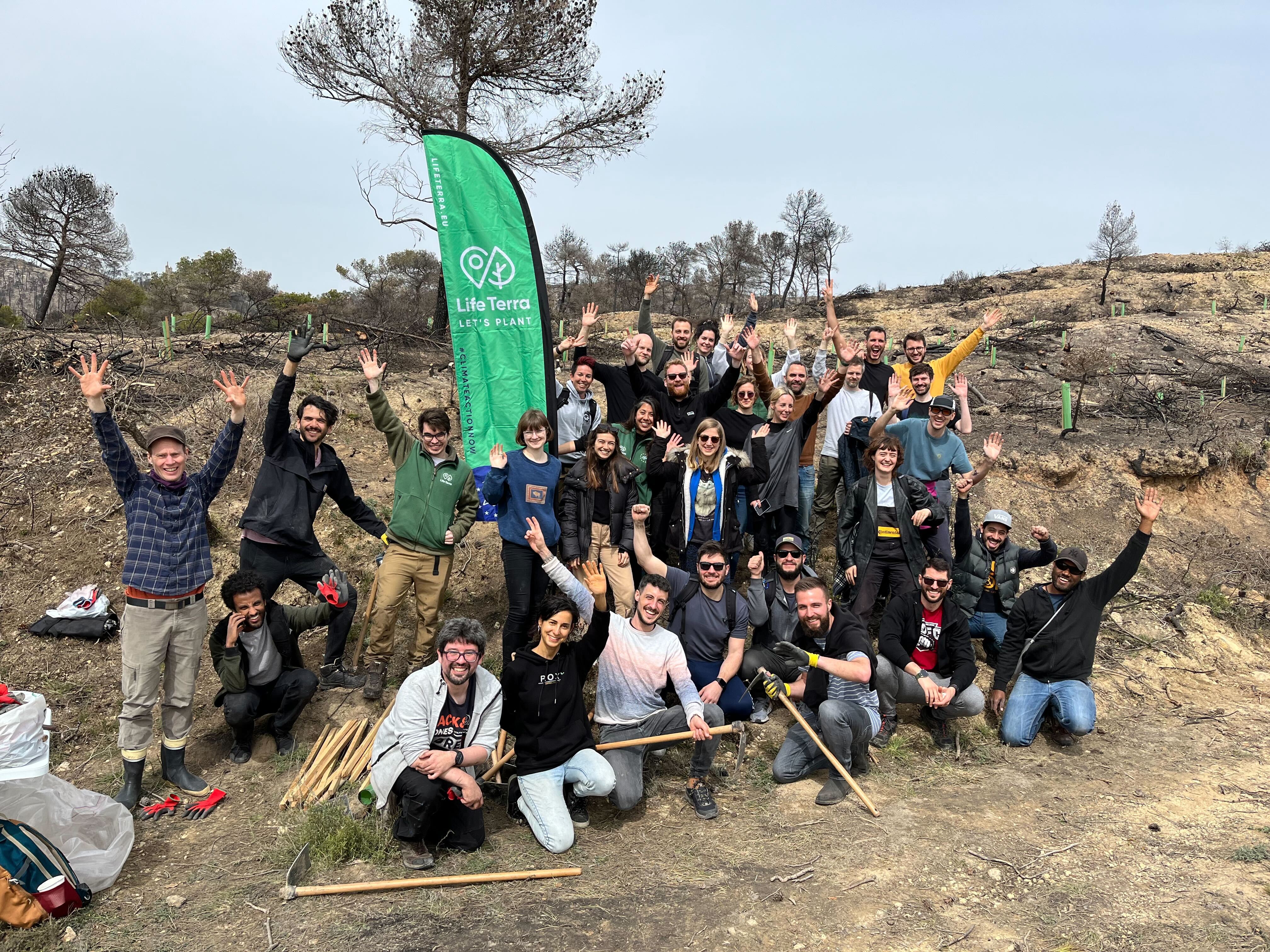
One of the distinguishing elements of these actions is local participation. Life Terra promotes climate action through community tree-planting activities that involve schools and citizens. This was also the case in Bellprat, where the Vedruna School of Santa Coloma de Queralt and other local companies took part and helped finance the project.
This community-based planting model helps strengthen the bond between citizens and nature and has a positive impact on engagement in future maintenance activities.
Replication in other municipalities
These types of projects are of great ecological value, but also of socio-economic importance, as they promote environmental awareness and rural development. From Life Terra, we want to encourage other municipalities in the area and in other regions as well to get involved not only in tree planting, but also in their long-term maintenance.
If you are interested in collaborating in your municipality, please contact us at contact@lifeterra.eu or through our website.