
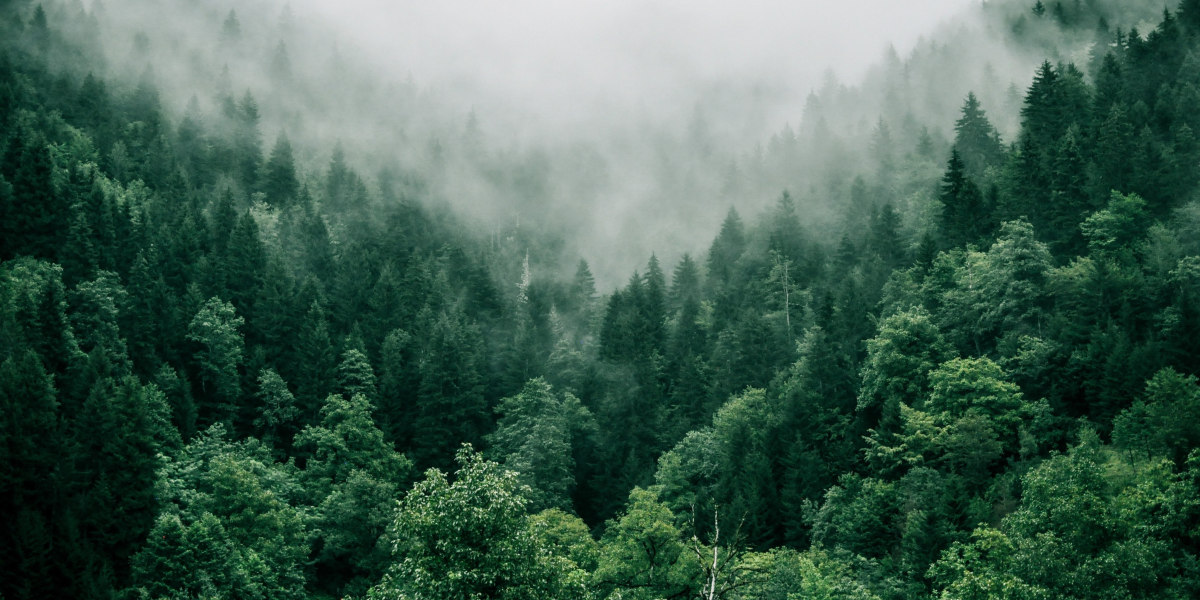
Forest restoration in Klarenbeek
About the project
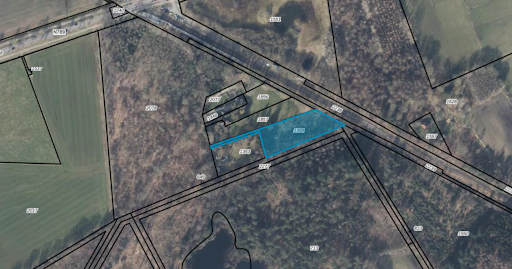
This forest patch has a history as a plantation dominated by European spruce (Picea abies). In recent years, however, the spruces have suffered severe damage from the European spruce bark beetle, making their removal by the landowner unavoidable. What remains today is a fragmented forest landscape with many open patches. In several of these areas, vegetation is now largely dominated by (potentially) invasive species such as black cherry (Prunus serotina), black locust (Robinia pseudoacacia) and bramble growth. Together with the landowner, we aim to restore this degraded forest into a diverse and resilient mixed woodland.
Objective
By removing invasive species and planting native trees, we will support native wildlife, improve soil life, and create a forest that is better adapted to the local landscape and future challenges.
Impact
Invasive species such as black cherry and northern red oak are known to outcompete native vegetation, alter soil biota, and support fewer native insects and other animals. Through this restoration project, the forest will once again become a living, dynamic ecosystem that strengthens the surrounding landscape and is better equipped to face future environmental challenges.
Supporting this project means supporting the following SDGs:
If you are interested in supporting this project, get in touch at: