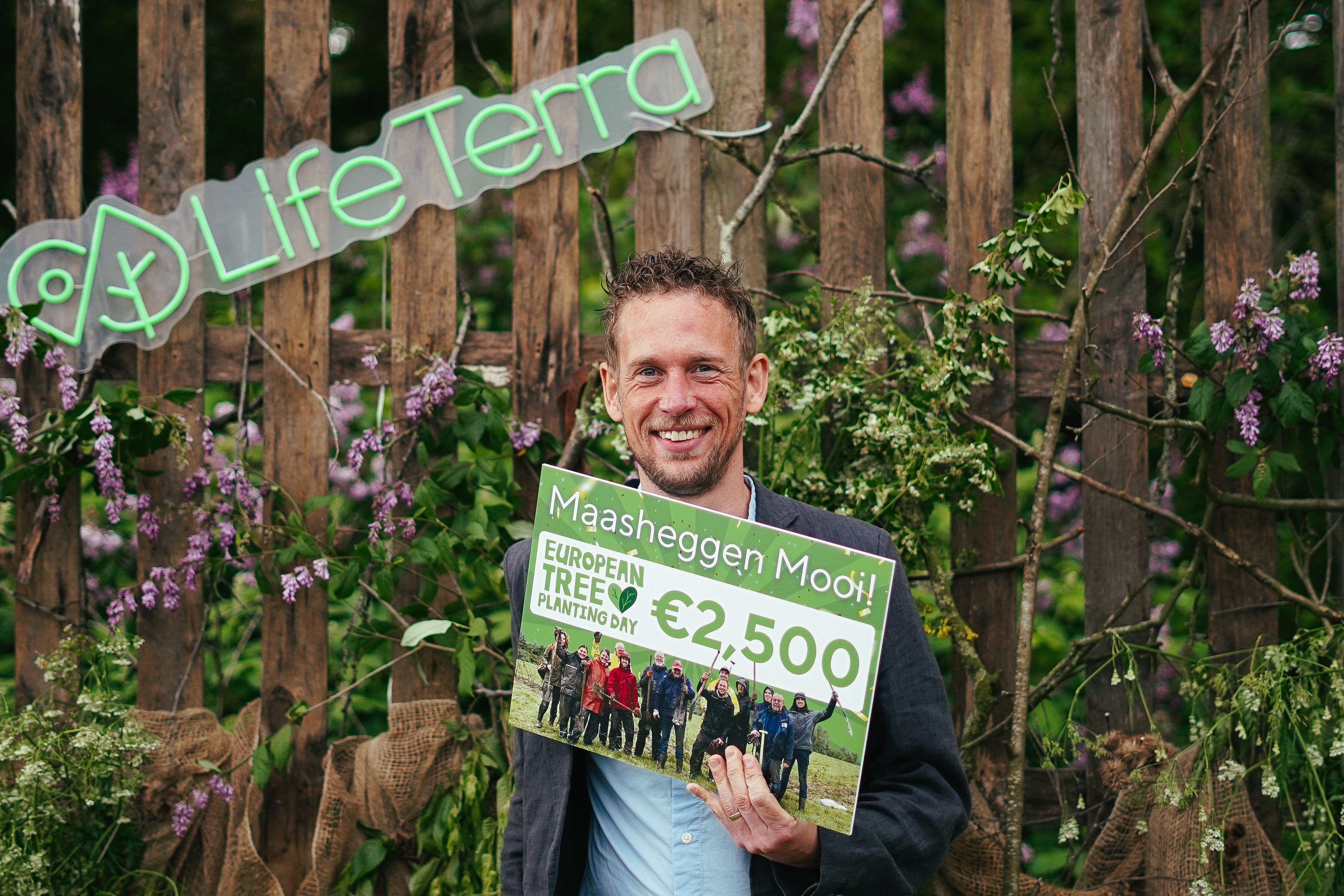
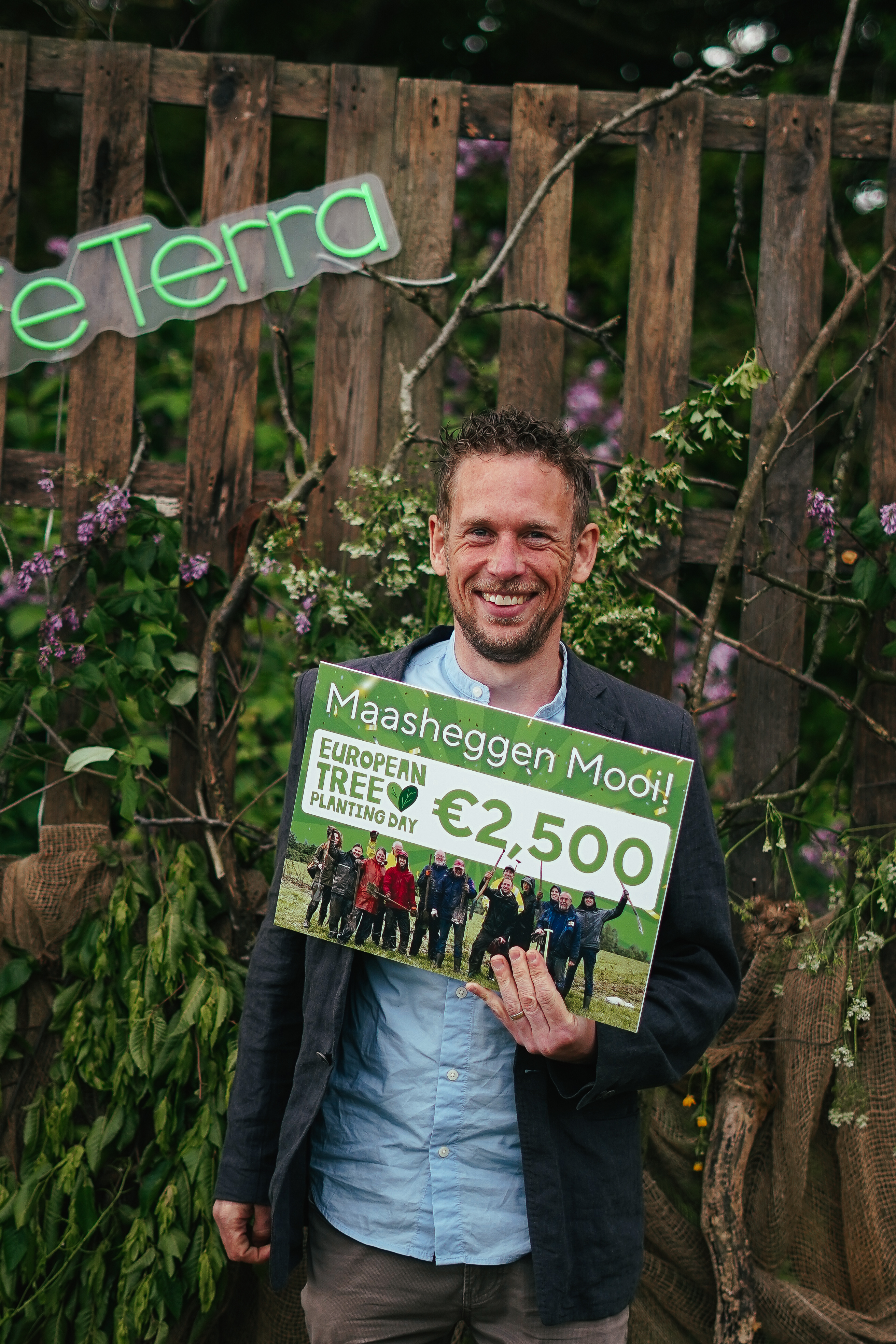
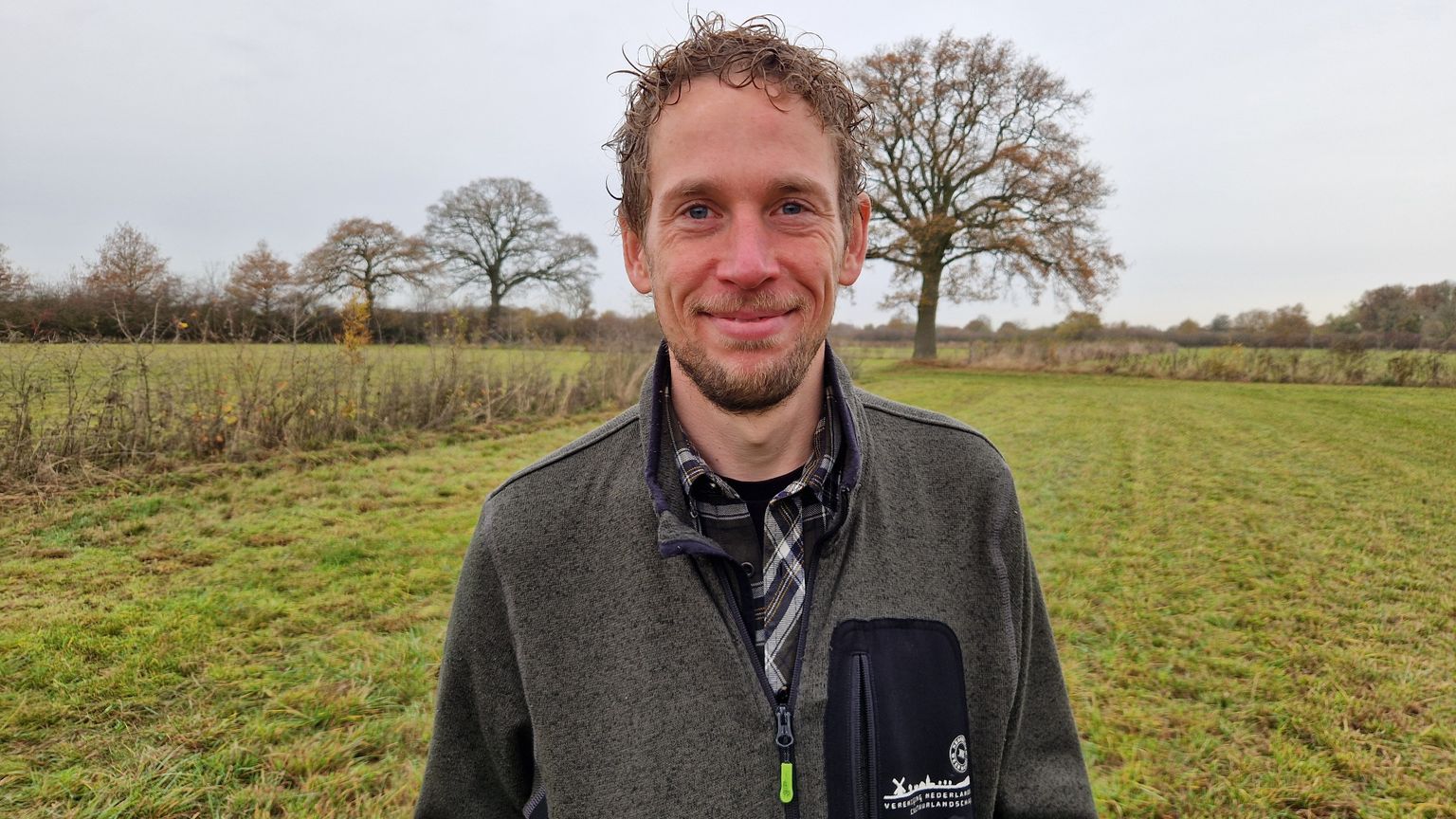
Lars van Peij, the driving force behind the Maasheggenmooi campaign, was awarded this year’s European Tree Planting Day award during the Back to the Roots event held on May 7th at the beautiful Mariënwaerdt Estate in the Netherlands. The recognition, accompanied by prize money, celebrates years of dedication to restoring the historic Maasheggen landscape, preserving local traditions, and mobilising communities around hands-on climate action. A rare moment where the people doing the actual work get called on stage instead of just the people making slides about it.
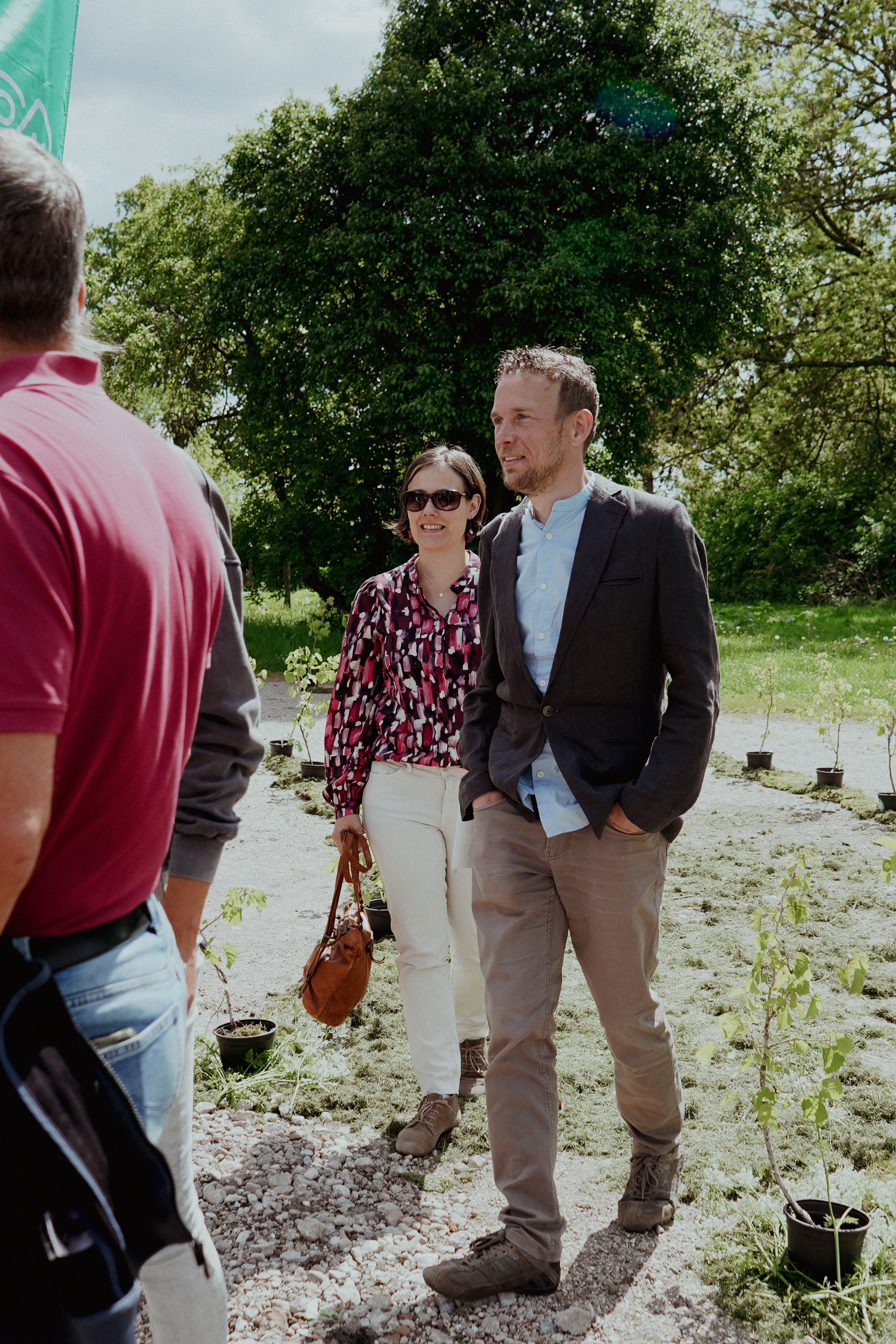
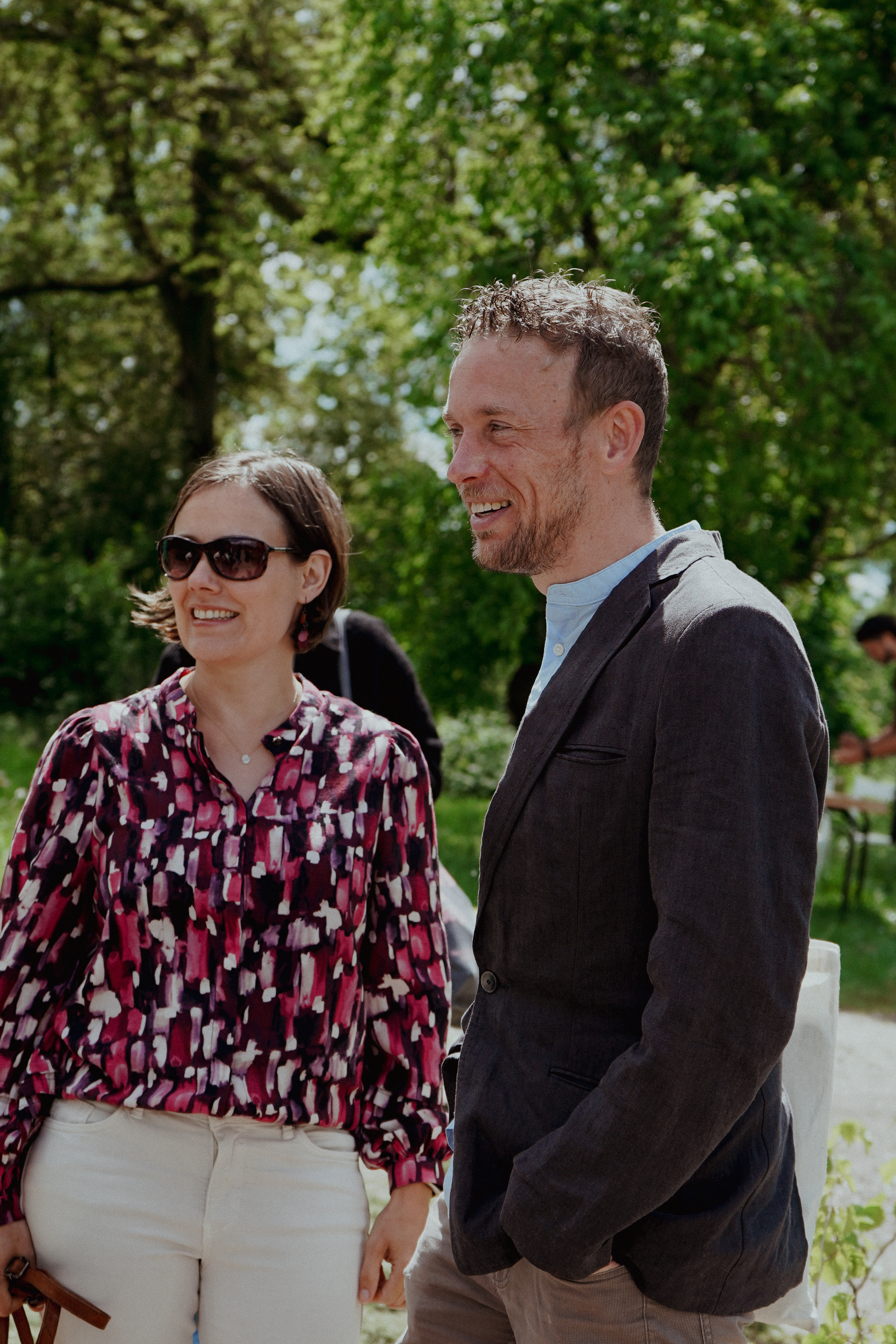
During Life Terra’s fifth anniversary gathering, partners, supporters, clients, and friends came together to celebrate projects creating long-term environmental and social impact across Europe. Lars’ work stood out as a powerful example of how landscape restoration can reconnect biodiversity, culture, and local identity.
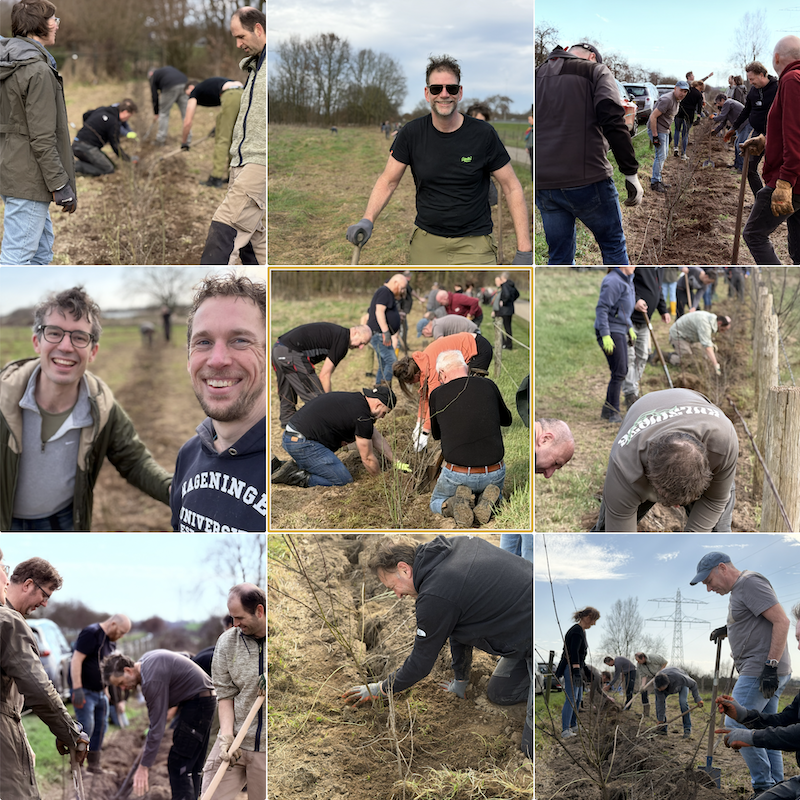
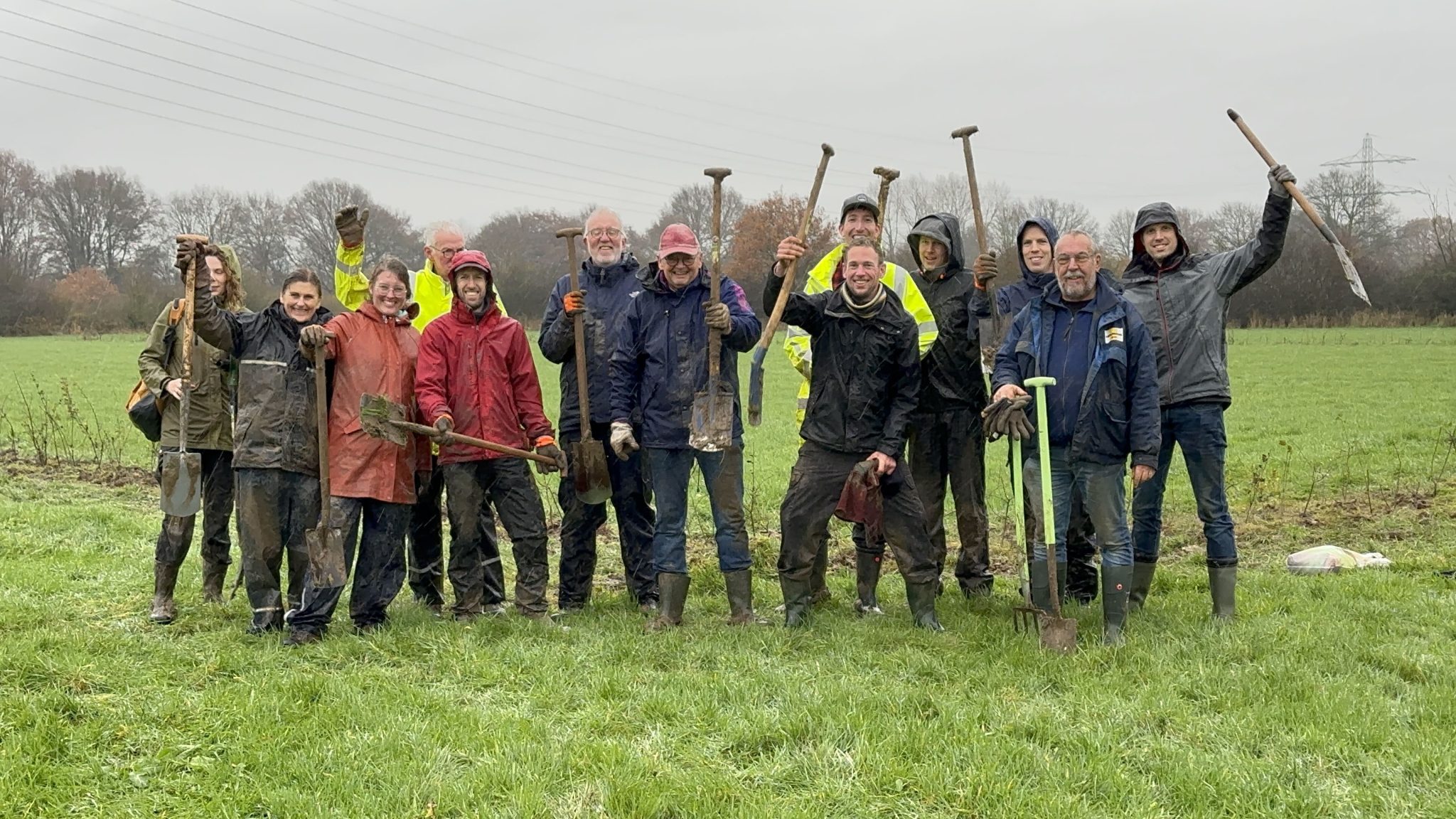
This 2025-2026 planting season, the Maasheggenmooi campaign continued to expand, bringing together even more volunteers across five different planting locations. Together, they have already achieved:
2.9 km of new biodiverse hedges
More than 12,000 trees and bushes planted
6 different native species introduced to strengthen biodiversity and landscape resilience
The mixed hedges help restore the landscape while protecting agricultural fields from erosion and wind damage. At the same time, they create a growing network of green infrastructure that offers shelter and migration routes for insects, birds, and small mammals.
The Maasheggen area was declared a UNESCO Biosphere Reserve in 2018 and remains the only landscape in the Netherlands with this status. Known as the country’s oldest cultural landscape, it is characterised by a unique patchwork of meadows and fields separated by dense hedges of hawthorn and blackthorn.
The initiative also helps preserve traditional practices such as hedge laying and weaving (heggenvlechten), historic techniques used to create “living fences” for livestock long before humans decided industrial fencing and monocultures were the peak of civilisation. The result is a living landscape that supports biodiversity, local heritage, sustainable agriculture, and tourism all at once. Which, inconveniently for modern systems, turns out to work pretty well.