Why Biodiverse Reforestation Matters More Than Ever
Ecosystems are a combination of multiple actors and processes interconnected, each playing a crucial role in keeping it alive and healthy. Biodiversity helps nature stay in balance, and its decline can put ecosystems and human life in danger.
A biodiverse forest enhances soil structure and improves water retention, which in turn provides better habitats for fauna. But not only animals get the benefits of it. Biodiverse ecosystems provide clean water, improve the quality of air and are a food and medicine source for humans.
However, biodiversity is under threat. A recent report from the European Environmental Agency (EEA) showed that 81% of habitats are in poor or bad condition. And this decline is only expected to continue.
The state of Europe’s forests
We have the perception that Europe has many forests, especially in northern countries like Finland, Sweden or the Baltic countries. However, the forest cover in Europe is only 35%. Since 1990, there has been a 9% increase, but the growth rate is slowing down.
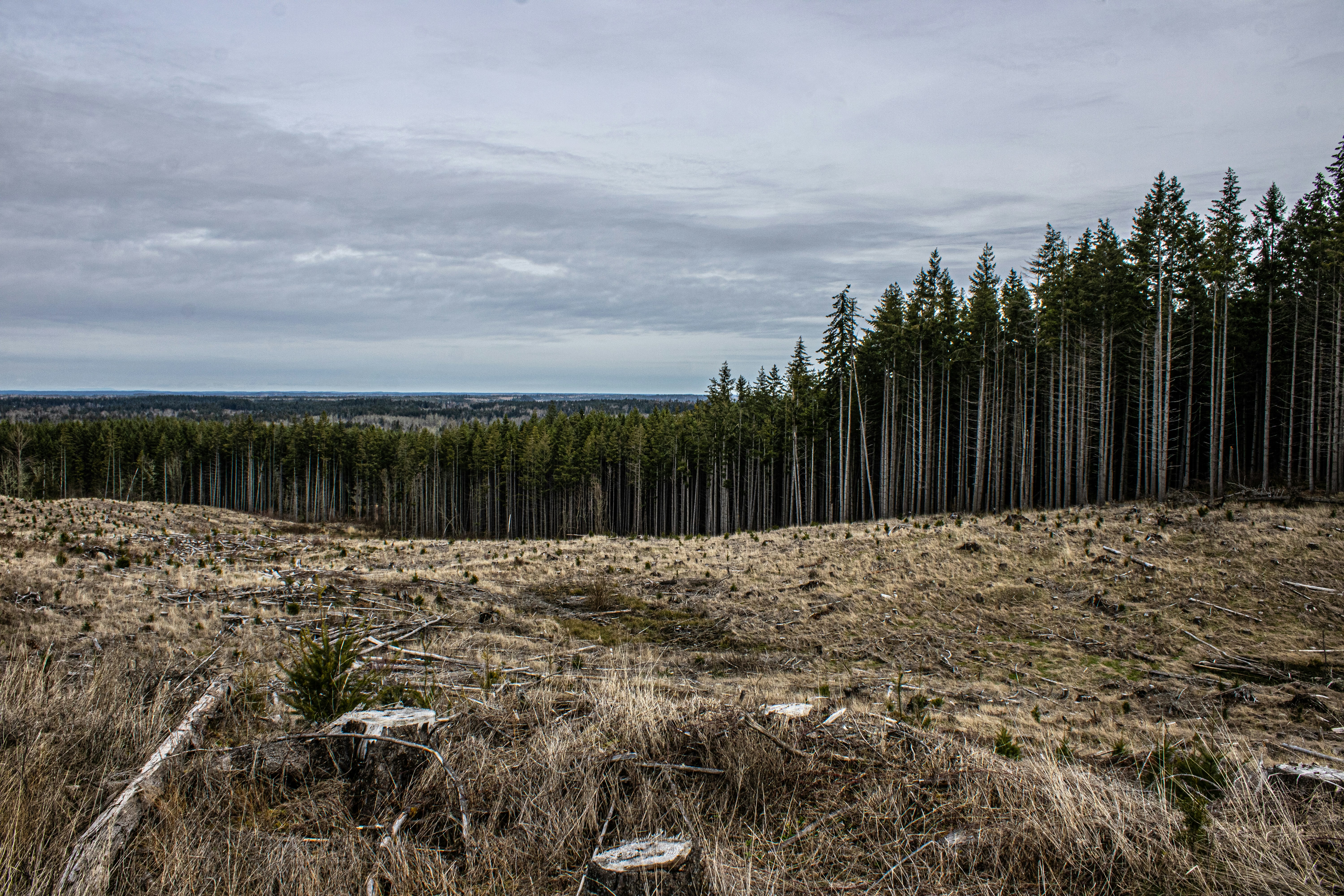
Furthermore, a 3% of these forests, about 10.7 million hectares (or 15 million football pitches), are deteriorated or damaged. This means that they have lost their ability to regenerate in a natural way and provide ecological benefits. Damaged forests lead to degraded soils, allow pests to spread more rapidly, and deprive wildlife of vital shelter and food sources.
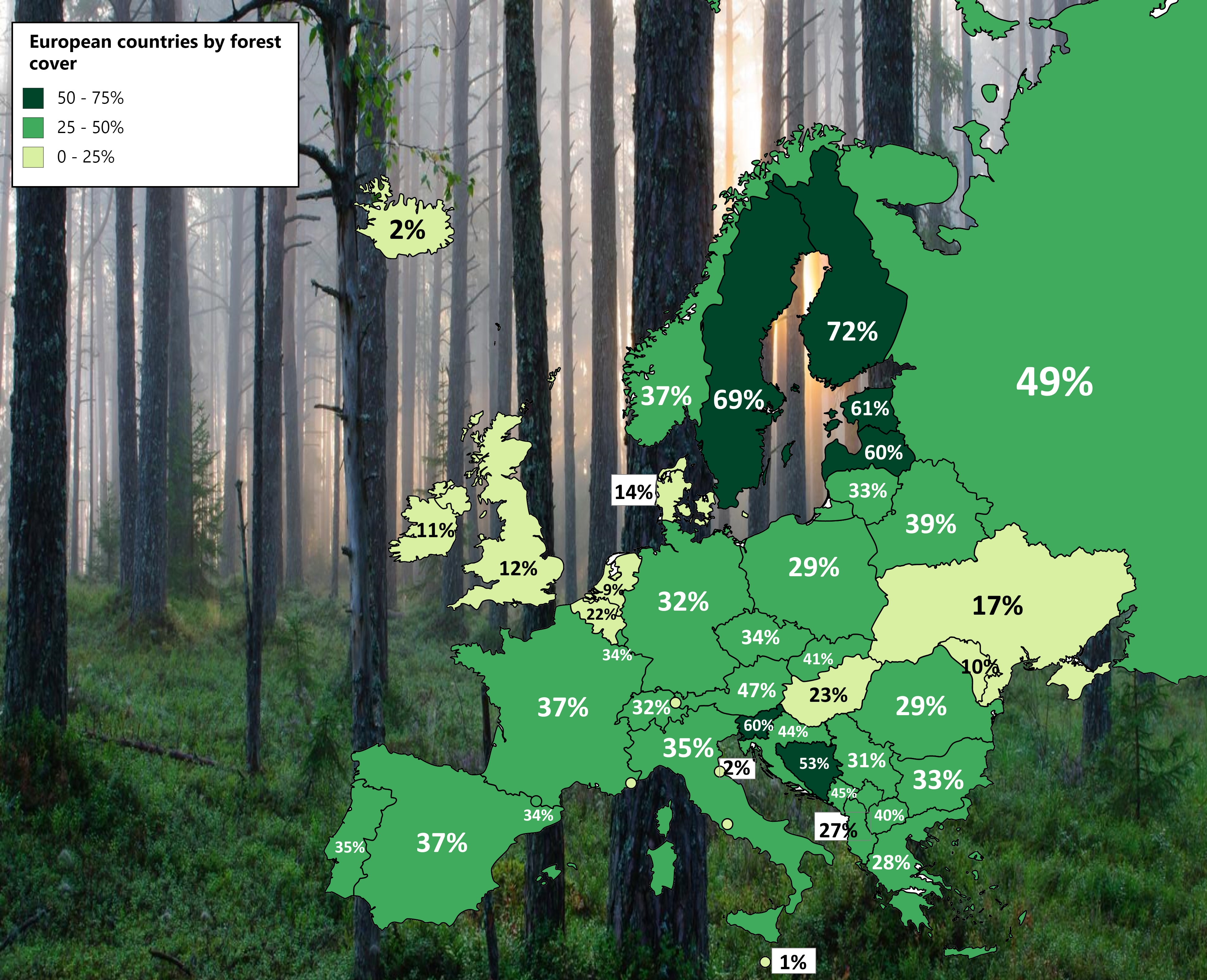
Source: Wikimedia commons.
Planting diversity
This is where ecosystem restoration and tree planting come into play. However, it will be essential to assess how and where the trees are planted. Reforestation has to be biodiverse to recover the landscape, and it has to involve the local community to ensure long-term care and maintenance.
A mix of native trees and shrubs suited to local environments helps to strengthen soil health, boost water retention, and support fauna. Adding shrubs alongside trees will also decrease erosion and help build ecosystems that more closely reflect natural forest landscapes.
What we have seen in the field
Life Terra has carried out ecosystem restoration projects in more than 30 countries in Europe. All plantings are multi-species based, a minimum of 6-8 native species of trees or shrubs adapted to the conditions and needs of the land. In five years, we have planted more than 500 species to restore land in diverse contexts: forests, agroforestry systems, food forests, and urban green spaces.
And, the outcome is really encouraging: an average survival rate of 76% across all plots monitored. This is also thanks to the local community (volunteers, companies, local organisations and partners) involved in the projects that ensure the financial support, and the trees' maintenance and long-term care.
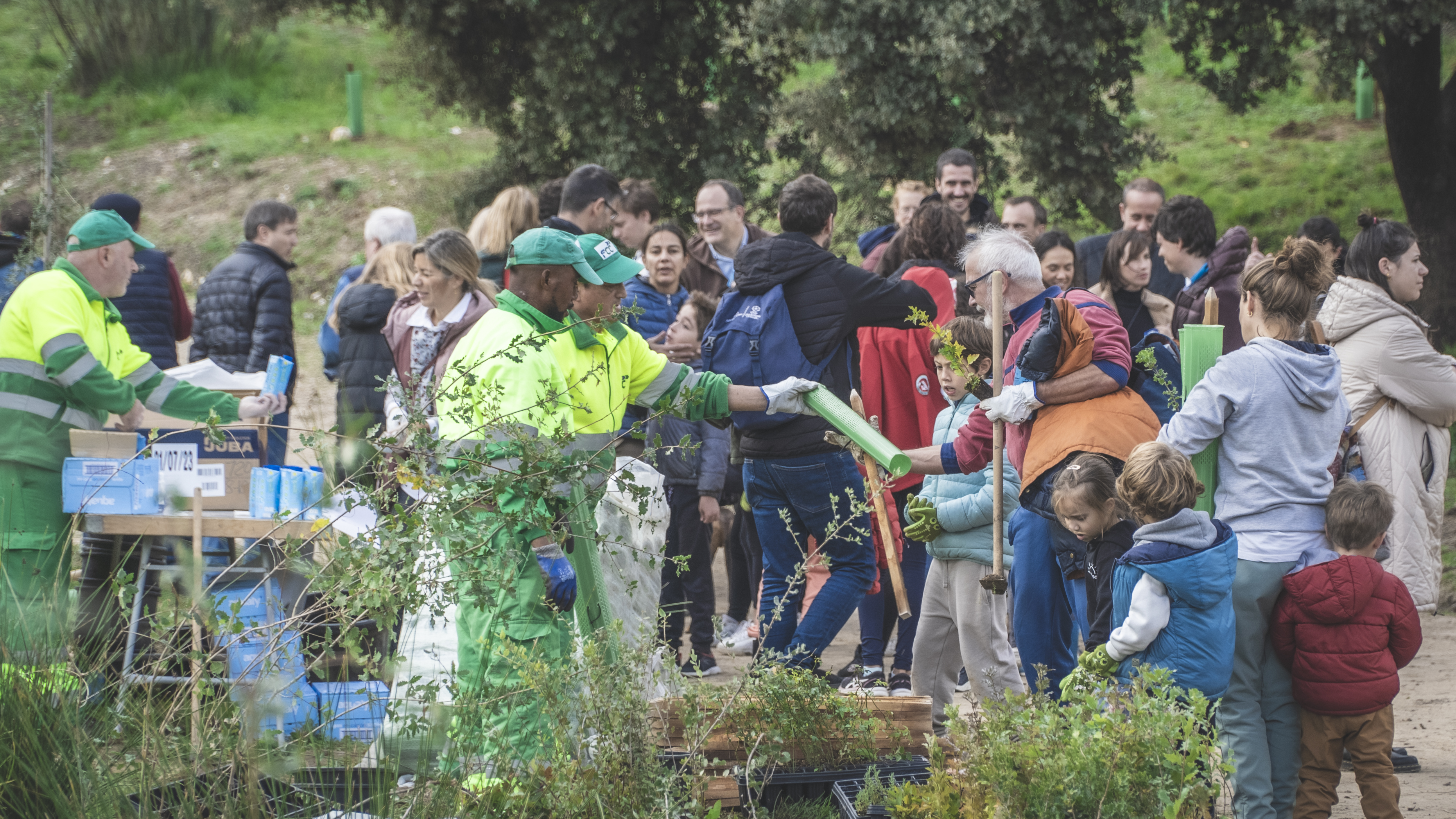
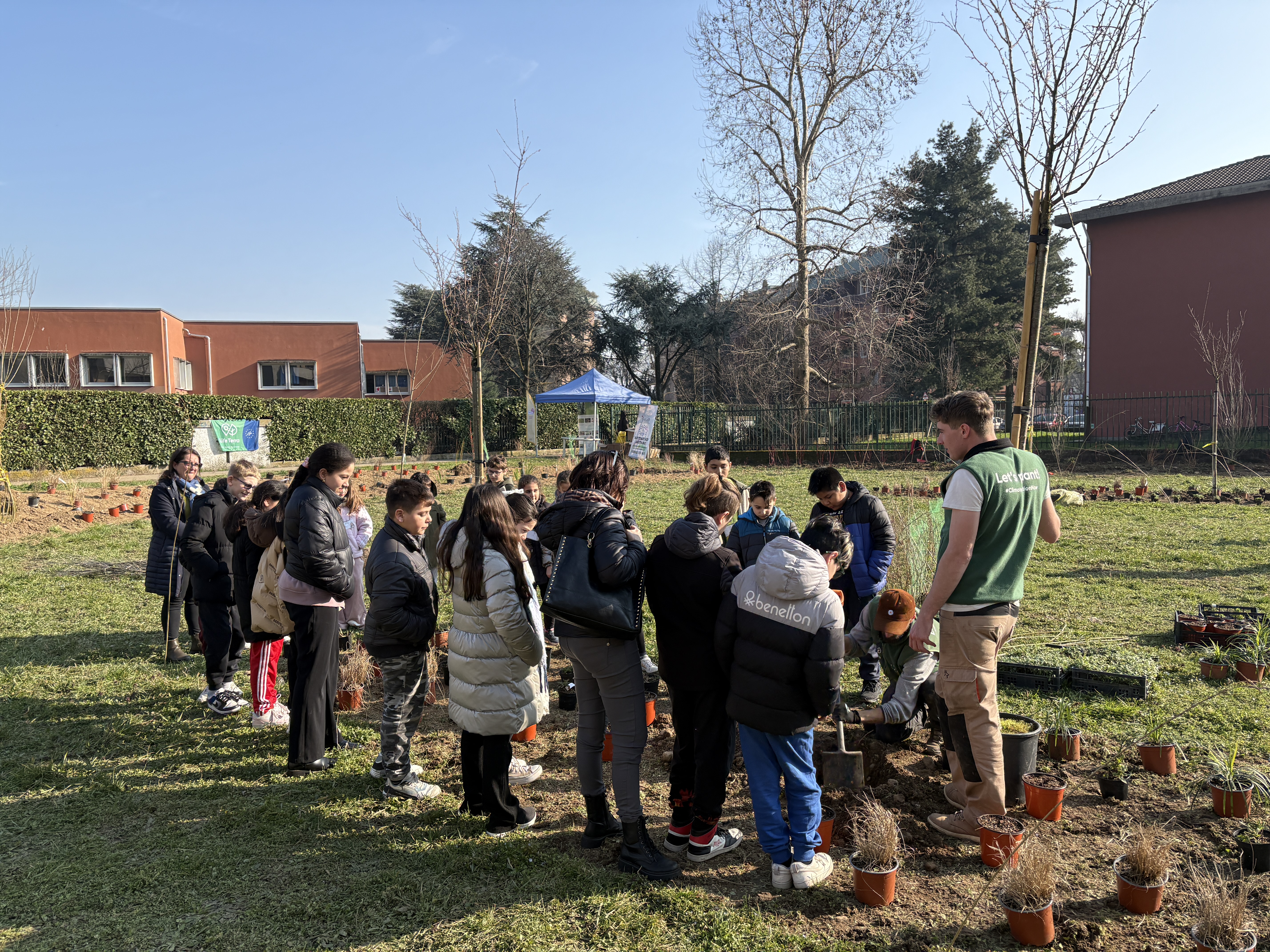
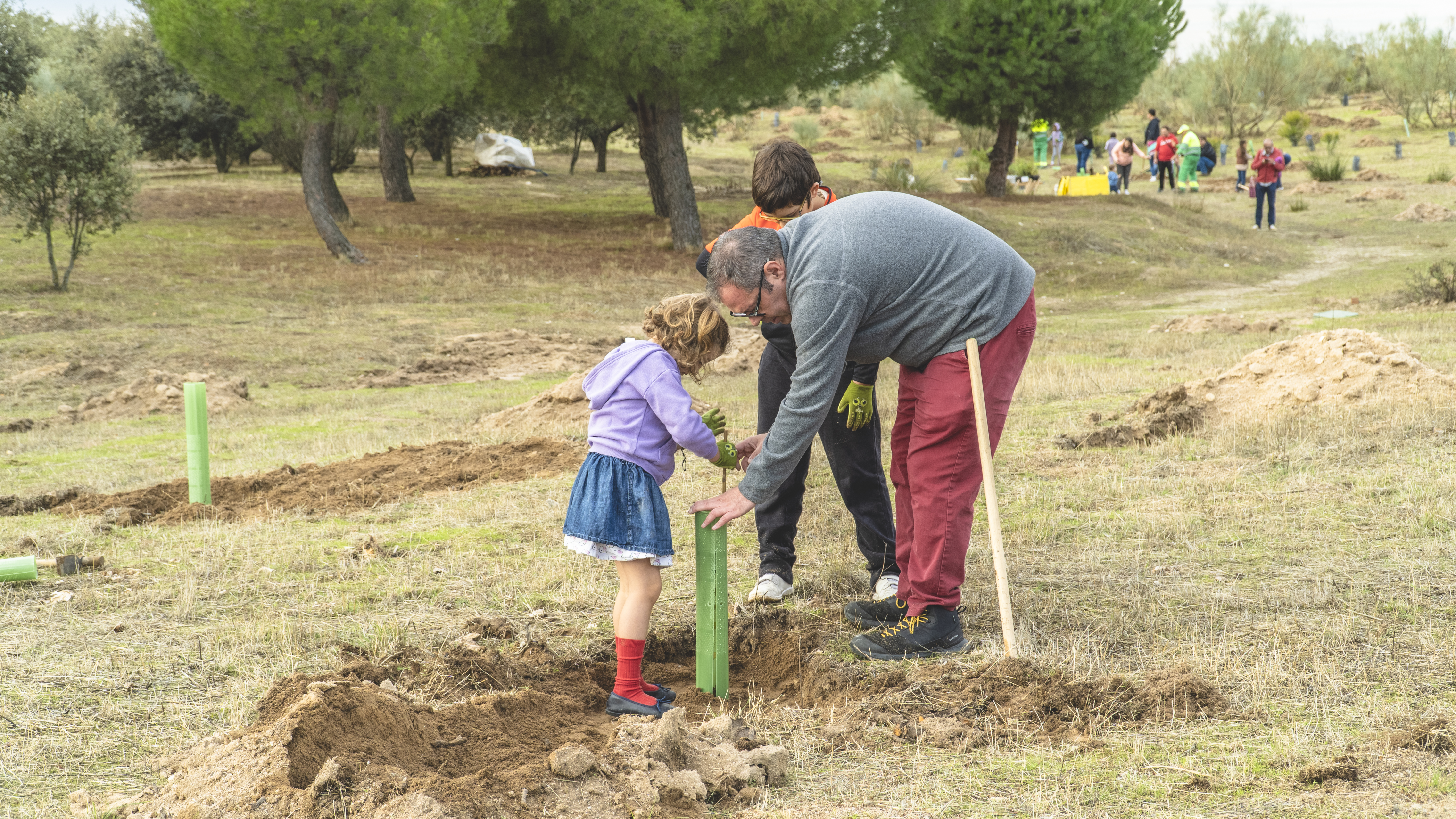
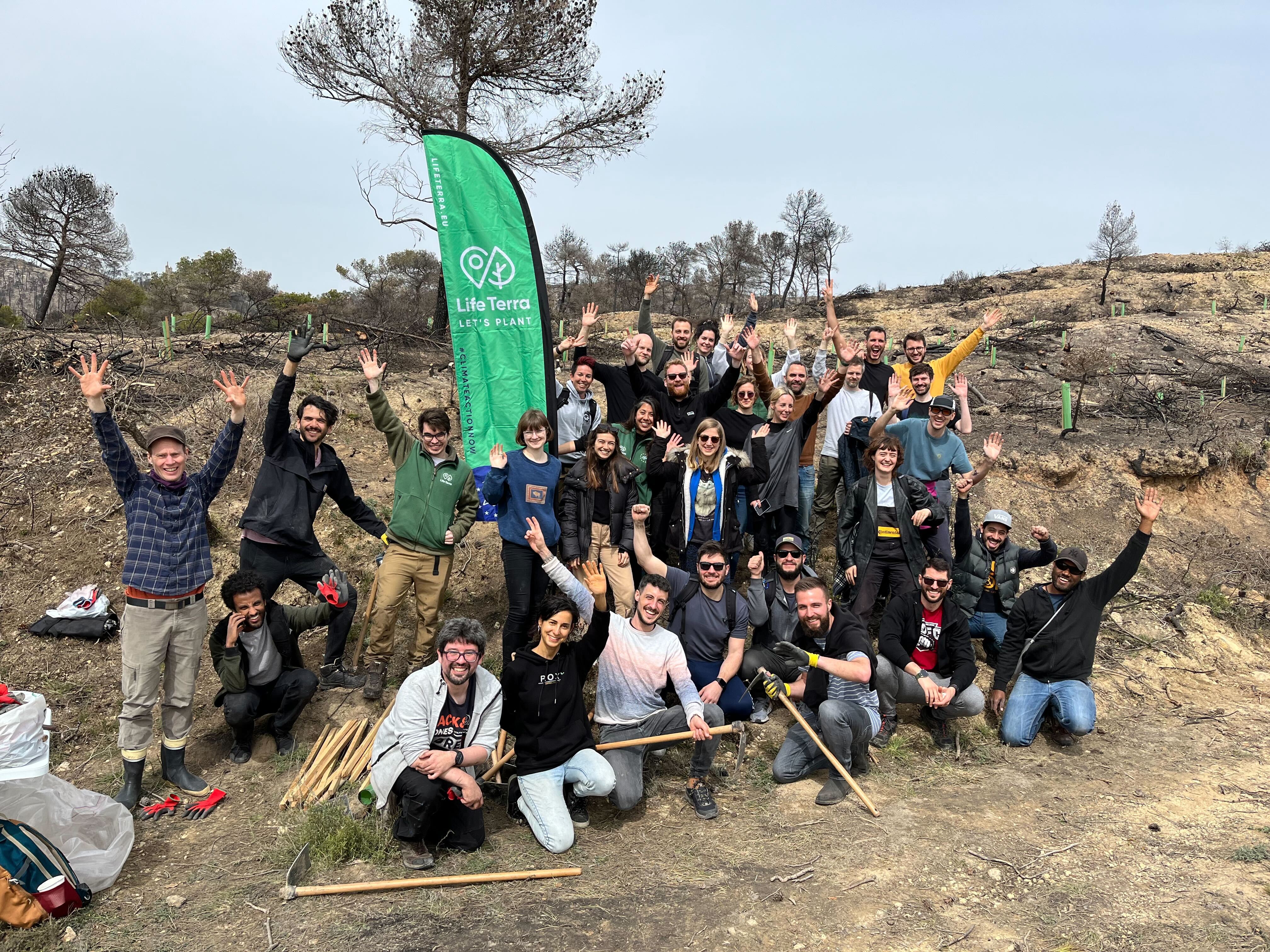
We strongly believe that reforestation must be rooted within the community, as it creates a link between the restored area and the people involved. Throughout the project, Life Terra has involved more than 125,000 citizens in climate action across Europe. Like with the species planted, we saw a diversity of people attending our events, from children to elderly people and entire families.
Healthy, diverse ecosystems are our strongest allies in facing climate change and creating healthier landscapes. If you also believe biodiversity and people should be at the centre of reforestation, get in contact with us to explore how we can start taking meaningful local action.