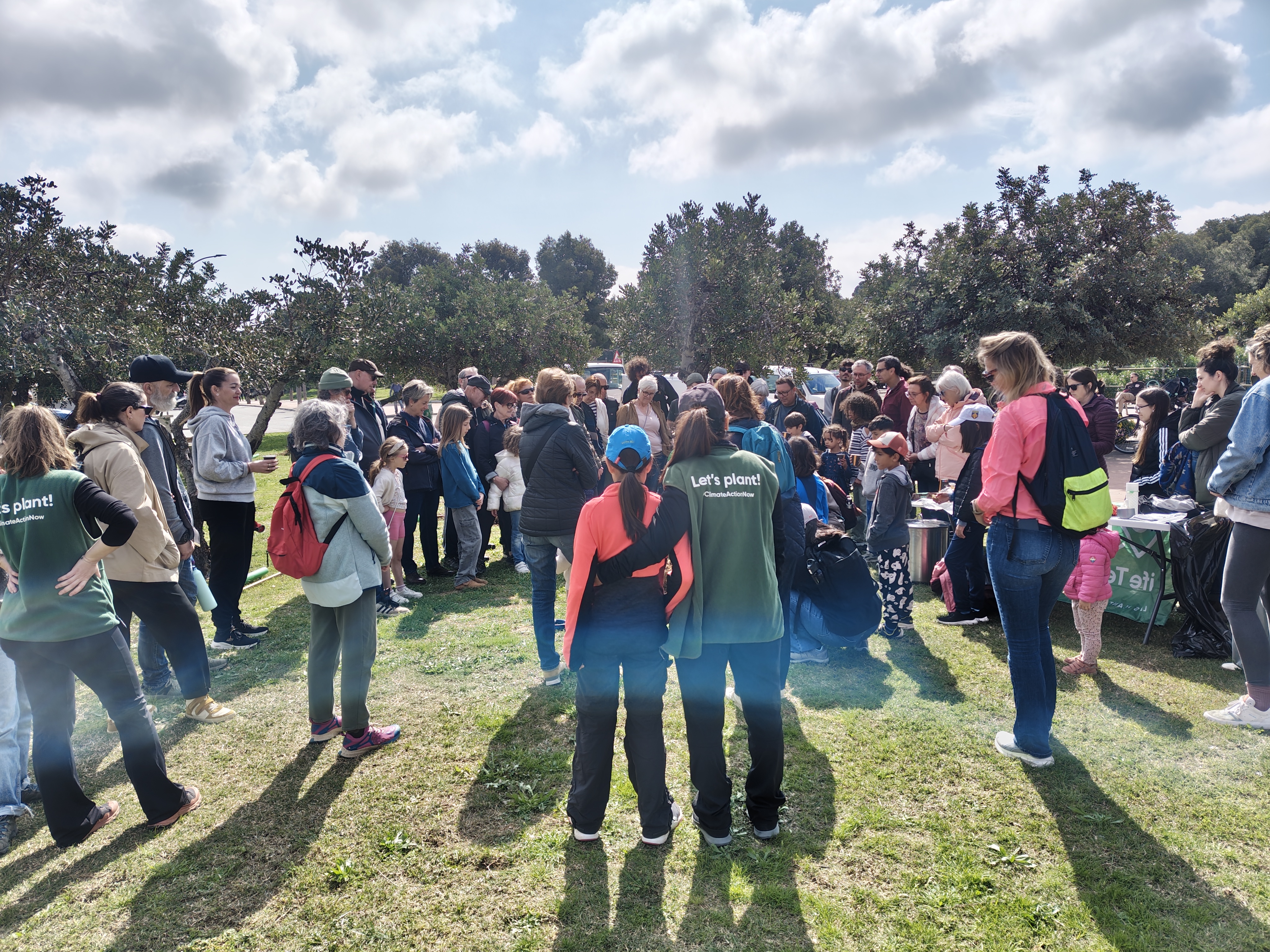
The EU Nature Restoration Law (Regulation (EU) 2024/1991) entered into force on 18 August 2024, marking the first legally binding ecosystem-restoration regime in European history. A major landmark in this timeline is 1 September 2026—the deadline for Member States to submit their draft National Restoration Plans (NRPs) to the European Commission under Article 16.
To ensure that national strategies reflect real-world restoration realities, Life Terra stepped up ahead of this deadline with structured, evidence-based contributions to public consultation processes in France (concertation continue), Portugal (participa.pt), and the Netherlands (internetconsultatie.nl).
What We Did & Why

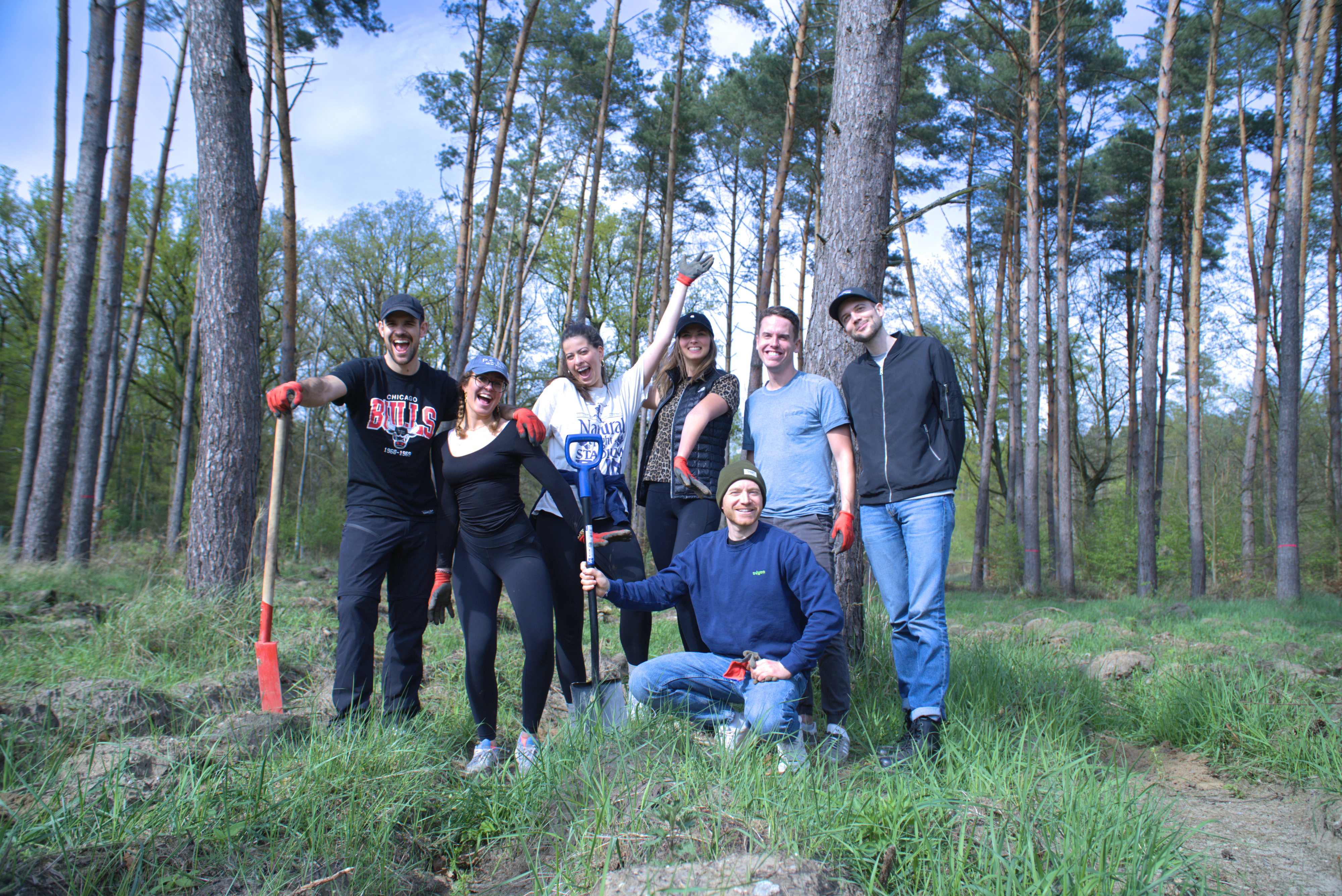
Drawing directly from our field-level data across thousands of European restoration sites, we submitted detailed input to national ministries. Our contributions focus on practical, scalable solutions across three core pillars of the Nature Restoration Law:
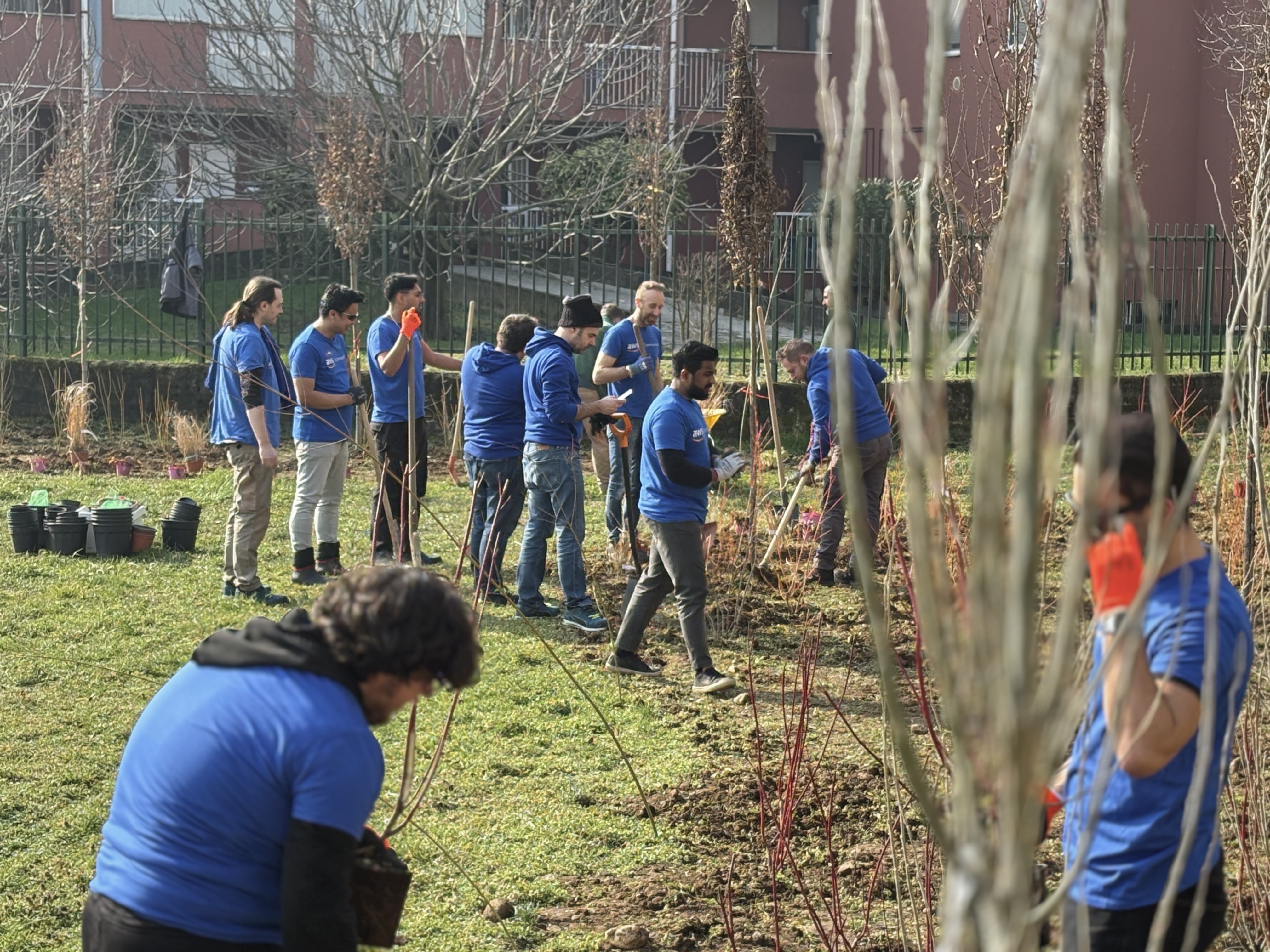
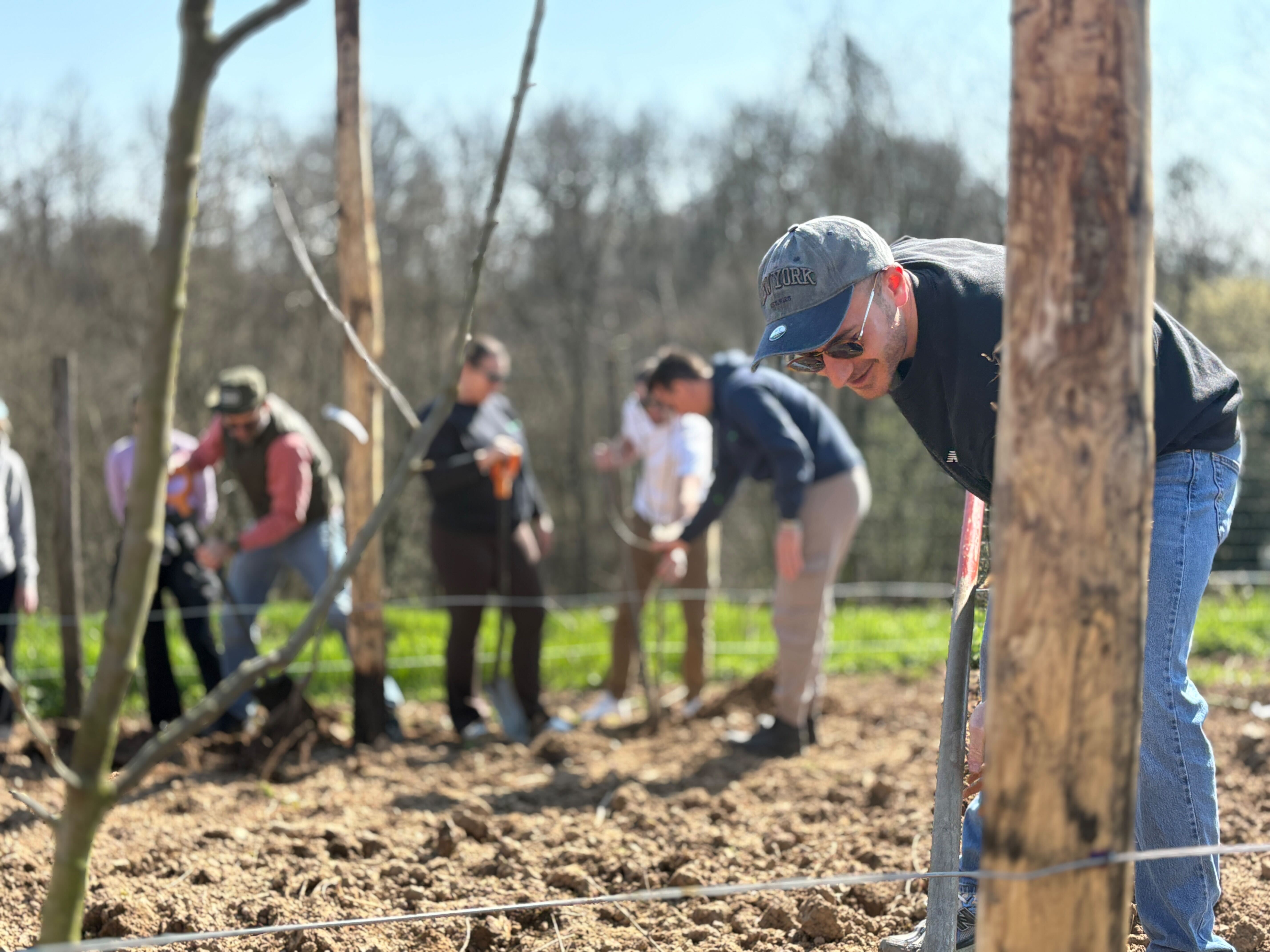
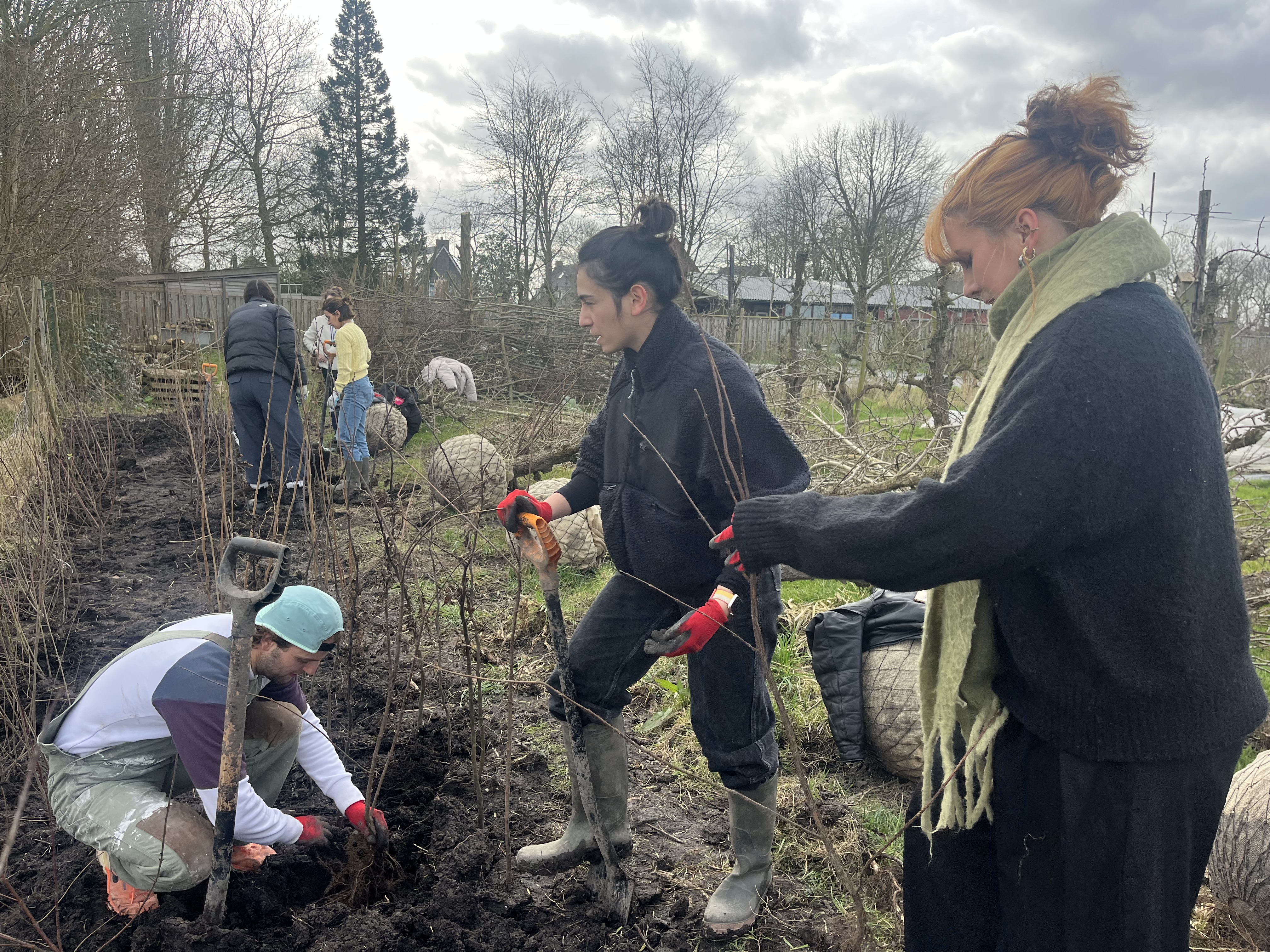
Agricultural Landscapes: Advocating for high-biodiversity agroforestry, hedgerows, and shelterbelts integrated with national CAP Strategic Plans.
Urban Greening (Article 8): Sharing workable delivery models and canopy tracking frameworks to help municipalities expand urban tree cover.
Forest Ecosystems & Carbon: Providing field-tested species selection and geo-tagged monitoring data to support high-integrity, climate-resilient afforestation.
What Purpose This Serves
Policy works best when informed by proven field experience. By feeding empirical data—such as tree survival rates, community engagement metrics, and open-data mapping—directly into these national planning processes, Life Terra serves as an active civil-society bridge between local planting actions and EU-wide climate and biodiversity targets.