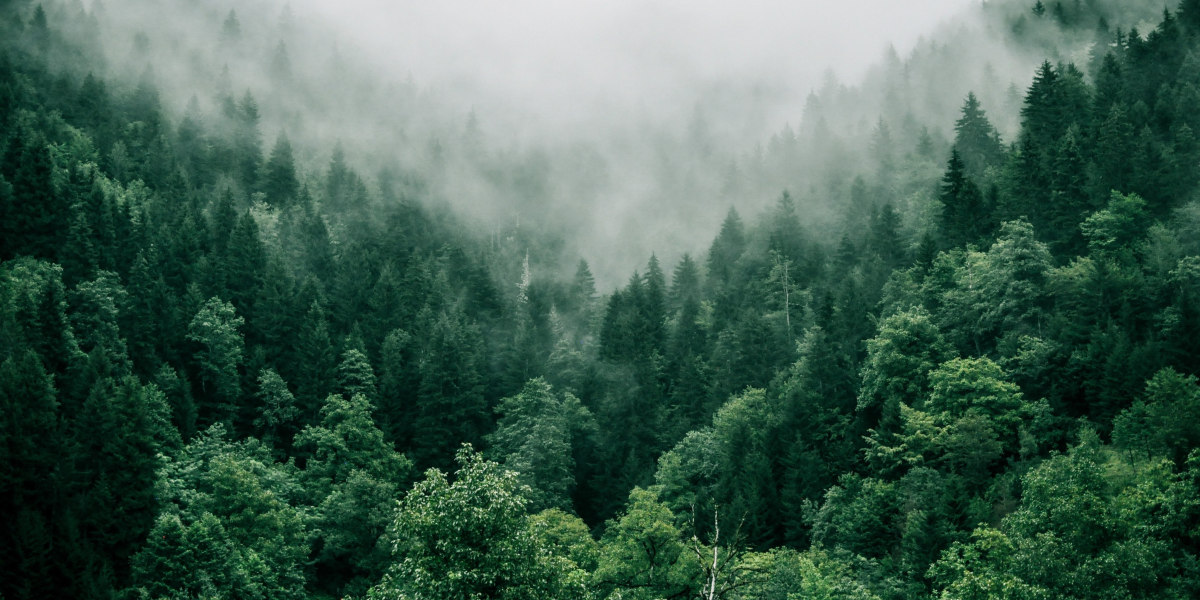
In the region of Bergisches Land, North Rhine-Westphalia, large parts of the forest landscape have been severely affected by climate change.
Long droughts in recent years reduced groundwater to record-low levels, while rising temperatures and irregular rainfall patterns made trees more vulnerable to pests. In particular, spruce monocultures, common in German forestry, were devastated by bark beetle infestations, leaving behind large degraded areas.
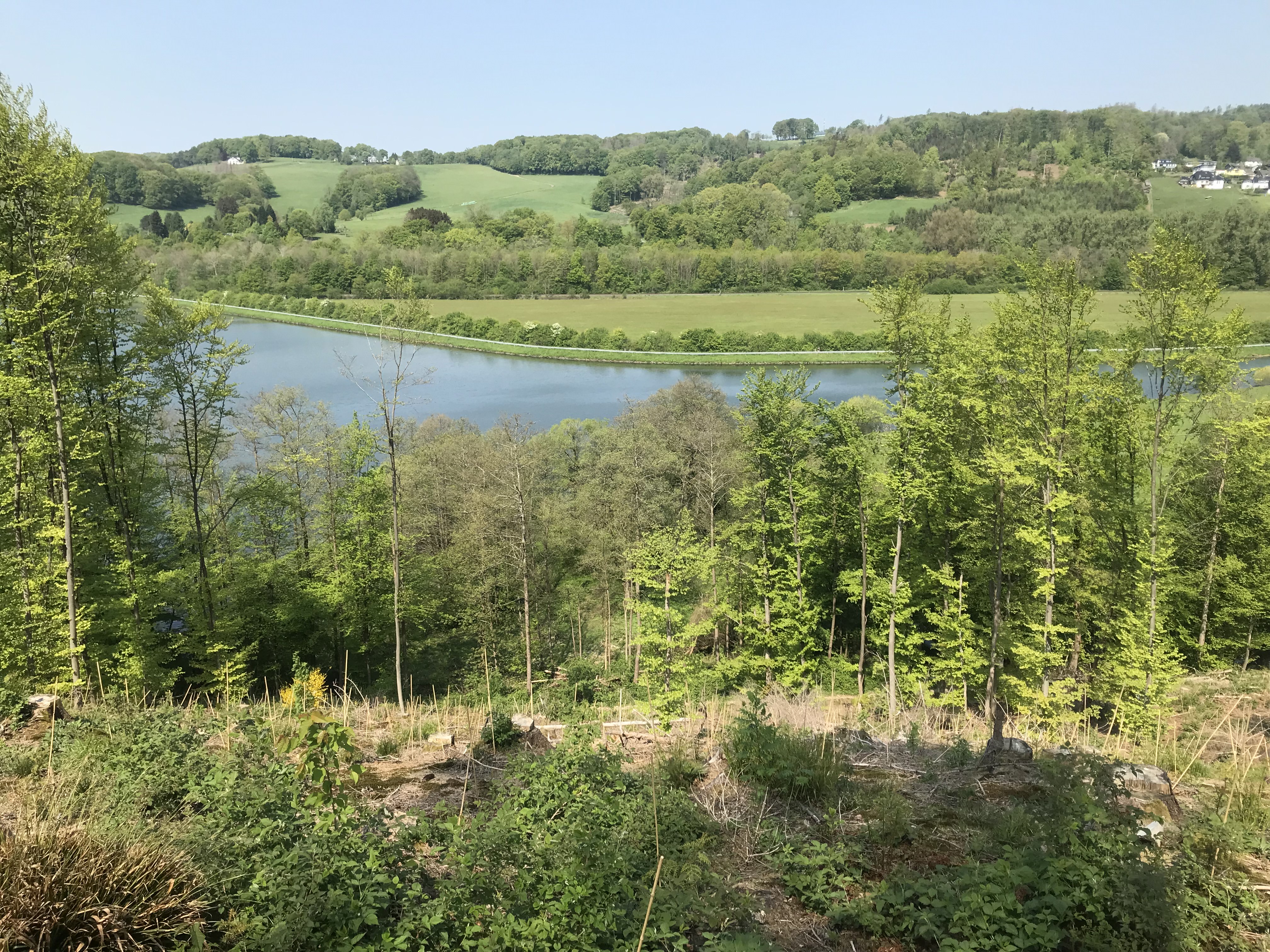
On land previously covered by spruce, Stift Ehreshoven Foundation and Life Terra started in 2021 the creation of the first climate forest (Klimawald) in Germany. The goal is to establish a diverse, climate-resilient forest that can better withstand the rapid environmental changes of the region.
If you are interested in adopting trees from this project, reach out at:
Species selection and adaptation
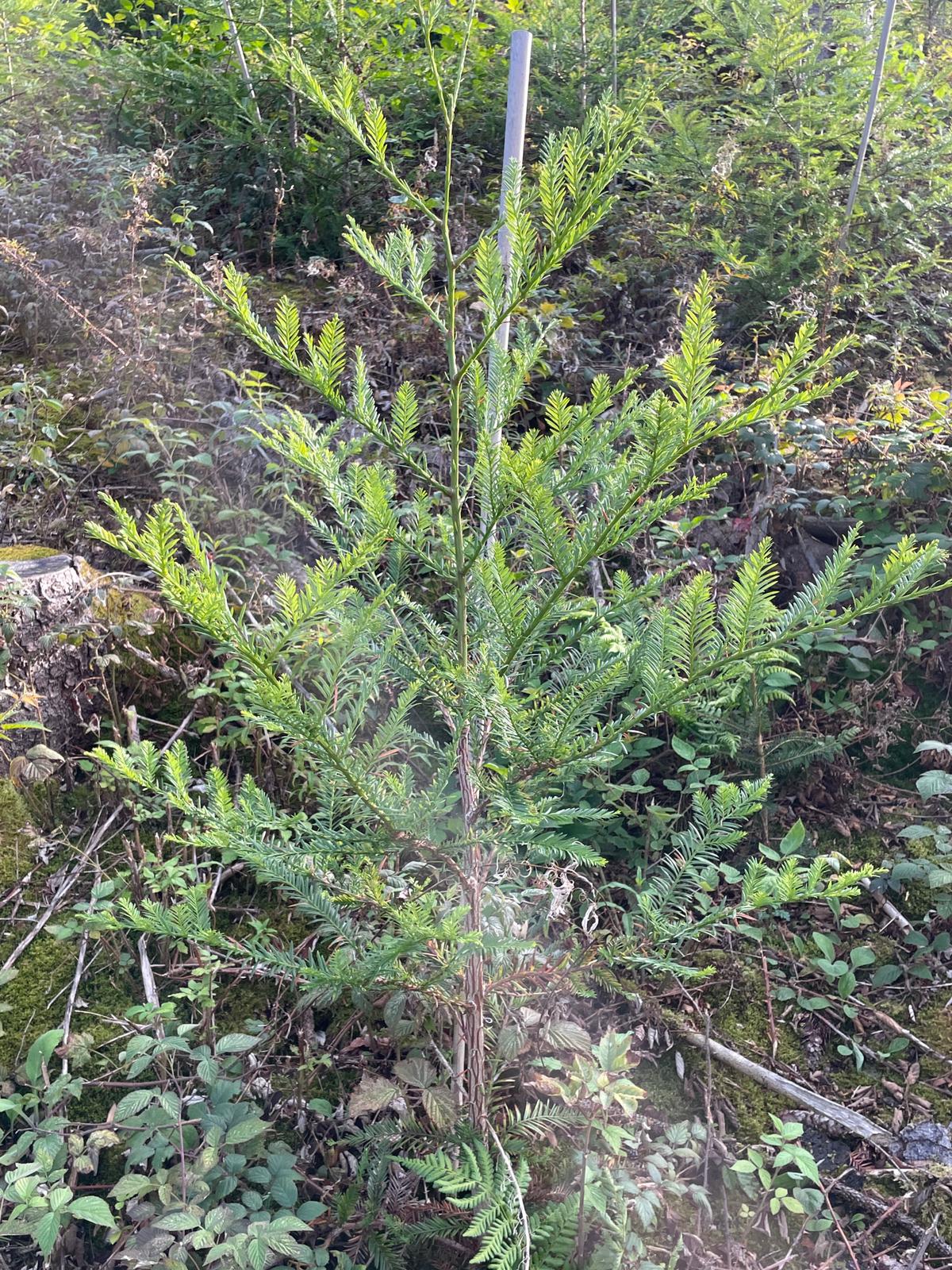
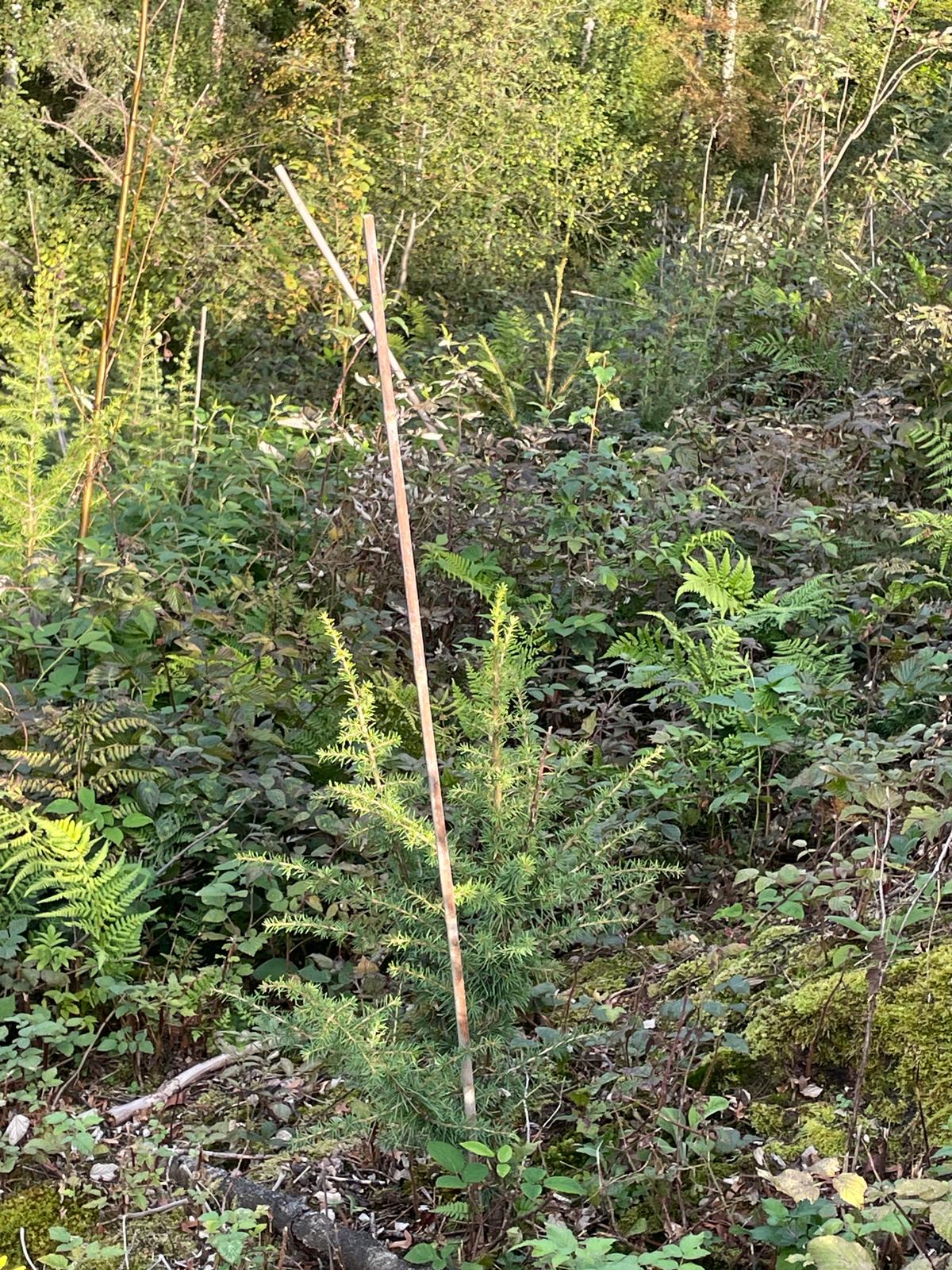
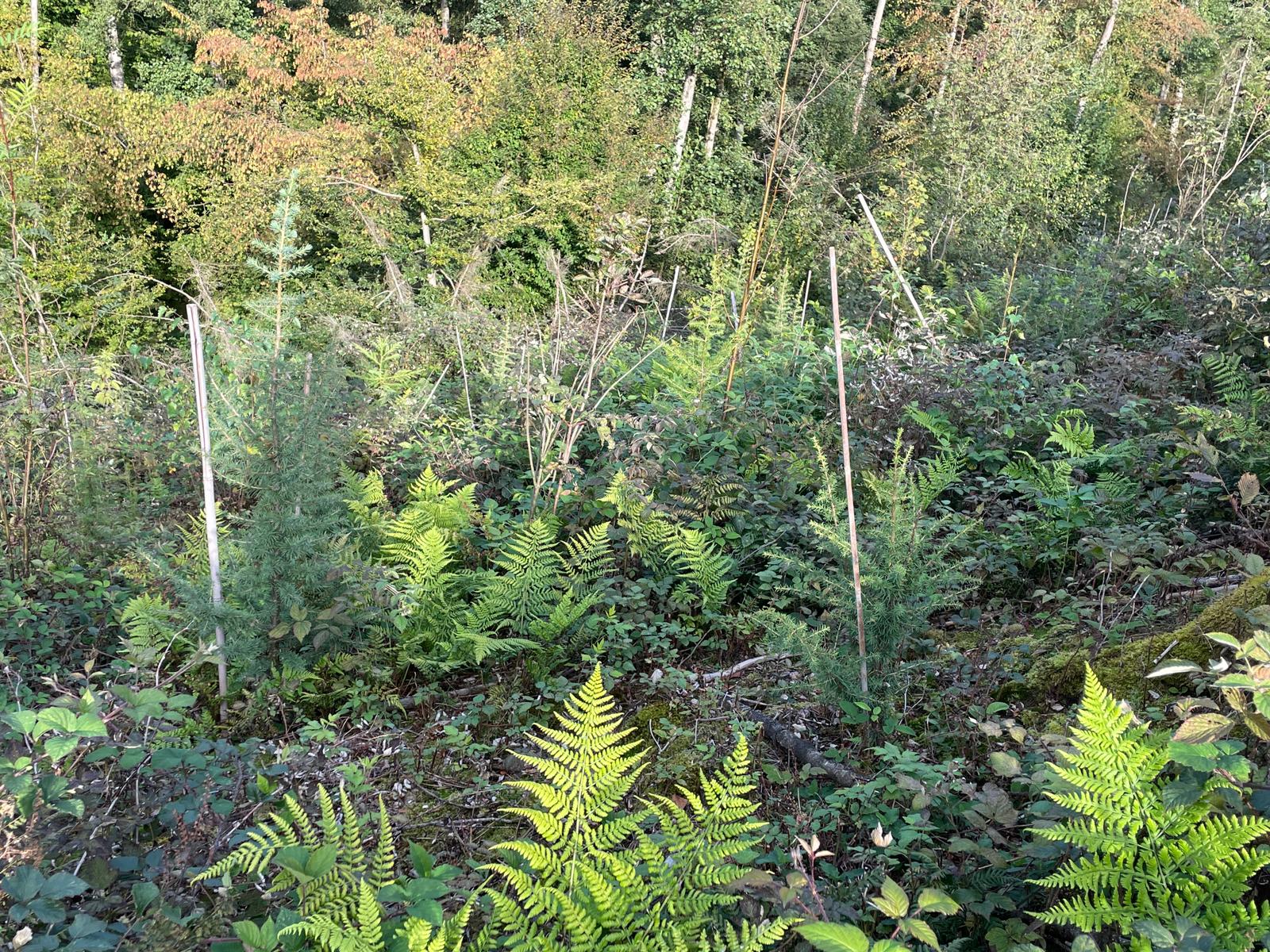
To maximize resilience, a mix of 16 deciduous and coniferous species was planted, many of them sourced from Spain. These saplings are accustomed to wide temperature ranges (from -10°C to +40°C) and long periods of drought, characteristics that make them suitable candidates for the expected climate conditions in central Europe. By introducing a higher diversity of species, the project also aims to reduce vulnerability to pests and promote a stable forest structure.
Impact and resilience
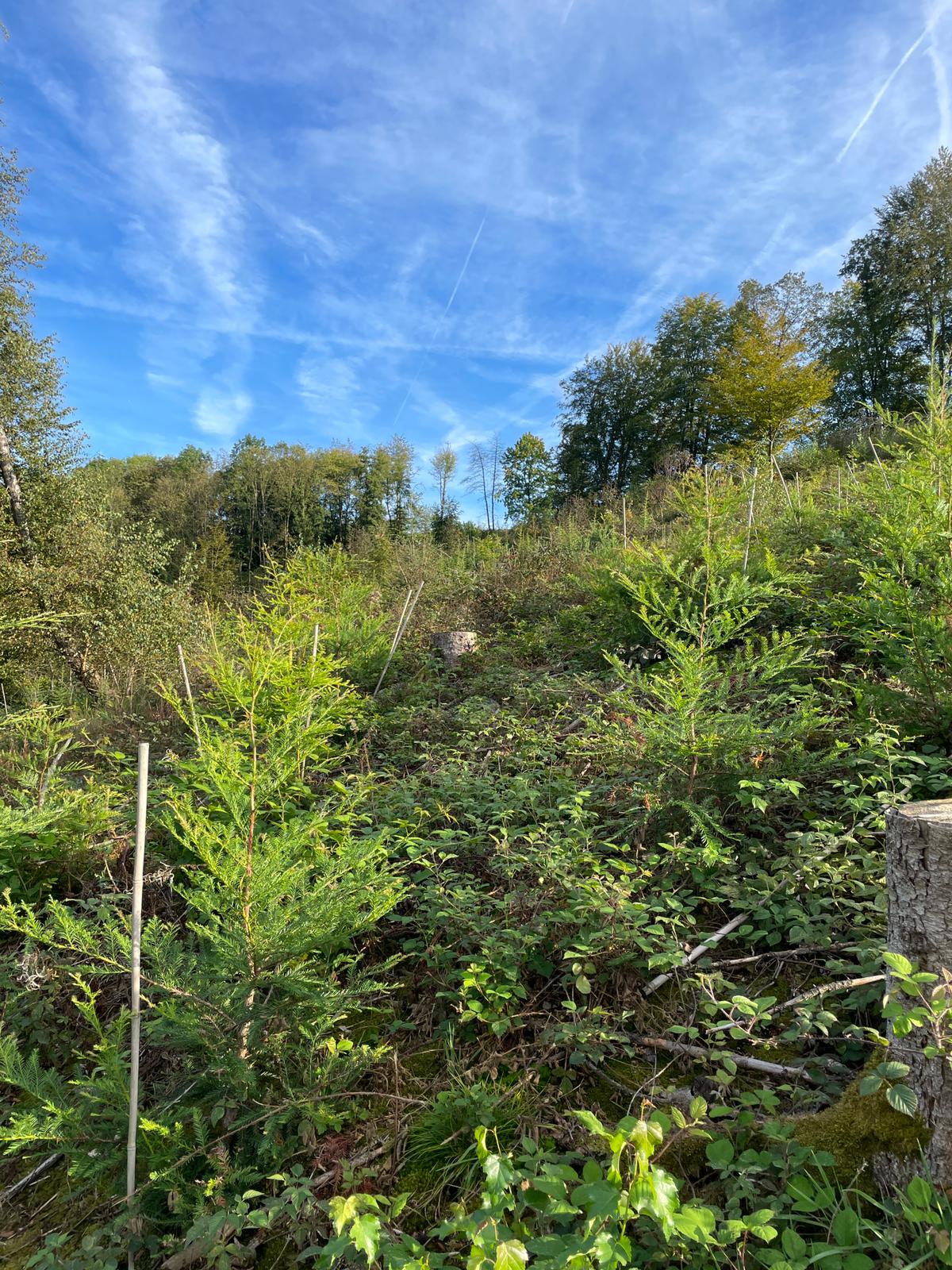
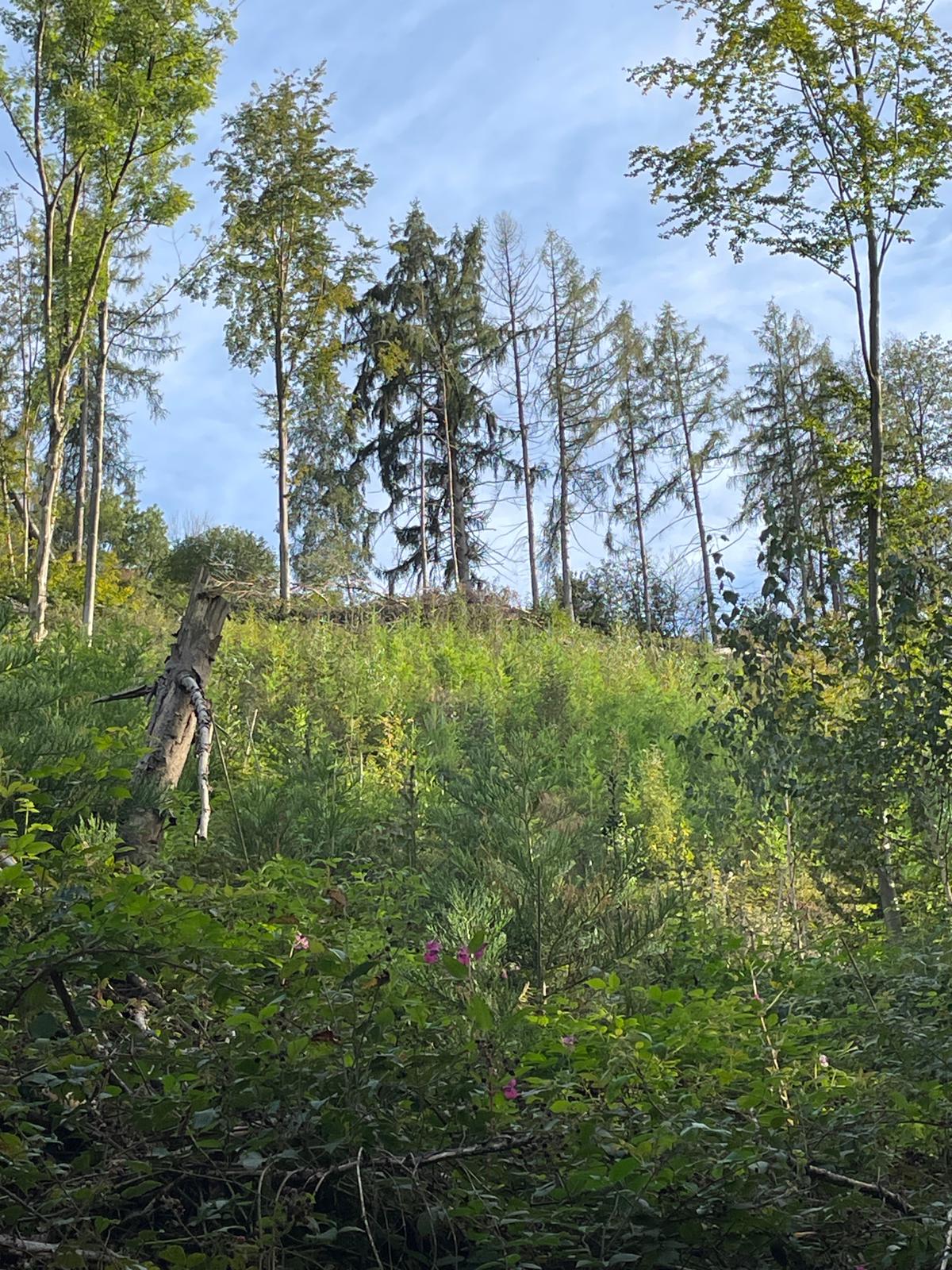
In total, around 19,500 trees were planted across 5 hectares in March 2021. After one and a half years, monitoring showed a survival rate above 95%, even after an extremely hot summer. This strong performance demonstrates that the trees are adapting well to the soil and climate of the region.
Much of the old wood from the spruce trees was intentionally left on site to provide shade, retain soil moisture, and support biodiversity. Together with the new saplings, this creates a habitat that is more stable and ecologically valuable than the previous monoculture.
Monitoring visits
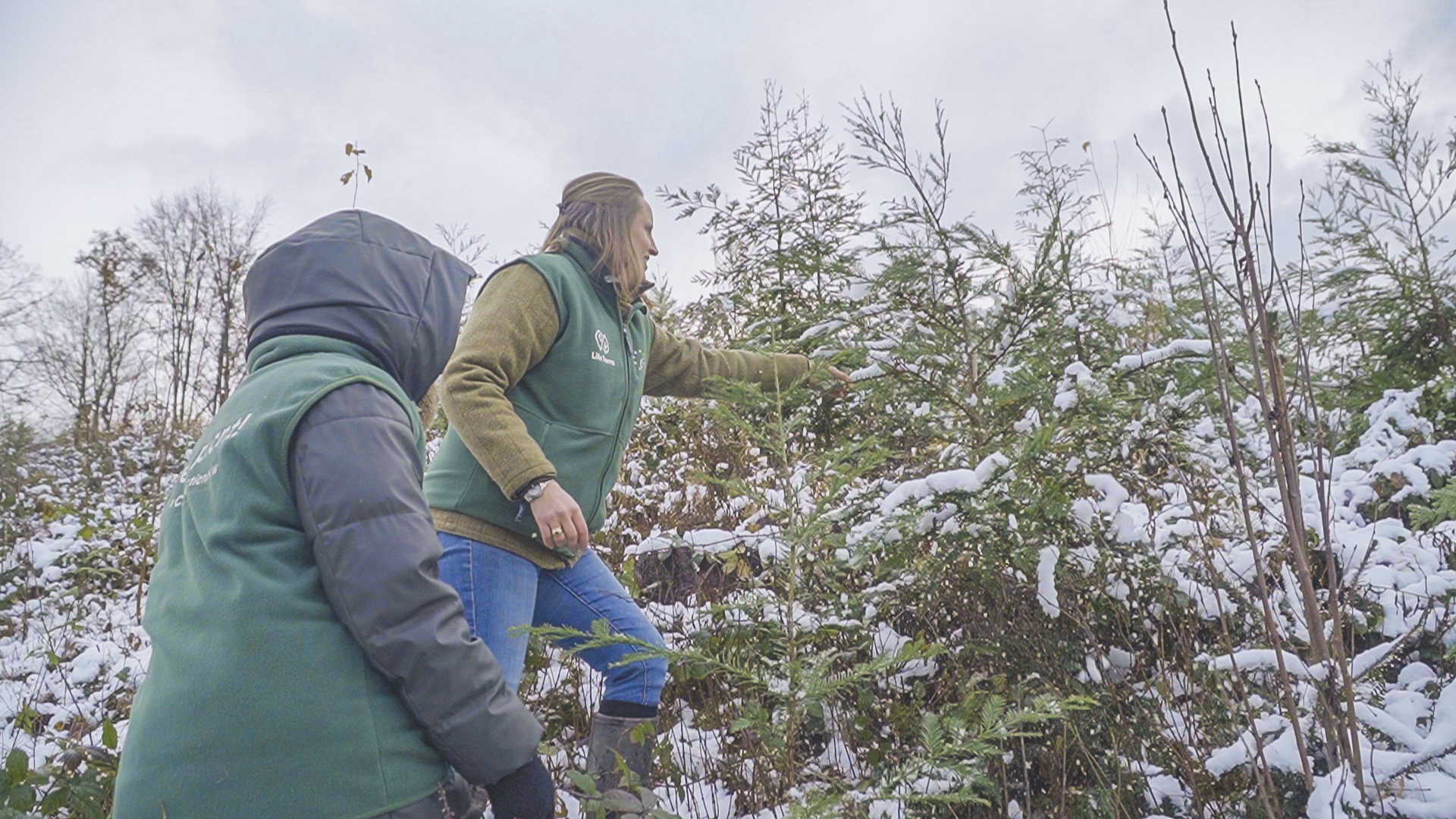
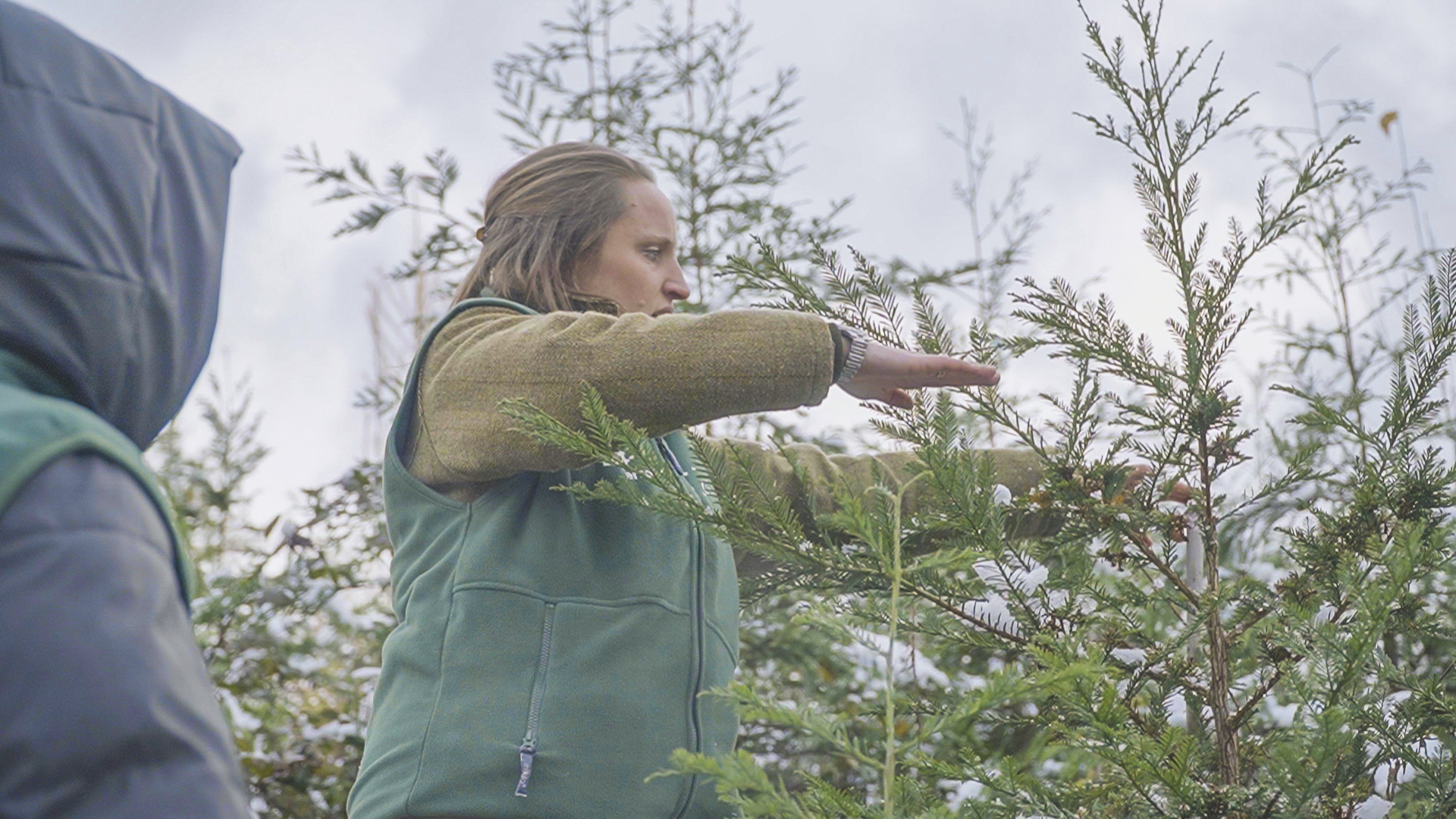
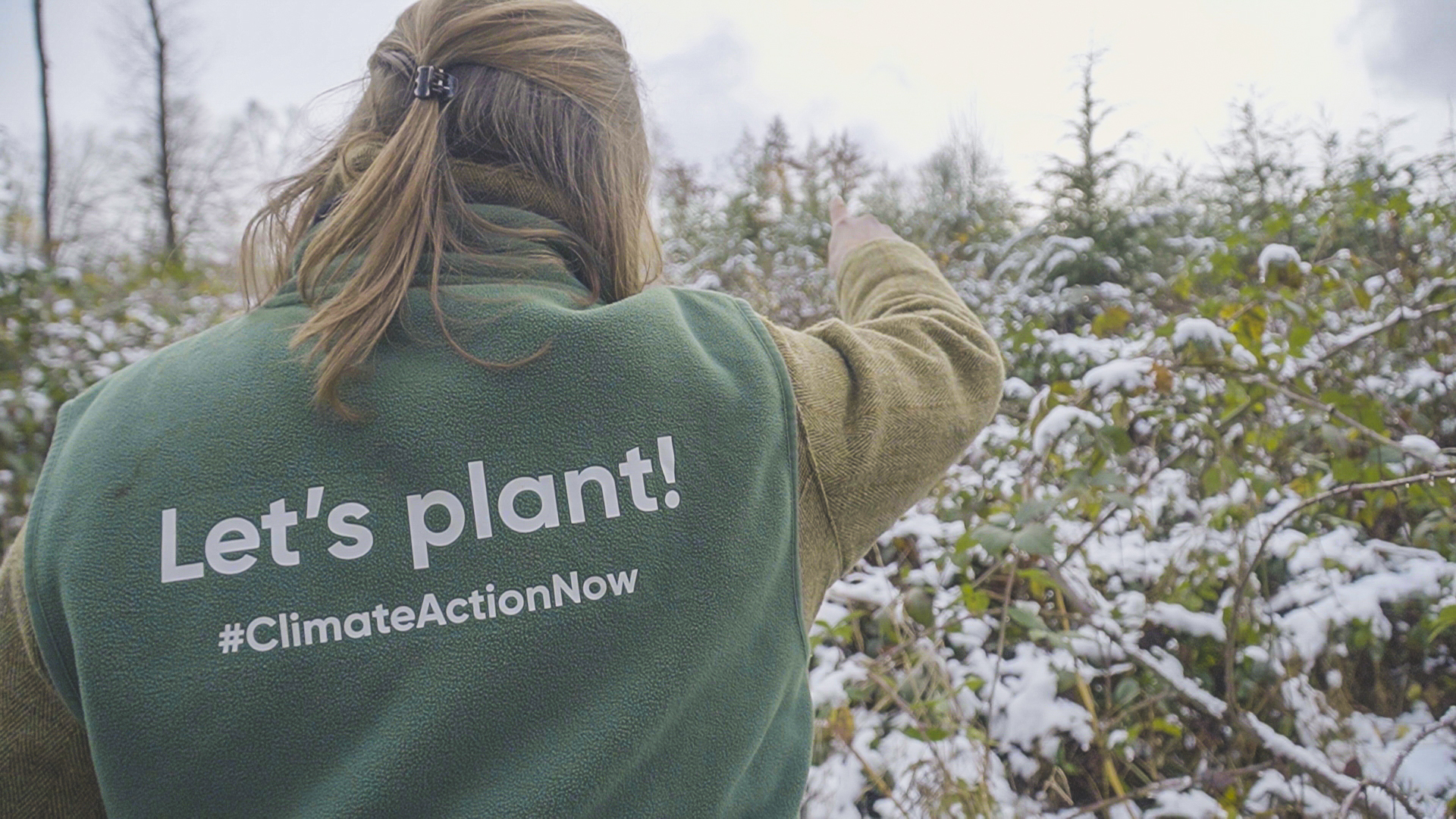
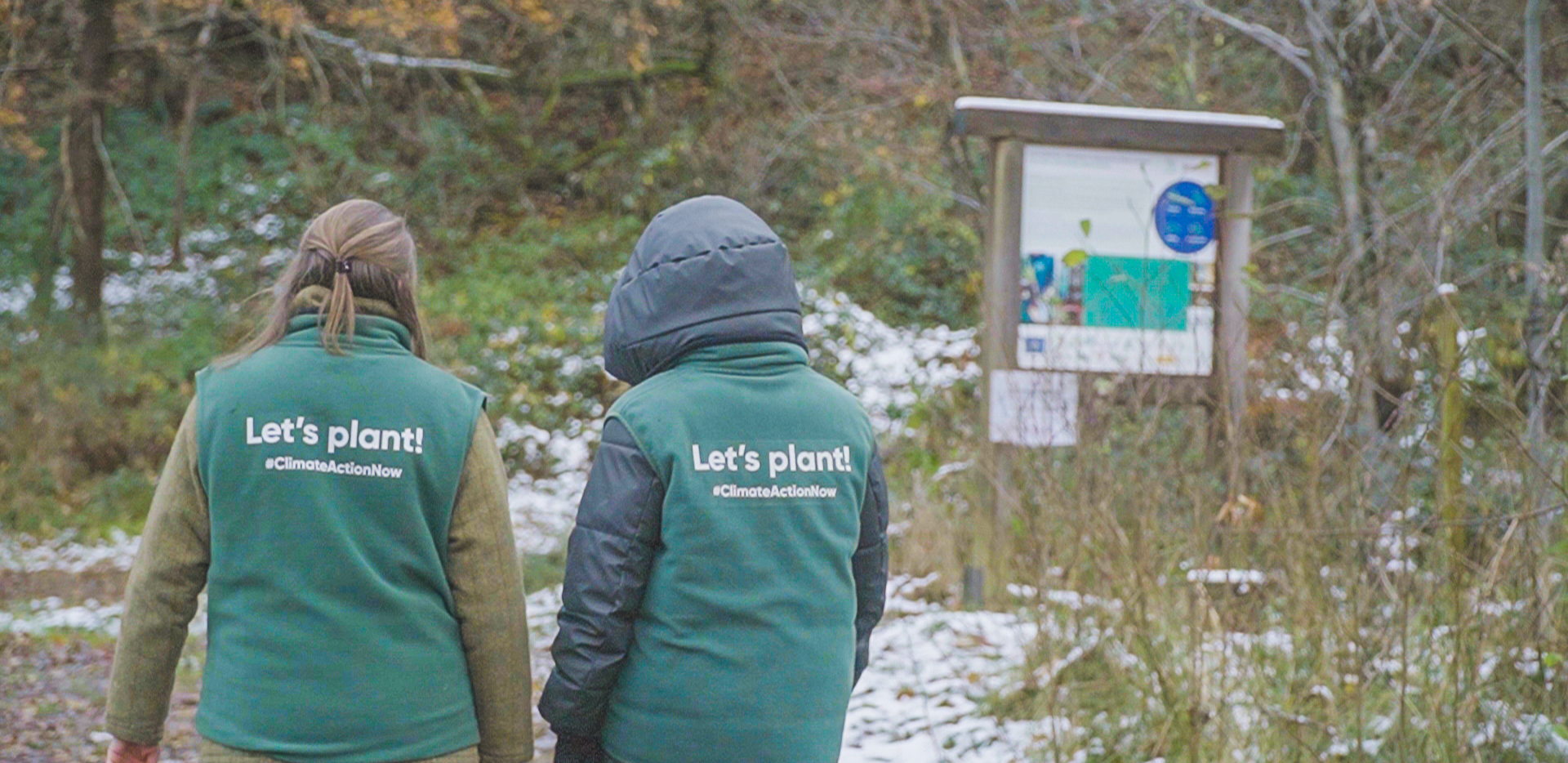
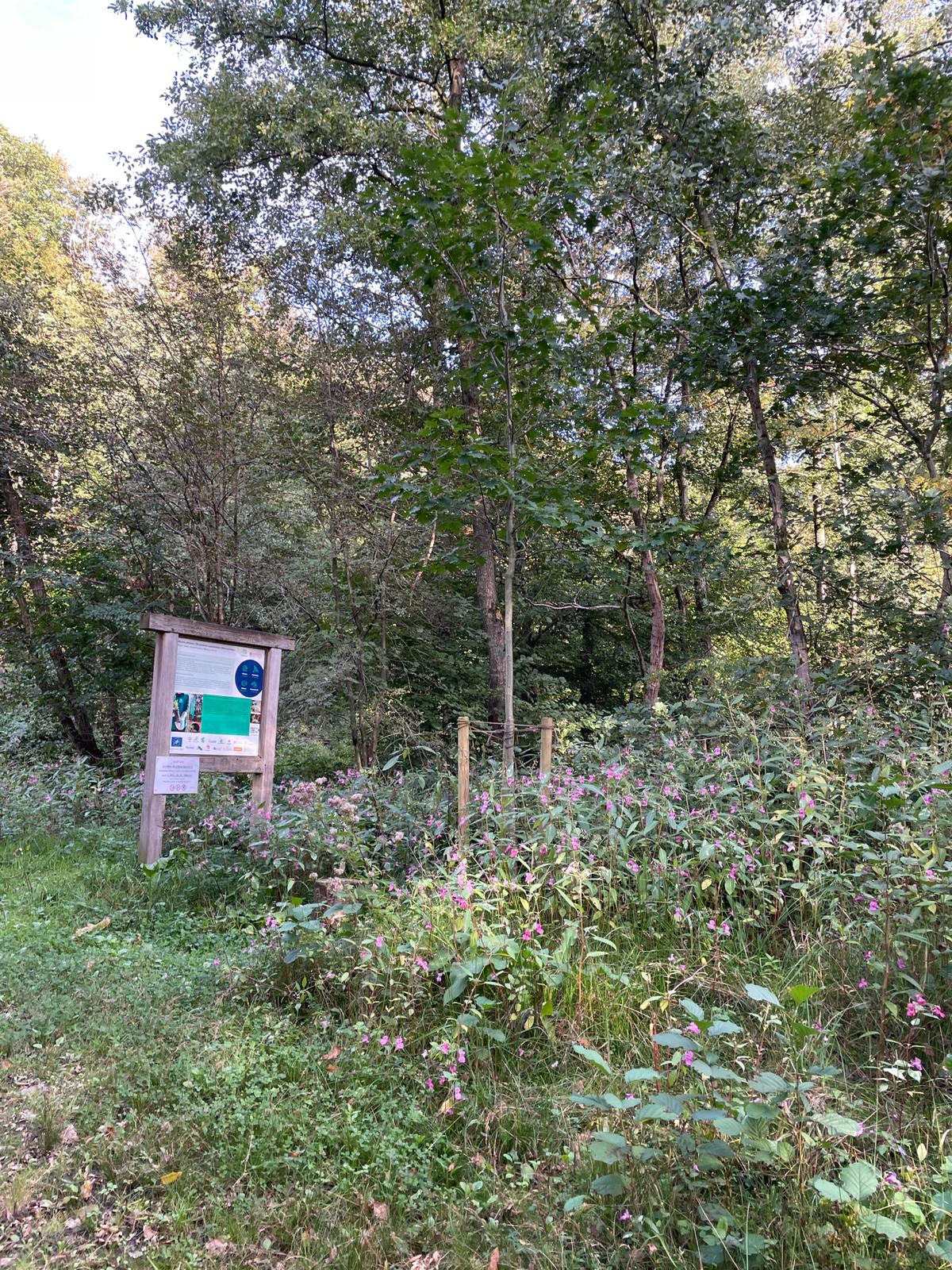
Since the inauguration of the first Klimawald in Germany in 2021, the site has been visited regularly. Most recently, the Life Terra team carried out another planting event not far from the Klimawald, and despite snowy conditions, they took the opportunity to check on the forest’s progress. It was encouraging to see how tall some of the trees already stand, with conifers in particular protruding through the snow cover. Local foresters and the landowner are equally pleased with the good development observed so far.
Monitoring will continue throughout the seasons, combining on-site visits with drone surveys in collaboration with Land Life Company to track survival and growth rates for long-term forest management.